‘Seals and Gaskets Have Dried Out and Would Crumble’: Why Bringing Back a Mach 3 SR-71 Blackbird Into the Sky Might Takes Years and a Lot of Cash


Why Is NASA Restoring An SR-71 Blackbird? As reported in Aviation Week, NASA has reached out to several former engineers who worked on the famed spy plane, the SR-71 Blackbird.
It seems that if one puts the data points together and looks at some of the reporting, NASA apparently wants to get at least one of the sleek SR-71 Blackbirds back in the sky.
SR-71 Blackbird with NASA
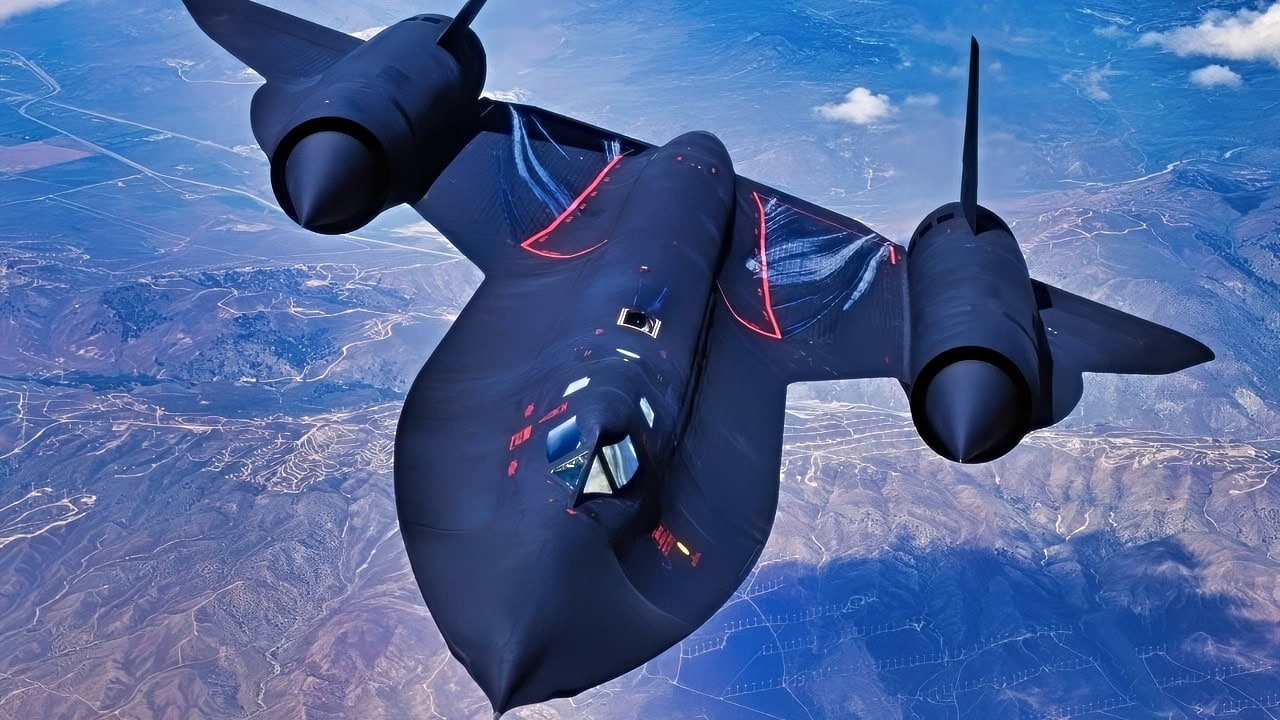
SR-71 Mach 3. Image Credit: Creative Commons.
This disclosure follows a recent announcement by NASA administrator Jared Isaacman: “It will not be long before NASA once again is flying as high and as fast as we had in decades past… and then even more.”
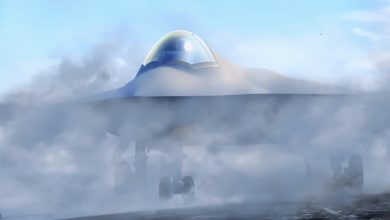
Behind him, on a large screen, an image of a mysterious black aircraft similar to the SR-71 was displayed.
This fueled speculation that an announcement of the “Son of Blackbird,” the SR-72, was imminent.
When the moderator remarked that the pictured aircraft looked like the SR-71, Isaacman responded, “Are you sure about that?”
In May, several months before Isaacman made these remarks, NASA had unceremoniously removed an SR-71A from an outdoor public display area at the Neil Armstrong Flight Research Center on Edwards AFB, California.
This was tail number 844, the last Blackbird off the production line and the last to fly in 1999.
Blackbird 844 was one of two SR-71s the Air Force loaned to NASA to conduct high-speed, high-altitude research in the 1990s.
The second Blackbird was an SR-71B model with dual cockpits used to train pilots.
A consensus of online speculation is forming that NASA intends to put the Blackhawk 844 back in the sky.
This would be a major task that would likely take years to pull off.
Getting an SR-71 Flying Again: A Feat Worthy of Hercules
First and foremost would be the restoration of an airframe that has not flown since 1999 and has been outdoors, exposed to the elements for almost as long.
The elements and gnawing rodents have probably eaten the wiring.
Seals and gaskets have dried out and would crumble.
The analog-era instrumentation would all have to be replaced or upgraded to flat screens and brought into the digital age.
Parts will be hard to find.
After the SR-71 program ended, the US government destroyed some $600 million in Blackbird parts.
Some could be scavenged from other SR-71s on display in the US and the UK, but those parts are as old as the plane they are restoring.
Ancient Engines
There is also the question of where they will get the engines.
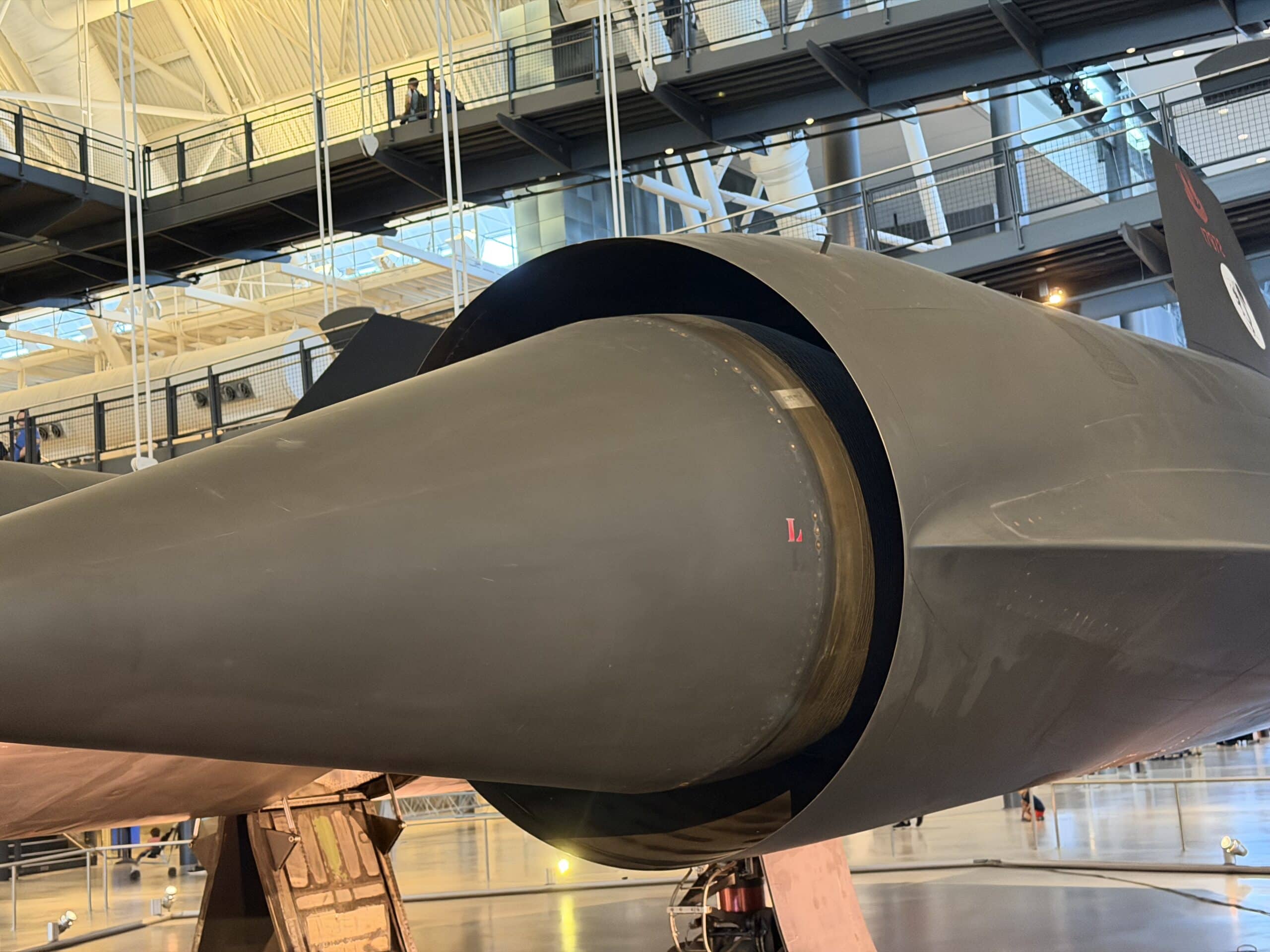
SR-71 Blackbird. Image taken at the Smithsonian on 6/30/2026 by 19FortyFive
A flying Blackbird would have at least one Pratt & Whitney J58, a nine-stage, axial-flow, bypass turbojet in its hangar, and it was looked after like a fine Swiss watch, routinely turned and tested to make sure it was flight-ready if needed.
It is unknown whether any of these engines have been preserved in storage.
The SR-71 Blackbird that NASA seems to want to restore would need at least four: two for the aircraft, one spare, and one for training maintenance personnel.
Massive Maintenance Bills For Every Flight Hour
The SR-71 was a maintenance-intensive aircraft.
Putting a Blackbird in the sky for just one hour required 300 hours of maintenance on the ground.
While the post-flight inspection on a KC-135 tanker aircraft had seven items, the same post-flight inspection regime on the SR-71 had some 650 items to check off.
After every 100 hours in the air, the Blackbird required an inspection that took 11 days to complete.
Training New Personnel From The Ground Up
This effort would be made easier by the fact that the government has preserved the flight and operations manuals for the Blackbird, but NASA would still have to train personnel on how to maintain the aircraft — not on a Blackbird used specifically for training ground personnel, but on the one they intend to go flying with.
There can’t be any mistakes.
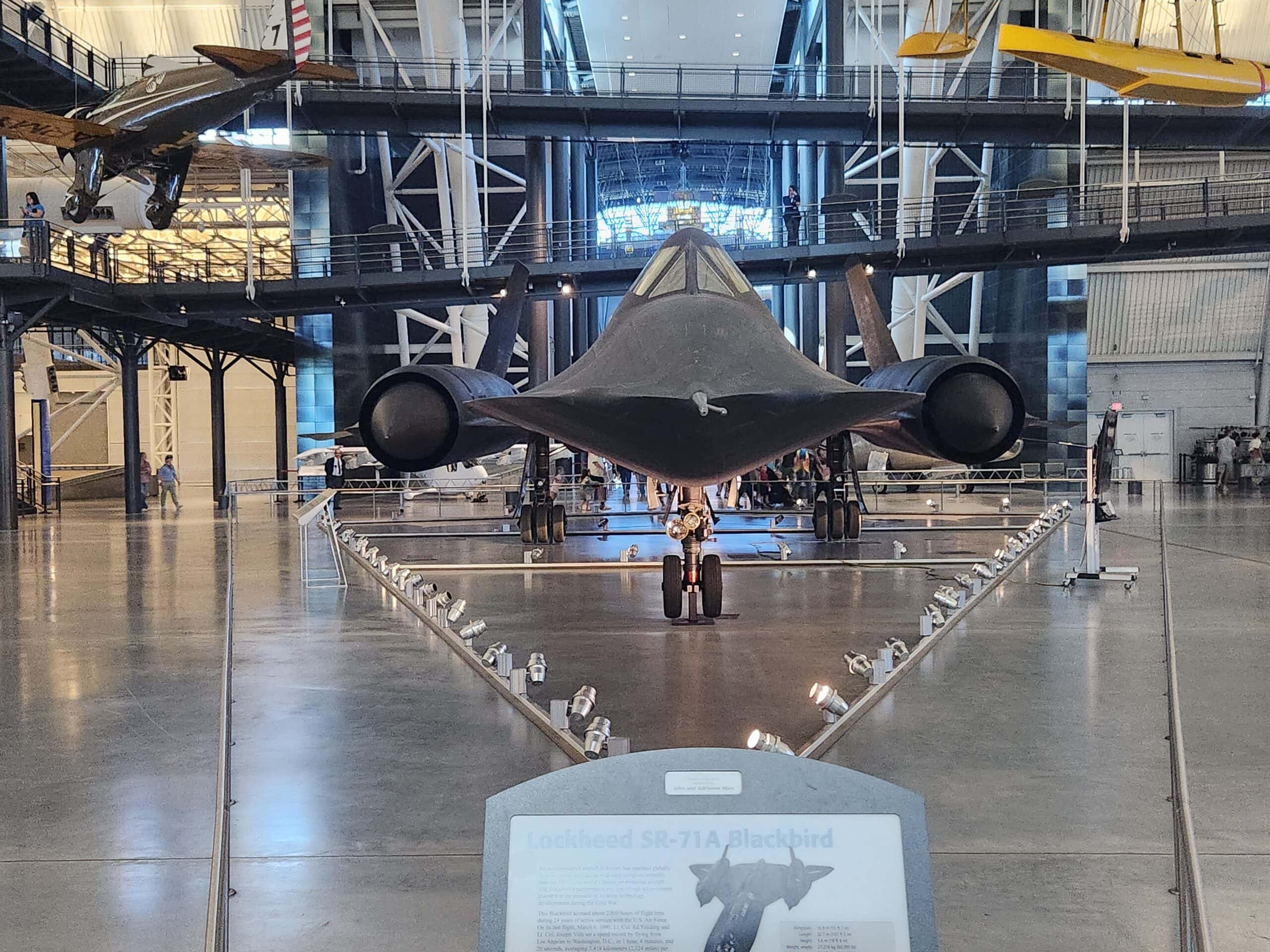
SR-71 Blackbird. 19FortyFive.com original image.
The SR-71 Requires Special Fuel and In-Flight Tankers
The SR-71 flew on JP-7 fuel and consumed vast quantities of the stuff.
At Mach 3, the Blackbird would burn through all its fuel in about one hour.
This special fuel and the SR-71’s thirst required the Air Force to build specialized tankers, the KC-135Q, to refuel them in flight. On Blackbird missions, several tankers would be staged along the way to feed it.
To return a single Blackbird to flight would require at least two new specialized in-flight refueling tankers to keep it up there.
All that amounts to a lot of time and money to put a single fast, high-flying aircraft back in the sky when NASA already has an aircraft doing that, the X-59 Quest.
What Would A Restored Blackbird From 1999 Be Useful For?
So, what might the future hold for NASA’s fully restored SR-71 Blackbird?
Since NASA is not restoring the SR-71B model with two cockpits to train pilots, there is reason to believe it may not ever fly again. I’m not ruling out the possibility that advanced flight simulators could replace a two-cockpit version for training new pilots, but it seems unlikely.
Perhaps NASA intends to use it merely as a display piece alongside the unveiling of a new SR-72 “Son of Blackbird” at some point in the future.
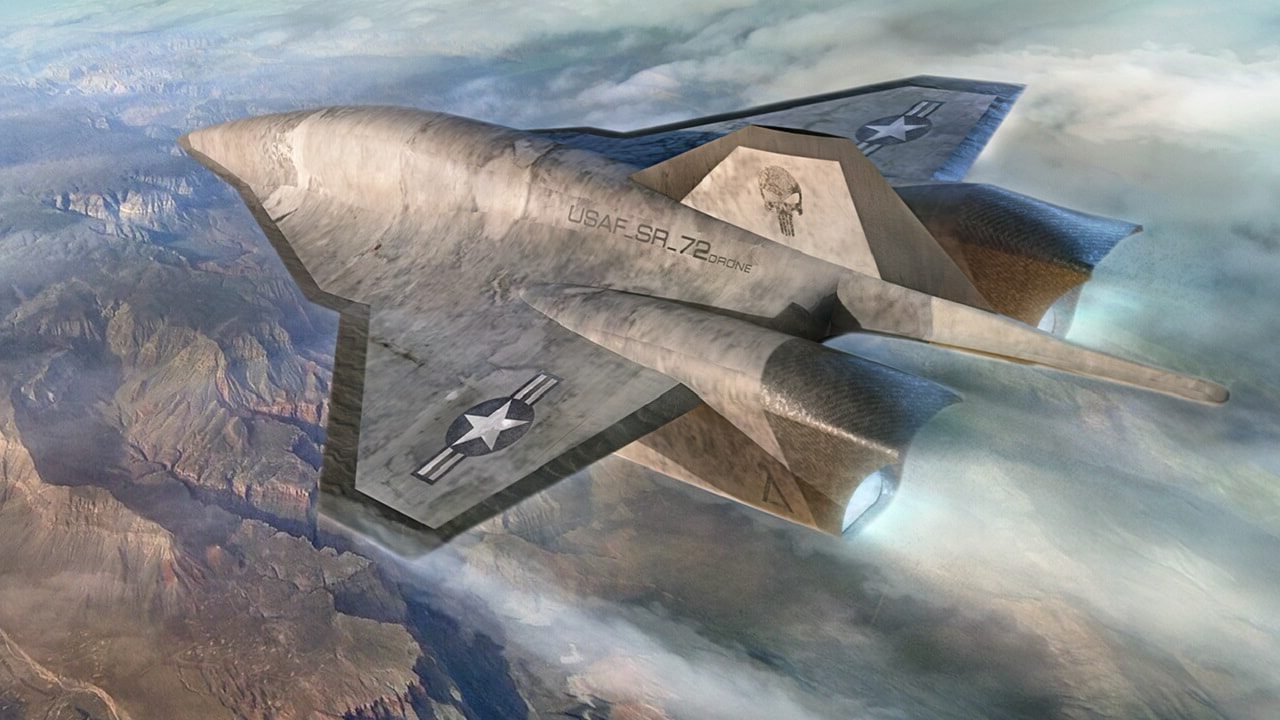
SR-72 Artist Rendering. Image Credit: Creative Commons.
Assuming they could train pilots to fly it in simulators, NASA might also remove the finicky, ancient J-58 engines and refit the Blackbird with new engines for further testing of its Quiet Supersonic research, which the X-59 is engaged in.
Equipped with these new quiet engines, a Mach 3 Blackbird could stand in as a reusable hypersonic missile to test air-search and fire-control radars for the military.
About the Author: Sean Spoonts
Sean Spoonts is the former Editor-In-Chief of SOFREP.com. He is a military analyst, writer, and commentator whose work has appeared in Newsweek, CNS News, Ukrinform, and various military/veteran media networks and professional publications, including the Military Intelligence Professional Bulletin. He is a U.S. Navy veteran, having served as an Aviation Anti-Submarine Warfare Operator and Search and Rescue Helicopter Aircrewman