Ex-Governor Warns Service Members of Strict Deadlines for Absentee Voting Ahead of Midterm Elections

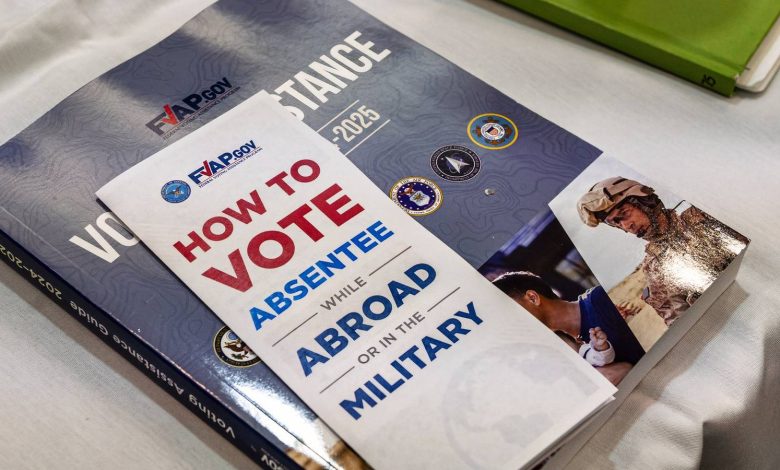
Midterm elections are fast approaching. A former governor told Military.com that active-duty military personnel who plan to vote should be privy to their rights and engage in their civic duty.
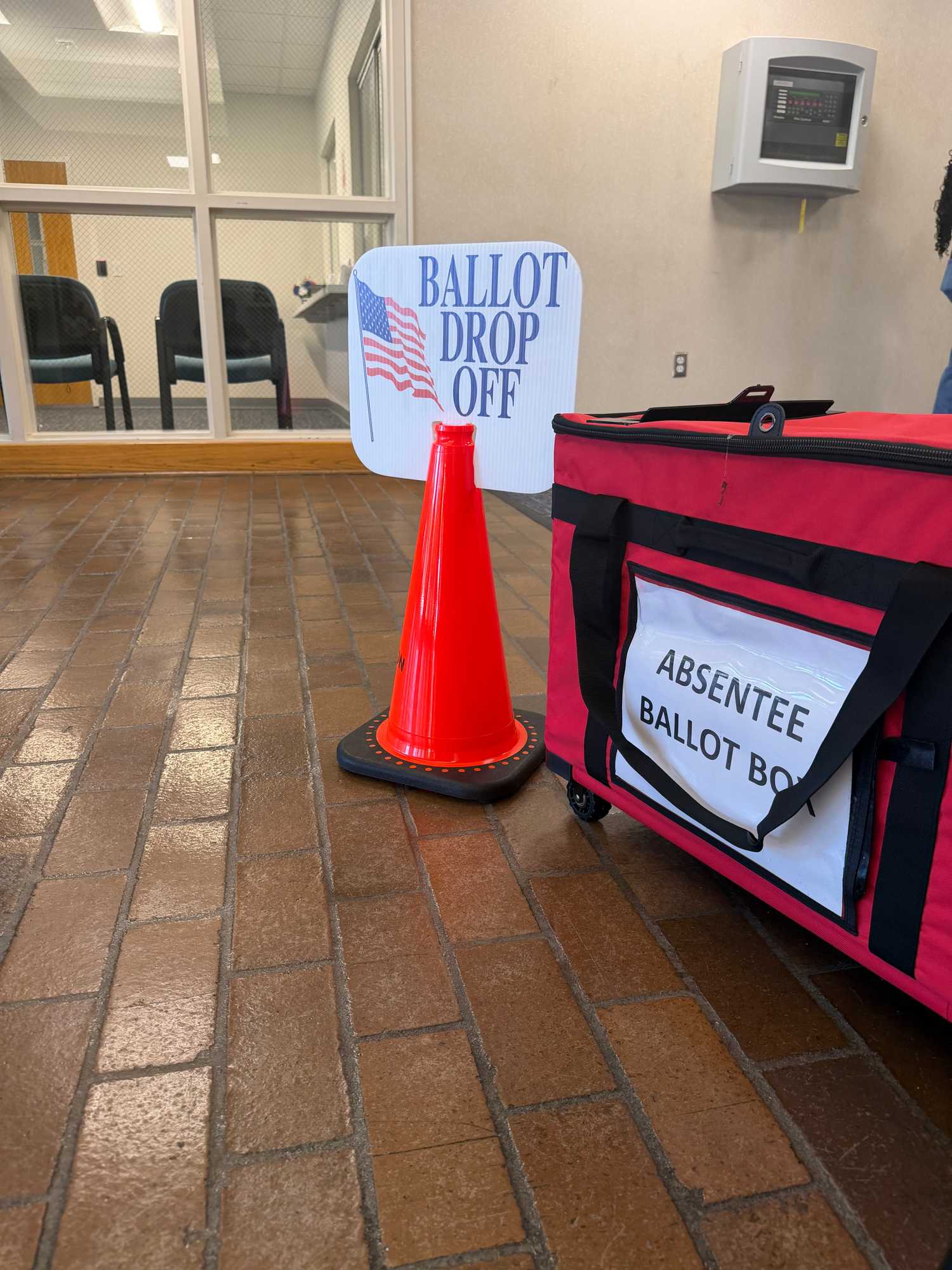
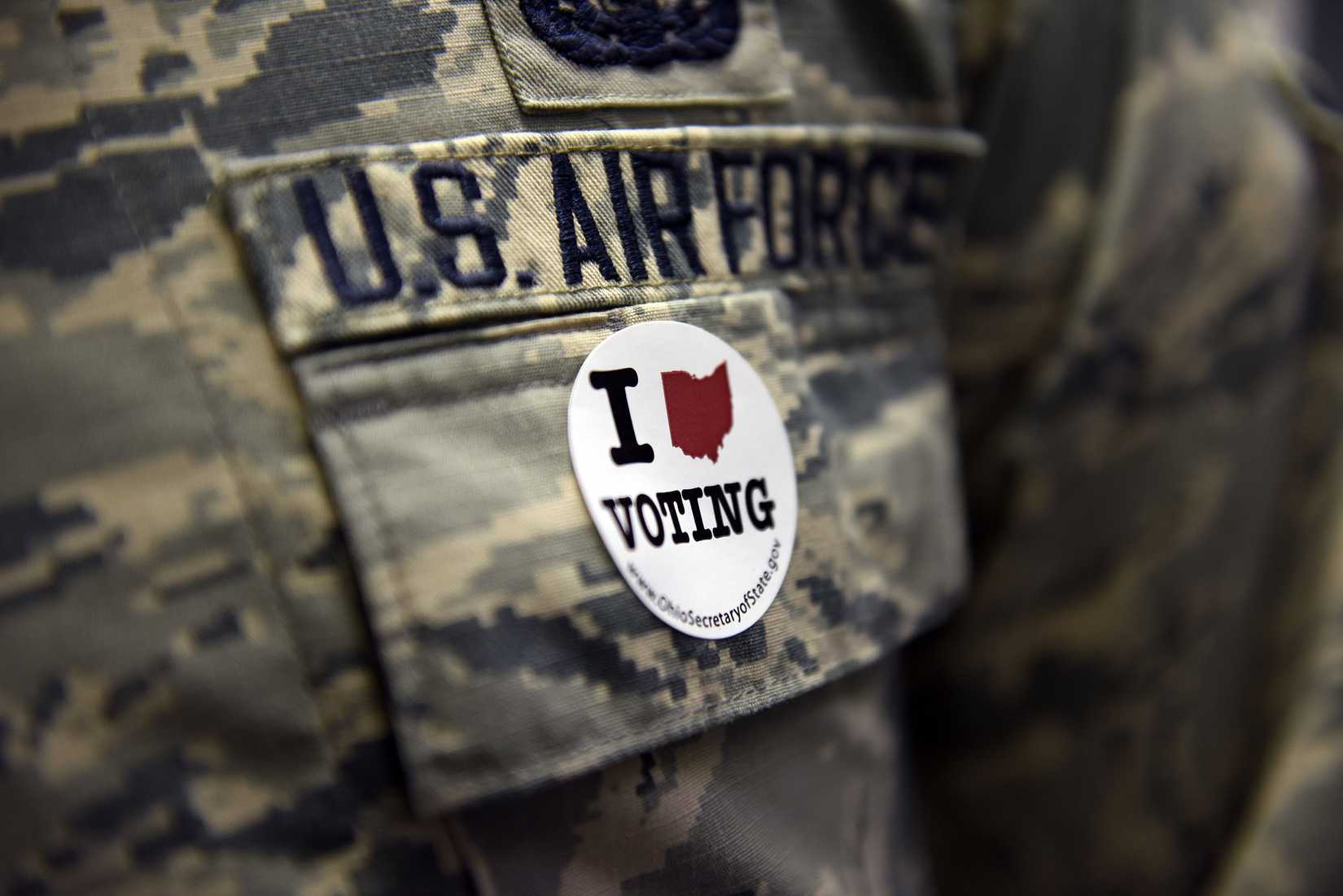
Hundreds of thousands of American military members worldwide are under pressure to make sure they are registered to vote for the elections taking place Nov. 3, notably requesting and receiving an absentee ballot so they can be returned in time for tabulation.
Former Pennsylvania Gov. Tom Corbett, a Republican and U.S. Army veteran, told Military.com he is reminding all active-duty service members of their rights and protections in the voting process under the Uniformed and Overseas Citizens Absentee Voting Act (UOCAVA).
“There are challenges, to say the least, but they can’t vote if they’re not registered,” Corbett said. “Another issue you have to take a look at is once somebody’s enlisted, the military has a tendency to move you around.
“And if you’re out of the country, if you’re outside your home state or wherever you’re registered to vote, it can sometimes be difficult.”
UOCAVA is a U.S. federal law that allows military members, their families and overseas citizens to register and vote absentee in all federal elections.
Enacted by Congress in 1986, the law ensures equal voting opportunities, including absentee ballots, emergency backup ballots and electronic ballot options to vote in some states. The law also requires states to facilitate timely ballot delivery and acceptance.
Miltary.com reports on past election cycles have found that absentee voting among overseas service members was down.
“The issue right now is time,” Corbett said. “First, are you registered to vote, and have you asked for a ballot to be able to vote? Return is also just as important, because in some states the return has to be by the time the voting offices and precincts close on Election Day.
“They can’t come in after that. So, if you send it in on the day before the election, unless you’ve got some way of having FedEx or some other service deliver it, it may not count.”
Corbett is on the national board of Keep Our Republic, a nonpartisan civic education organization that promotes trust in elections, the rule of law, and constitutional checks and balances.
Corbett is also a former U.S. Army veteran, who served as a member of the Pennsylvania National Guard 28th Infantry Division from 1971 until 1984, rising from private to captain.
He said his military background, in addition to being governor of Pennsylvania, helps him keep military service issues top of mind.
“Once I became governor, I joined all the governors of the 50 states who are recognized as the Commander In Chief of the National Guard in peacetime,” Corbett said. “It was one of my proudest moments to be able to go everywhere with the National Guard, and be part of them.
“The National Guard and military issues are a very high priority for me. And getting service members to vote is a high priority also.”
UOCAVA Voting Eligibility Rules
Voting eligibility under UOCAVA includes the following:
- Members of the uniformed services (Army, Navy, Marine Corps, Air Force, Coast Guard, United States Public Health Service Commissioned Corps, and National Oceanic and Atmospheric Administration [NOAA] Commissioned Officer Corps).
- Members of the U.S. Merchant Marines.
- Eligible family members of the above.
- U.S. Citizens residing outside the United States.
Among its key provisions, UOCAVA provides the “Federal Post Card Application” that qualified service members and overseas citizens can use to register to vote and request an absentee ballot simultaneously.
The law also allows for the use of a back-up ballot for federal offices, called the “Federal Write-In Absentee Ballot.” This ballot may be cast by voters who have submitted a timely application but have not received their regular ballot from their state or territory.
In 2009, under the National Defense Authorization Act for Fiscal Year 2010, titled the Military and Overseas Voter Empowerment Act (MOVE Act), new voter registration and absentee ballot procedures were established under UOCAVA to further codify the rights and protections of absentee voters.

Grier Martin, a former U.S. Army officer who served 17 years as a Democratic lawmaker in the North Carolina House of Representatives, is also a leader at “Keep Our Republic.”
He told Military.com that one of the biggest challenges for absentee voting service members is the juggling act between serving the country, tending to their family responsibilities, and carrying out their civic duty.
He said if they’re not extra diligent, deadlines to vote can get overlooked.
“I wouldn’t assume that service members overseas are choosing to skip voting,” Martin said. “Deployed service members can have very little downtime. They are focused on demanding, sometimes dangerous work.
“Voting also requires them to navigate a process from far away, often with uncertain mail delivery times. We should make that process as clear and accessible as possible.”
Trump’s Effort to Federalize Elections
President Donald Trump, since the beginning of his second term, has called for federalizing the national voting process.
In March 2025, he issued an executive order that would have mandated extensive changes to voter registration standards, the timing of voting, and other issues to create a uniform standard of voting nationwide.
However, the executive order was immediately challenged in court and remains held up in litigation.
“What the president, I think, was trying to say is that we ought to federalize our elections. I don’t necessarily agree or disagree with that,” Corbett said. “We have 50 different states that have been doing it different ways for over 200 years.
“I don’t think there’s a willingness to just go with one overarching way of voting. Will we see that someday in the future? Possibly, but you’re not going to see it in this election.”
For now, Corbett said he’s focused on educating service members overseas about their right to vote by absentee if they’re registered, and to meet any and all deadlines so that their vote will count.
“Elections have come down to just a few votes,” he added. “I mean, I know some elections that have come down to five votes,” Corbett said. “Everybody thinks, ‘My vote doesn’t matter.’ Well, your vote does matter, and when you don’t vote, that also matters.
“I would always tell people, ‘If you didn’t vote, then I don’t have to listen to you because that’s where you voice your opinion, one way or the other.’ So, just get out there and vote.”