Coast Guard Returns Fire on US-Mexico Border as Hundreds of Troops Pour Into Rio Grande Valley

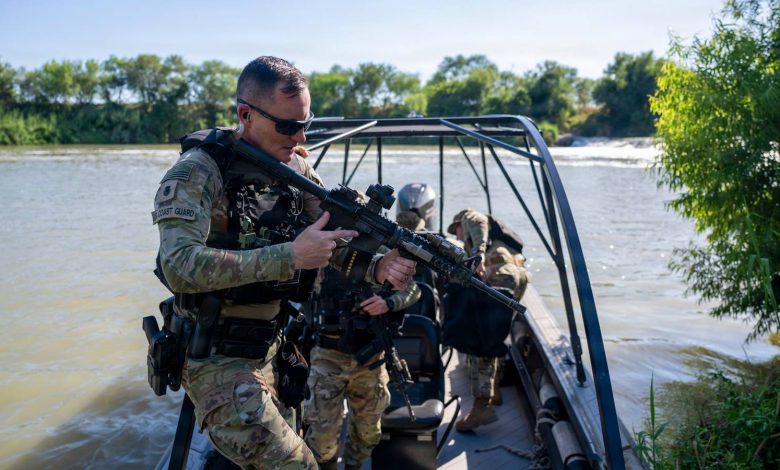
Coast Guard personnel returned fire after taking gunfire from the Mexican side of the Rio Grande during a joint border operation in Texas, an exchange that U.S. military officials have cited as impetus for moving hundreds of additional troops into the Rio Grande Valley.
On Sept. 26, personnel from Coast Guard Forces Rio Grande were intercepting migrants crossing the river alongside other federal agencies when they received gunfire from across the U.S.-Mexico border and returned it, according to the service.
No injuries to Coast Guard or other personnel were reported, and no Coast Guard equipment was damaged. Officials confirmed the incident Friday, as reported by Stars and Stripes.
Military.com reached out to the Coast Guard and the office of Texas Gov. Greg Abbott, whose Texas Military Division works with federal forces on the border, for more information about the incident and the response.
A spokesperson for Abbott declined to offer further, referring Military.com to Abbott’s remarks made last Friday.
It remains unclear who fired at the Coast Guard. The service said it was investigating alongside federal partners, and it did not identify the shooters.
Asked where the violence was related to cartels, Texas Gov. Greg Abbott said Friday he would not confirm it, telling reporters, “That is what I’ve heard,” according to The Texan.
Hector Garza, a vice president of the National Border Patrol Council, said, “I think we can confirm that it is a cartel,” while also telling The Texan the investigation was ongoing.
No suspects have been publicly identified. The Coast Guard’s investigation continues.
Troops Dropped Onto Rio Grande Islands by Chinook
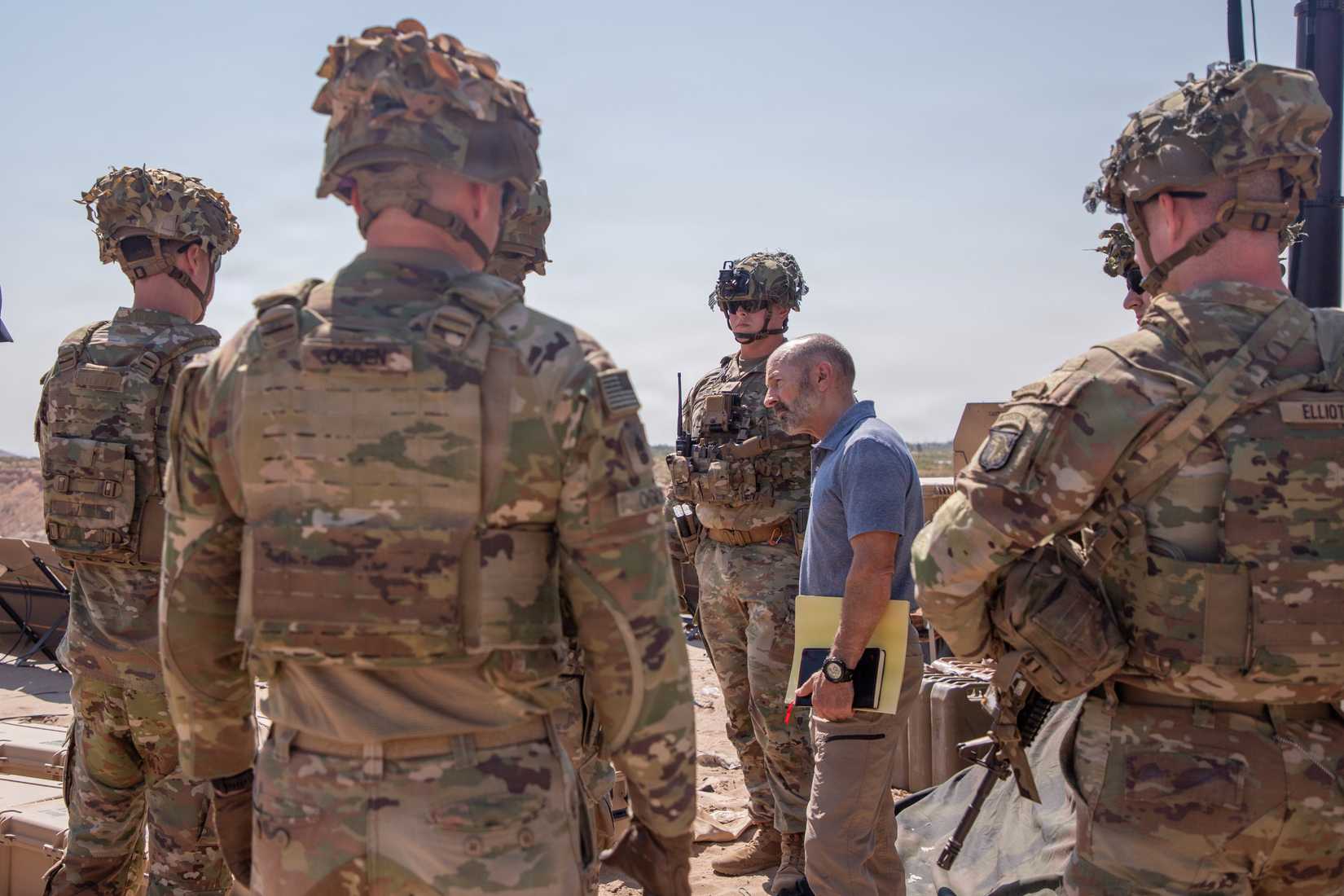
In the days after the shooting, the U.S. military said it was repositioning hundreds of troops and equipment to the Rio Grande Valley.
A U.S. Northern Command spokesperson described the move to The Texan as part of an effort to “rapidly reinforce U.S. forces and federal partners” in the area, as part of an operation called Ardent Vanguard.
Joint Task Force-Southern Border framed it as planned preparation for a seasonal increase in attempted illegal activity and pointed to the Sept. 26 encounter as an example.
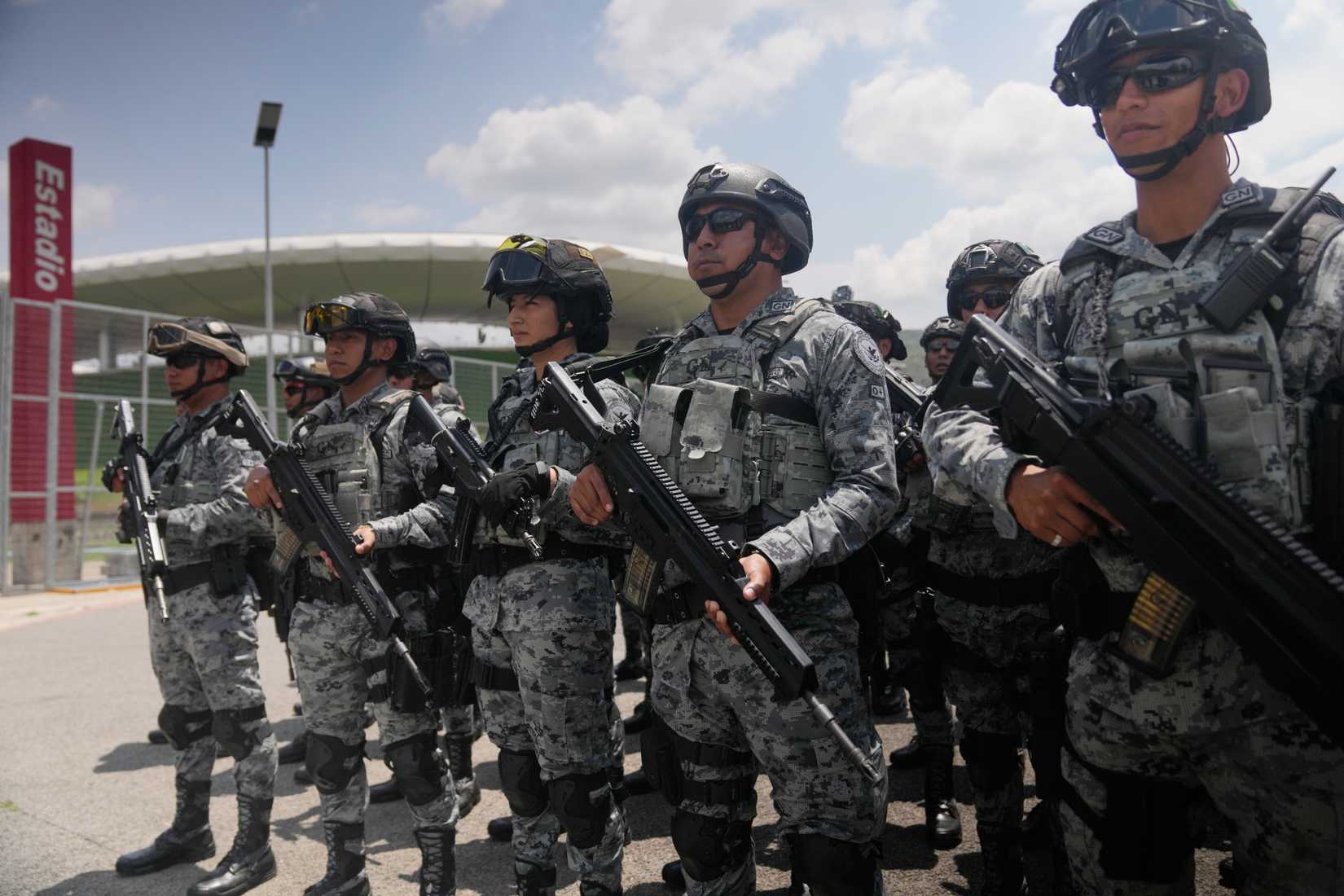
National Guard deploy outside the stadium that will host FIFA World Cup matches in Guadalajara, Mexico, Tuesday, June 9, 2026. (AP Photo/Matias Delacroix)
NewsNation, citing sources, reported that about 500 service members were being moved, with some dropped onto islands in the Rio Grande by Chinook helicopters.
Officials have not confirmed a number publicly or said how long the deployment will last.
Mexico Sends 500 Troops of Its Own
The response has not been limited to the U.S. side. Mexico deployed about 500 Army and National Guard personnel to its side of the border.
The U.S. Embassy in Mexico said it was helping coordinate with them.
“The embassy is helping to coordinate with Mexican forces that are being deployed in the border area where shots were fired against elements of the United States Coast Guard,” U.S. Ambassador to Mexico Ronald Johnson said in an X post.
That coordination points to a response carried out with the Mexican government rather than against it, even as the question of who fired on U.S. personnel from Mexican territory remains unresolved.
A Year of Expanding Patrols
The shooting came amid a year-long expansion of the Coast Guard’s presence on the border.
Since 2025, the service has run Operation River Wall, which added boats and personnel along about 260 miles of the Rio Grande in the Rio Grande Valley.
This new push, which officials have called Operation Unified Resolve, is meant to increase patrol capacity and monitoring in the area in coordination with U.S. Customs and Border Protection (CBP) and the Department of Homeland Security.
In its statement, the Coast Guard said it works with Border Patrol, the Defense Department and the Texas Military Division to secure the border and disrupt illegal activity, adding that it takes threats to its members “extremely seriously.”
The stretch near Garceño, with its shallow river access and proximity to the Mexican state of Tamaulipas, has long been difficult for authorities to control.
The troop movement is underway, though officials have not said how long the heightened presence will last.