US Navy 100,000-Ton Nimitz-Class and Ford-Class Nuclear Aircraft Carriers Have 1 Clear Weakness That Can’t Ever Be Fixed

The nuclear-powered aircraft carrier has one remarkable advantage: it can operate for decades without regularly refueling its propulsion plant.
Indeed, modern US carriers are designed to last roughly half the ship’s service life before they need to refuel the reactor.
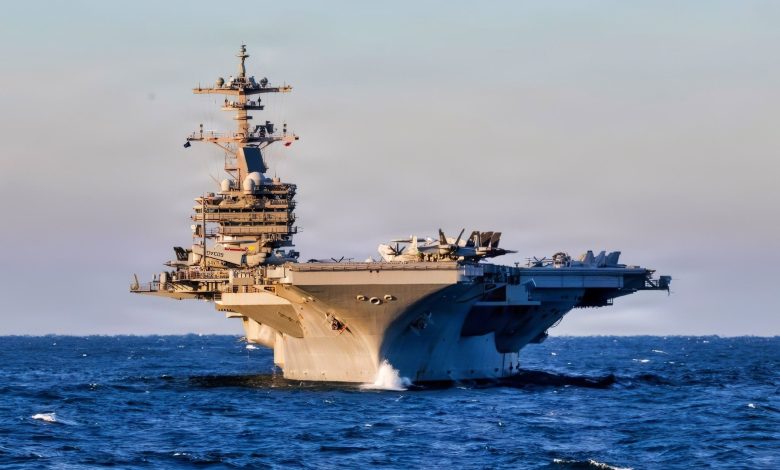
The USS George H.W. Bush Carrier Strike Group sails in formation during a strait transit exercise in the Atlantic Ocean, Feb. 8, 2026. The George H.W. Bush Carrier Strike Group is at sea as an integrated warfighting team. Composite Training Unit Exercise (COMPTUEX) is the Joint Force’s most complex integrated training event and prepares naval task forces for sustained high-end Joint and combined combat. Integrated naval training provides combatant commanders and America’s civilian leaders highly capable forces that deter adversaries, underpin American security and economic prosperity, and reassure Allies and partners. (U.S. Navy photo by Mass Communication Specialist 3rd Class John R. Farren)
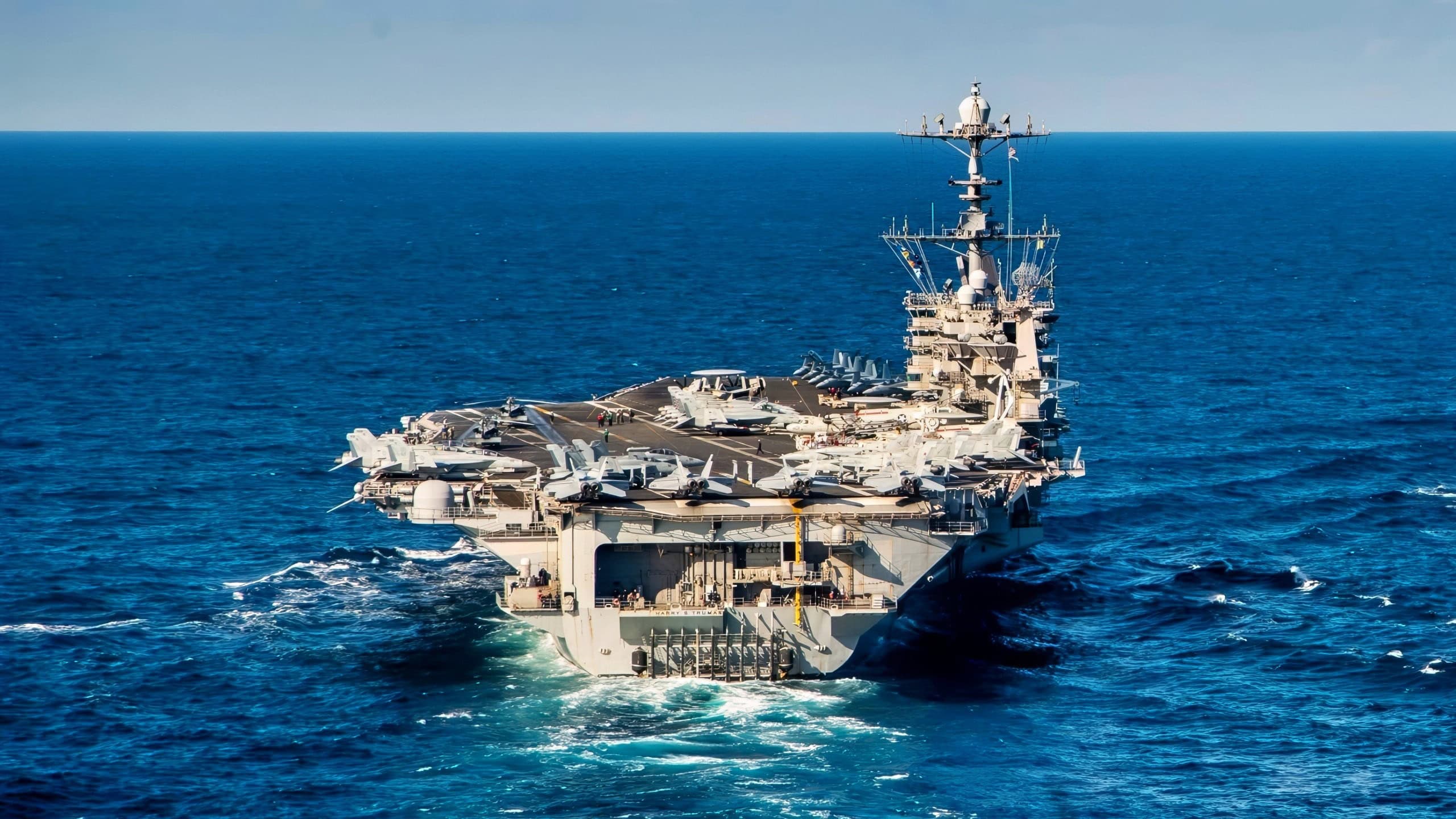
MEDITERRANEAN SEA (Jan. 22, 2021 The Arleigh Burke-class guided-missile destroyer USS Gravely (DDG 107) breaks away from the Nimitz-class aircraft carrier USS Harry S. Truman (CVN 75) following a replenishment-at-sea exercise, Jan. 22, 2022. The Harry S. Truman Carrier Strike Group is on a scheduled deployment in the U.S. Sixth Fleet area of operations in support of naval operations to maintain maritime stability and security, and defend U.S., allied and partner interests in Europe and Africa. (U.S. Navy photo by Mass Communication Specialist 3rd Class Bela Chambers)
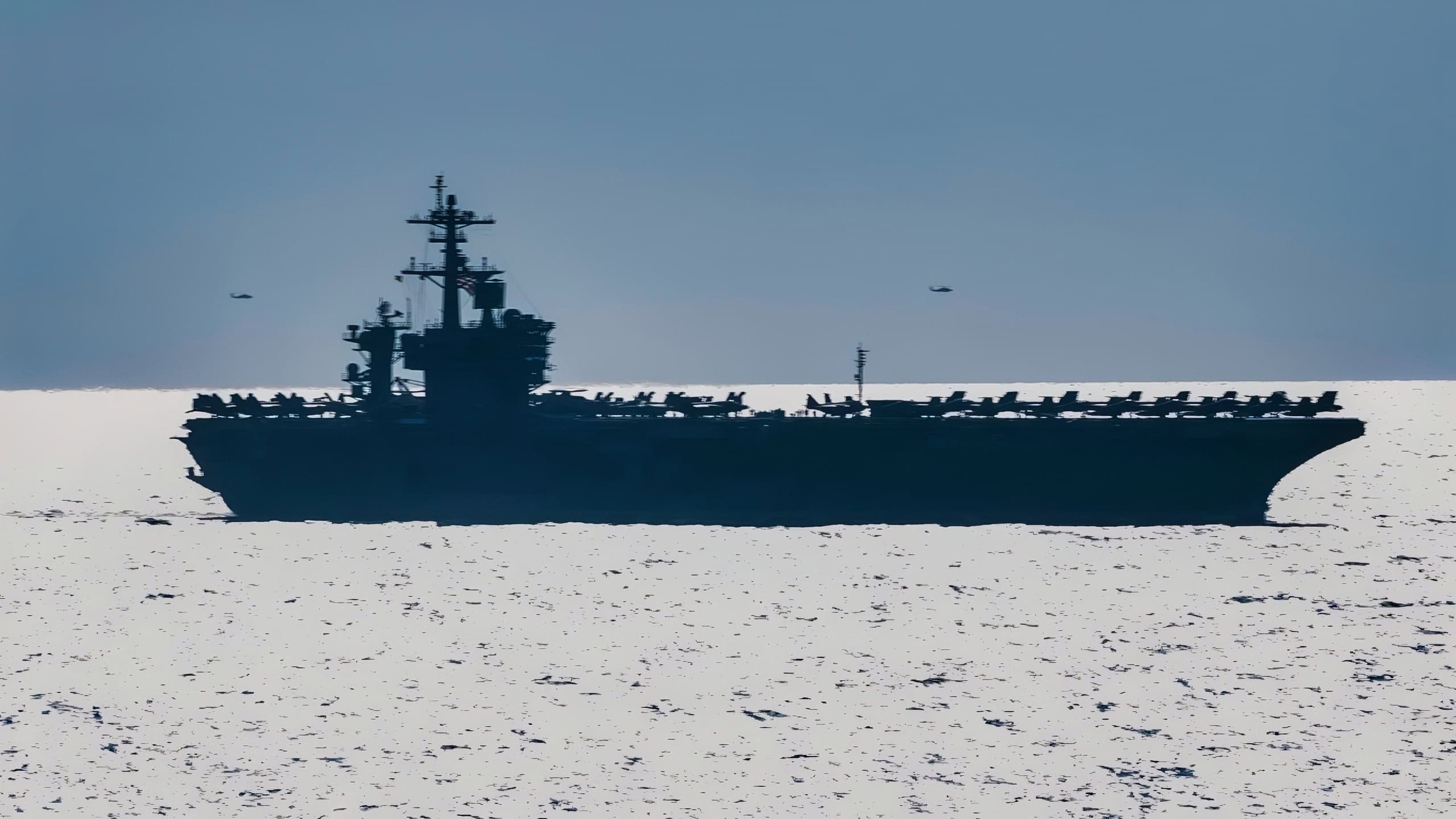
ATLANTIC OCEAN (Aug. 30, 2018) An MH-60S Sea Hawk helicopter assigned to Carrier Air Wing (CVW) 7 flies by the Nimitz-class aircraft carrier USS Abraham Lincoln (CVN 72) during dual-carrier sustainment operations with the Nimitz-class aircraft carrier USS Harry S. Truman (CVN 75). In addition to demonstrating the Navy’s inherent flexibility and scalability, this evolution provides the opportunity to conduct complex, multi-unit training to enhance maritime interoperability and combat readiness; prepare the Navy to protect our homeland; and preserve and promote peace anywhere around the world. (U.S. Navy photo by Mass Communication Specialist 3rd Class Juan Sotolongo/Released)
But eventually the bill comes due, and the reactor must be refueled. That’s one clear weakness that can’t be fixed.
For Nimitz-class carriers, a midlife Refueling and Complex Overhaul (RCOH) can take the ship out of the operational fleet for up to four years—and sometimes longer if delays occur.
That’s significant: one of the world’s most expensive and powerful warships unavailable for several years.
In part, this is because the Navy must access and refuel reactors buried deep inside the ship.
But this impractical arrangement raises an obvious question: would a conventionally powered supercarrier that can refuel routinely make more sense than an RCOH-dependent nuclear-powered carrier?
Going Nuclear
Nimitz-class carriers use two Westinghouse A4W nuclear reactors, which produce heat through nuclear fission.
The heat then generates steam that drives turbines, providing propulsion and electrical power.
The Gerald R. Ford-class uses the newer A1B reactors, but the concept is the same.
The upside of nuclear power is that it can operate for enormous distances without consuming conventional fuel.
This isn’t to say that nuclear carriers don’t require regular replenishment; they do.
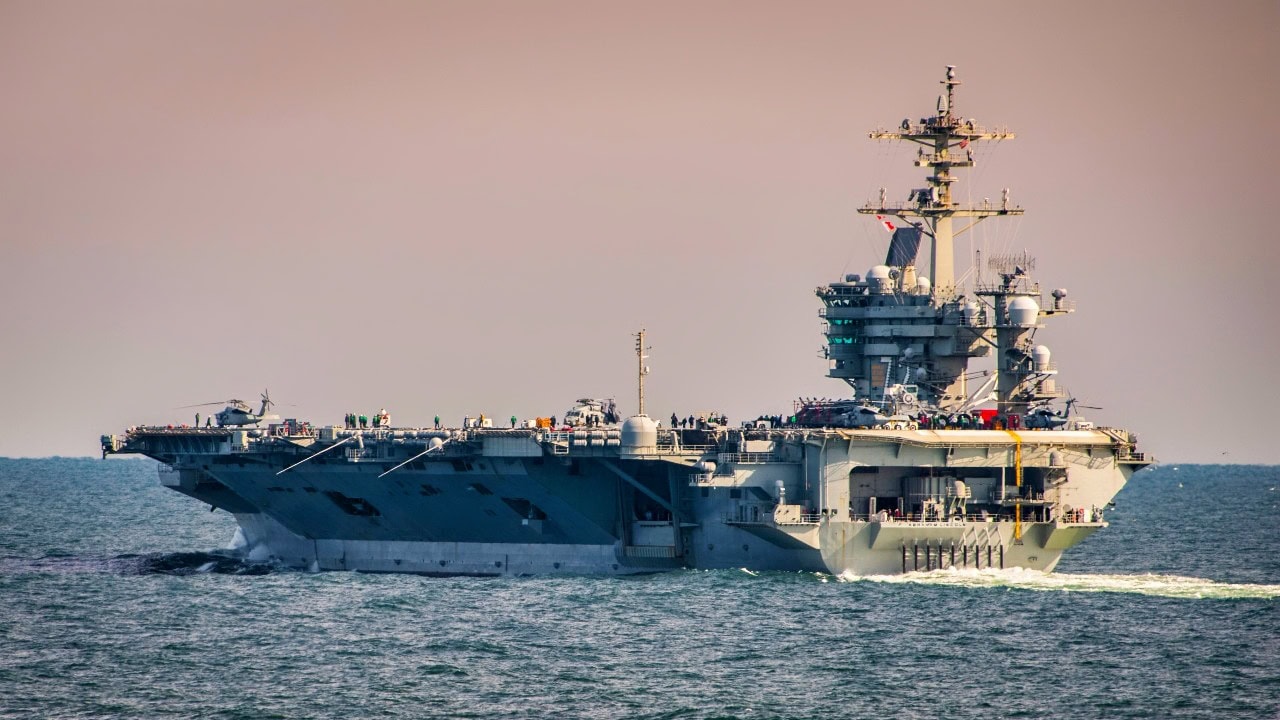
Nimitz-Class Aircraft Carrier
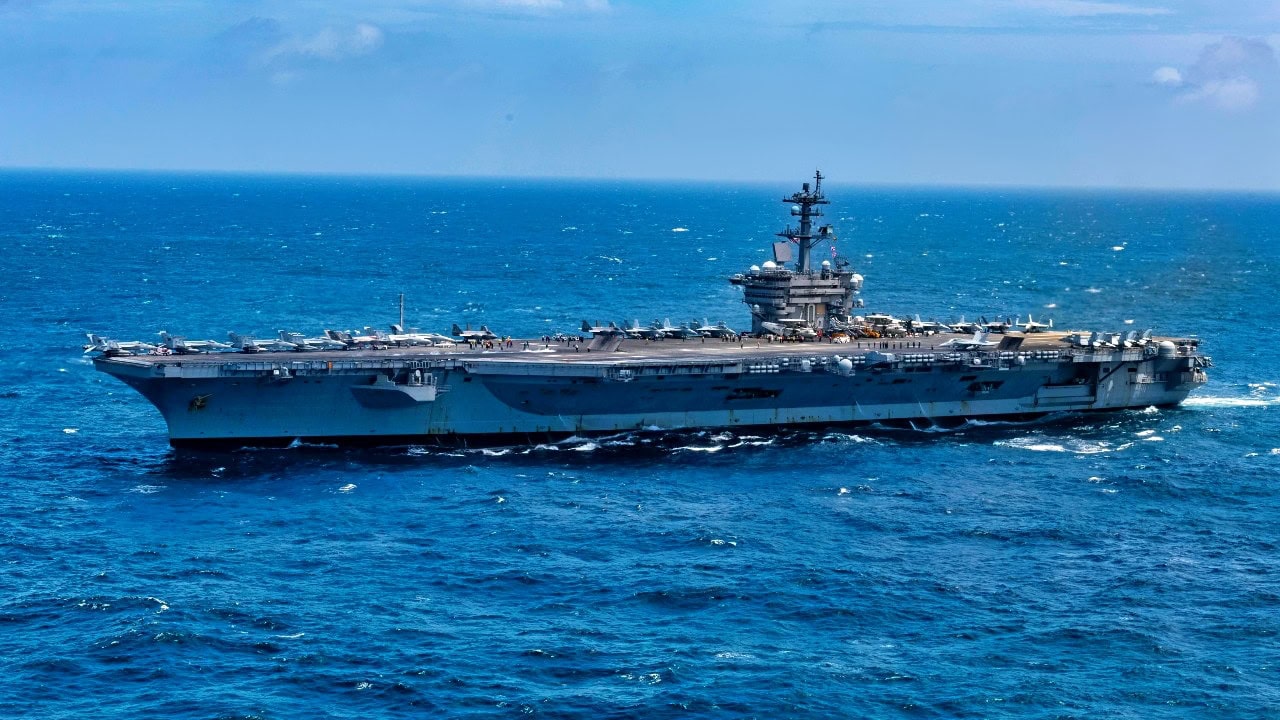
Nimitz-class aircraft carrier USS Carl Vinson (CVN 70) transits the Bay of Bengal as part of Maritime Partnership Exercise (MPX), Oct. 16, 2021. MPX 2021 is a multilateral maritime exercise between the Royal Australian Navy, Japan Maritime Self-Defense Force, U.K. Royal Navy, and U.S. maritime forces, focused on naval cooperation, interoperability and regional security and stability in the Indo-Pacific and is an example of the enduring partnership between Australian, Japanese, U.K. and U.S. maritime forces, who routinely operate together in the Indo-Pacific, fostering a cooperative approach toward regional security and stability. (U.S. Navy photo by Mass Communication Specialist 2nd Class Russell Lindsey)
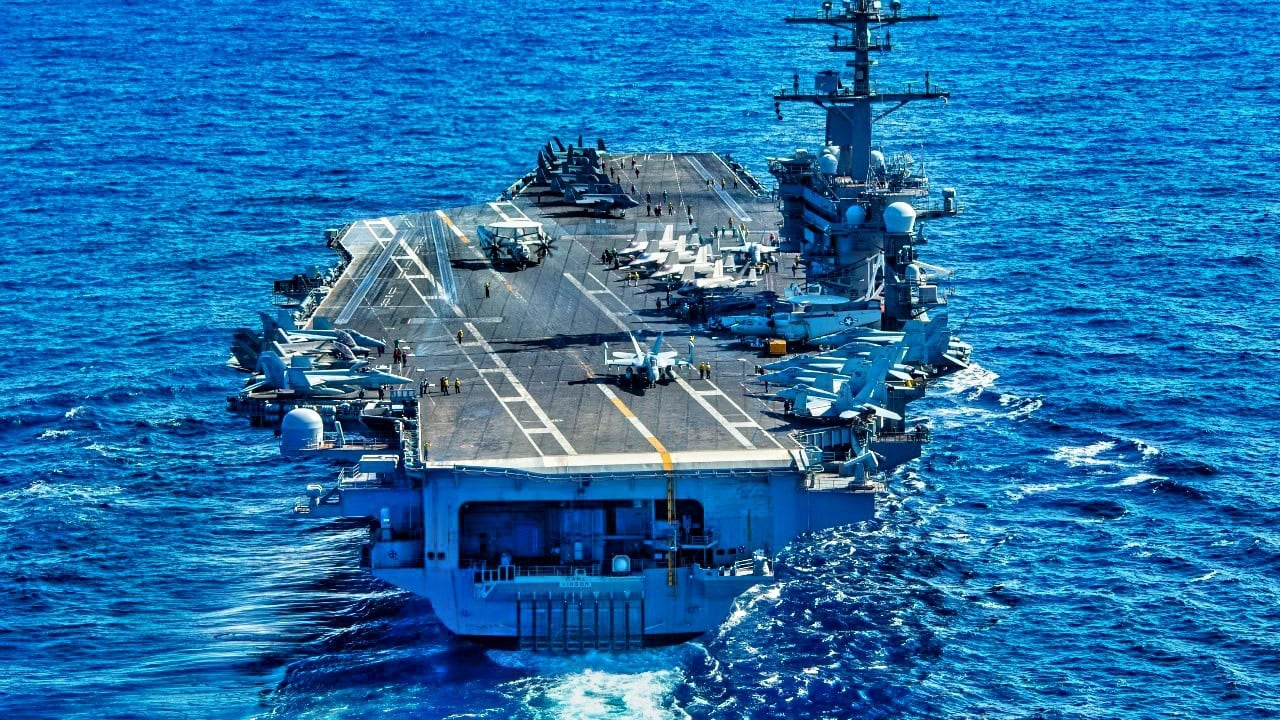
The Nimitz-class aircraft carrier USS Carl Vinson (CVN 70) transits the Philippine Sea with six additional F-35C Lightning II aircraft assigned to the “Argonauts” of Strike Fighter Squadron (VFA) 147, part of Carrier Air Wing FIVE, Dec. 13, 2024. VFA-147 operates from Marine Corps Air Station Iwakuni, Japan. U.S. Indo-Pacific Command forces perform operations in and around critical sea passages and trade thoroughfares to deter threats that create regional instability and impinge on the free flow of goods, people, and ideas. (U.S. Navy photo by Mass Communication Specialist Seaman Apprentice Pablo Chavez)
Aviation fuel is still conventional and needs regular replenishment.
The same goes for food, ammunition, spare parts, and supplies. So carriers cannot just remain at sea indefinitely just because they are nuclear-powered.
Years to Refuel
Refueling a nuclear reactor isn’t like filling up a gas tank.
The reactor compartment sits deep within an enormous, complex warship, and the nuclear fuel is radioactive material contained inside a heavily protected reactor plant.
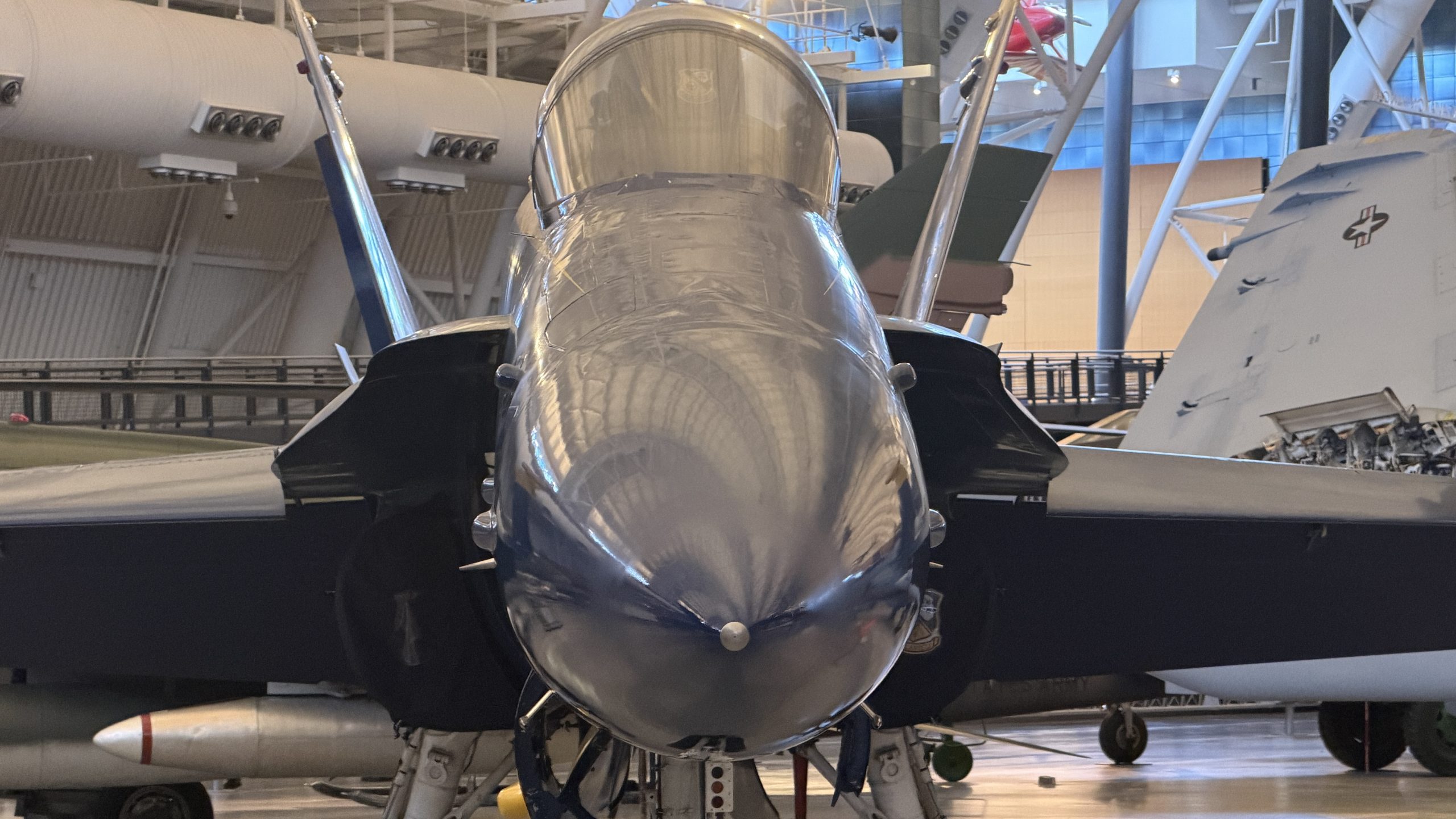
F/A-18 Hornet. Smithsonian Visit by 19FortyFive Staff.
First, the shipyard must access the reactor, then remove the fuel and install new fuel while meeting stringent nuclear safety requirements.
The work requires specialized, nuclear-trained personnel, radiation controls, extensive inspections, testing, and exacting documentation.
But reactor refueling alone doesn’t explain why the RCOH can take four, five, or six years; the RCOH is also a massive midlife reconstruction of the entire carrier.
RCOH Explained
The Nimitz-class was designed for a roughly 50-year service life.
The RCOH occurs around the midpoint, and the Navy uses the unavoidable reactor-work period to reset the ship for another 25 years.
Huntington Ingalls Industries performs this highly specialized work at Newport News Shipbuilding.
Here, the carrier is dry-docked and opened up; the Navy refuels the reactors, repairs propulsion systems, and inspects and replaces thousands of components.
Major modernization can include radar, communications, combat systems, aviation equipment, electrical systems, habitability, piping, pumps, catapults, arresting systems, and hull maintenance. Everything.
Miles and miles of cable and piping may require attention. Vast portions of the enormous ship are refurbished.
So while refueling is the central event, the comprehensive RCOH is much more involved, and helps explain why it takes years to complete.
Why Tolerate the Hassle?
Nuclear propulsion has enormous upside.
One is avoiding the need to carry conventional fuel.
This means the space and weight otherwise devoted to ship fuel can support other things.
Nuclear carriers can also sustain high speeds without watching the fuel gauge plunge, which matters for a carrier that may need to reposition rapidly, sustain high-speed operations, or maneuver constantly to maintain wind over the deck for flight operations.
Conventionally powered warships burn fuel rapidly at high speeds, while nuclear reactors don’t face the same constraints.
And of course, the nuclear carrier has incredible range—a helpful performance characteristic for a Navy charged with policing the world’s oceans.
Why Not Conventional?
Conventional carriers lose the upsides of nuclear propulsion.
And while a conventional carrier could avoid the expensive, time-consuming nuclear reactor refueling, it would still need major overhauls.
Much of the RCOH work would still apply to conventional carriers, though it could probably be more distributed across the carrier’s service life rather than concentrated in one four-year period.
The conventional carrier is not a low-maintenance machine.
It still needs hull maintenance, catapult maintenance, and so on.
And given the US Navy’s unique needs, spanning much of the globe, nuclear power is the clear answer.
About the Author: Harrison Kass
Harrison Kass is a writer and attorney focused on national security, technology, and political culture. His work has appeared in Tablet, City Journal, The Hill, The Spectator, and The Cipher Brief. He holds a JD from the University of Oregon and a master’s in Global & Joint Program Studies from NYU. More at harrisonkass.com.