Over 4,000 Missiles Failed to Hit a Single US Air Force Mach 3.2 SR-71 Blackbird. Speed Was the Only Way to Survive as It Had No Weapons to Fire Back

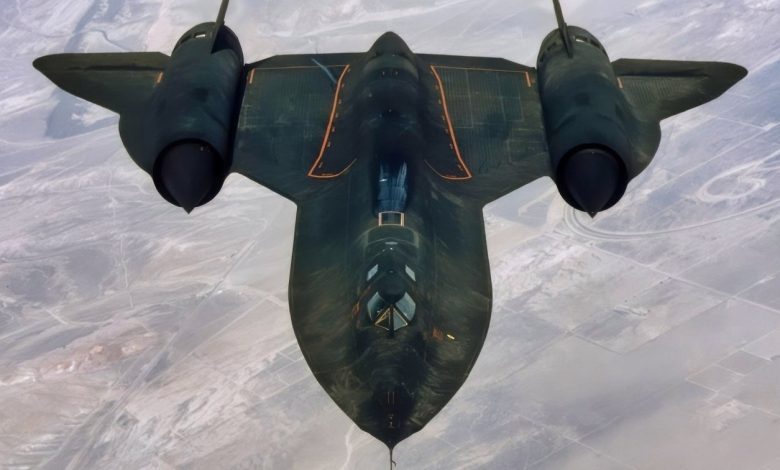
4,000 Missiles Were Fired at the SR-71 Blackbird Over 30 Years. Every Single One Missed: The most remarkable number in the history of the Lockheed SR-71 Blackbird is not its speed or its altitude. It is zero. Across a service life that ran from the mid-1960s to the late 1990s, an estimated 4,000 or more surface-to-air missiles were fired at the Blackbird by the Soviet Union, North Vietnam, North Korea, and Libya, and not one of them ever hit. No SR-71 was ever lost to enemy fire of any kind, missile or fighter, in three decades of flying the most dangerous reconnaissance missions of the Cold War, over some of the most heavily defended airspace on Earth, carrying no weapons and no way to fight back. The airplane’s entire defense against a missile fired at it was a single instruction to the pilot: go faster.
SR-71 Blackbird: The Aircraft That Carried No Weapons
The Blackbird was born from a shootdown, and its whole philosophy of survival was shaped by that fact.
In 1960, a Soviet SA-2 missile brought down the U-2 spy plane flown by Francis Gary Powers over the Soviet Union, an event that ended American manned overflights of Soviet territory and made painfully clear that a slow, high aircraft could be killed.
Lockheed’s Skunk Works answered not with armor or weapons but with performance, building an aircraft that would fly so high and so fast that nothing could reach it. The SR-71 and its CIA predecessor, the A-12, were designed to cruise above 80,000 feet at better than three times the speed of sound, and that combination was the defense.
A-12 Oxcart. Image Credit: Creative Commons.
The airplane carried cameras and sensors and nothing else: no missiles, no guns, no escorts, flying alone and unarmed into airspace defended by hundreds of missile batteries.
The doctrine was total: if a missile was fired, the crew would accelerate, climb, and leave it behind, trusting the machine’s raw capability to do what no countermeasure could.
It was a bet that speed could substitute for firepower, and for thirty years the bet paid every time it was called.
The First Missile, and the Thousands That Followed
The shooting began over Southeast Asia.
Beginning in 1968, SR-71 crews flew missions from Kadena Air Base on Okinawa over North Vietnam and Laos, directly into one of the densest concentrations of Soviet-built air defenses in the world.
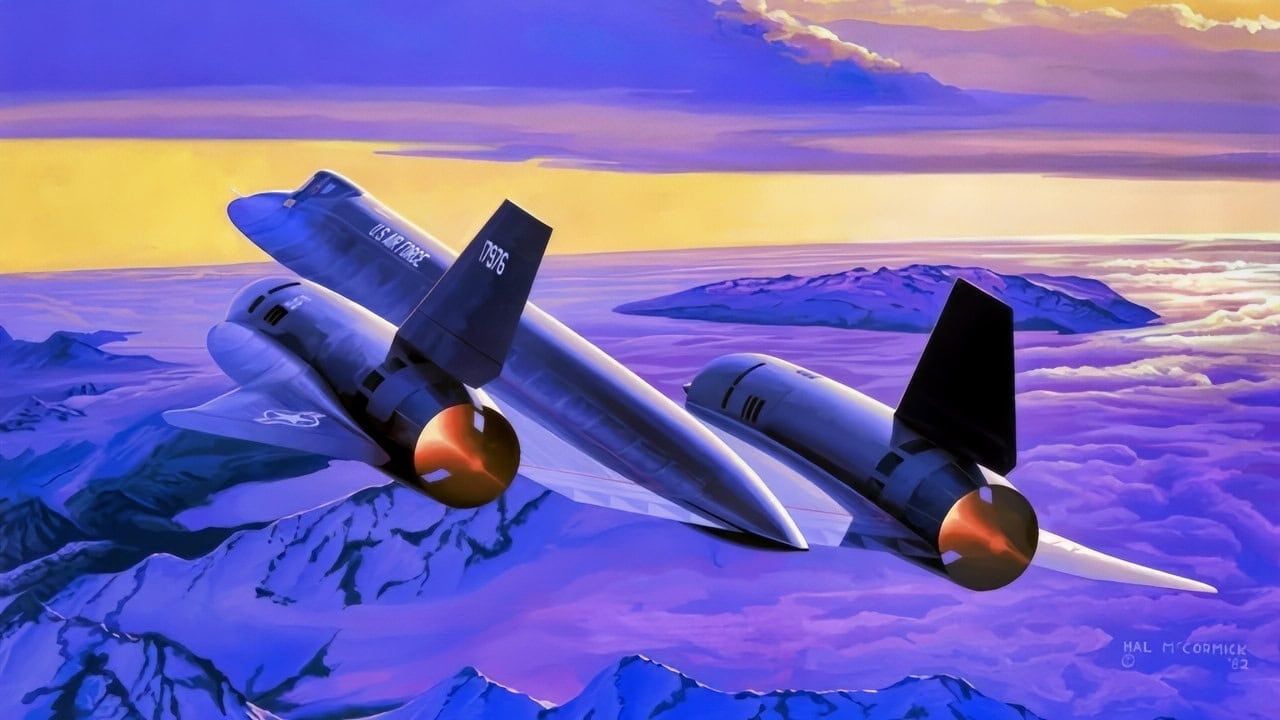
SR-71 Art from U.S. Government Archive.
The first missile known to be fired at an SR-71 came on July 26, 1968, when Major Jerry Crew and his reconnaissance systems officer were flying a sortie over North Vietnam and picked up the warning that a missile site was tracking them, then that it had launched, as recounted in Richard Graham’s histories of the program.
The missile missed, as they all would.
Over the following decades, the tally of shots grew into the thousands, an estimate rather than a hard count, but one that reflects how often the Blackbird flew into hostile fire.
The figure of more than 4,000 missiles fired across the airplane’s career has become the standard measure of both the threat it faced and the completeness of its record against that threat.
Every one of those launches ended the same way, with the missile arriving at a patch of empty sky where the Blackbird had been seconds earlier.
How Speed Beat a Missile
The idea that an airplane could outrun a guided missile sounds impossible until the geometry is laid out, because a surface-to-air missile does not simply need to be fast; it needs to be fast in exactly the right place at exactly the right moment.
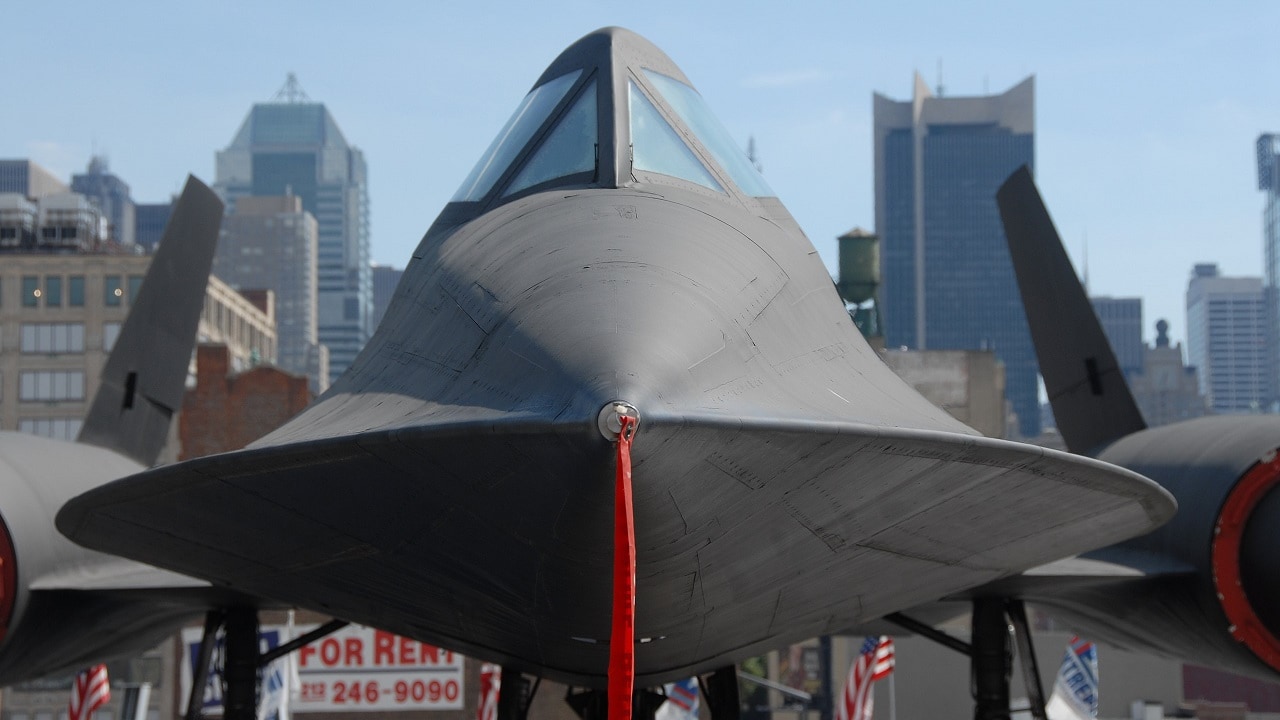
A-12 Spy Plane. Image Credit: Creative Commons.
At Mach 3.2, the Blackbird covered 36 miles every minute, more than half a mile every second, and a missile fired at it had only a fleeting window to detect the aircraft, compute an intercept solution, launch, and physically reach the point where the two would meet. A missile like the SA-2 had to climb from the ground to 80,000 feet, and climbing that high burned most of its energy, so by the time it reached the Blackbird’s altitude it was slowing and losing maneuverability precisely when it needed both most.
The target it was chasing had, in those same seconds, moved miles farther along its track and was still accelerating and climbing away.
Even a missile launched head-on faced closing speeds so extreme that its guidance struggled to keep pace, and the intercept geometry that works against a subsonic bomber falls apart against an aircraft crossing the sky at Mach 3.
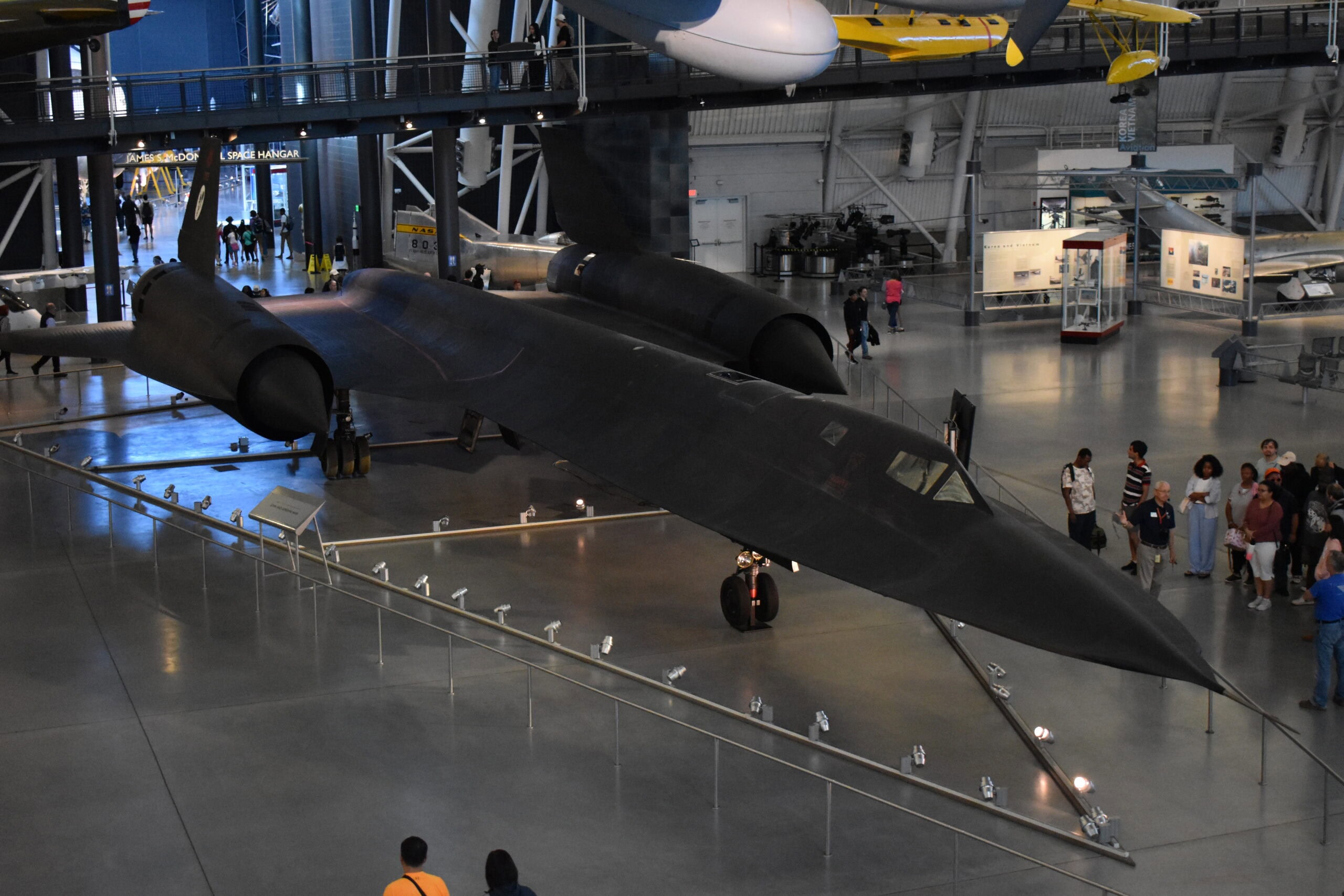
SR-71 Blackbird. Image Credit: 19FortyFive.com Photo Archive/This Is An Original Photo.
The Blackbird did not dodge missiles so much as it made the intercept mathematically unaffordable, arriving and departing faster than the defensive system could solve the problem it was built to solve.
The Layered Defense Behind the Speed
Speed was the foundation, but the Blackbird did not rely on speed alone, and the fuller picture is a layered system of defenses working together.
The airplane was the first operational aircraft intentionally designed with a reduced radar cross-section, its knife-edged chines shaped to deflect radar energy and coated with an early radar-absorbent iron-ferrite paint.
Ben Rich, who ran the Skunk Works, estimated that the airplane’s shape cut its radar signature by about 65 percent and the iron-ferrite coating reduced it by a further 35 percent, leaving a cross-section of under ten square meters at cruise, small for so large an aircraft.
The Blackbird was not truly stealthy by later standards, and the enormous heat plume from its engines gave radar operators something to track, and the aircraft leaned on jamming in a constant cat-and-mouse contest, but the reduced signature shortened the ranges at which it could be engaged.
Layered on top of that were the Defensive Electronic systems, the DEF suite carried in the aircraft’s chine bays, which could automatically detect a hostile radar or missile and jam or spoof its guidance.
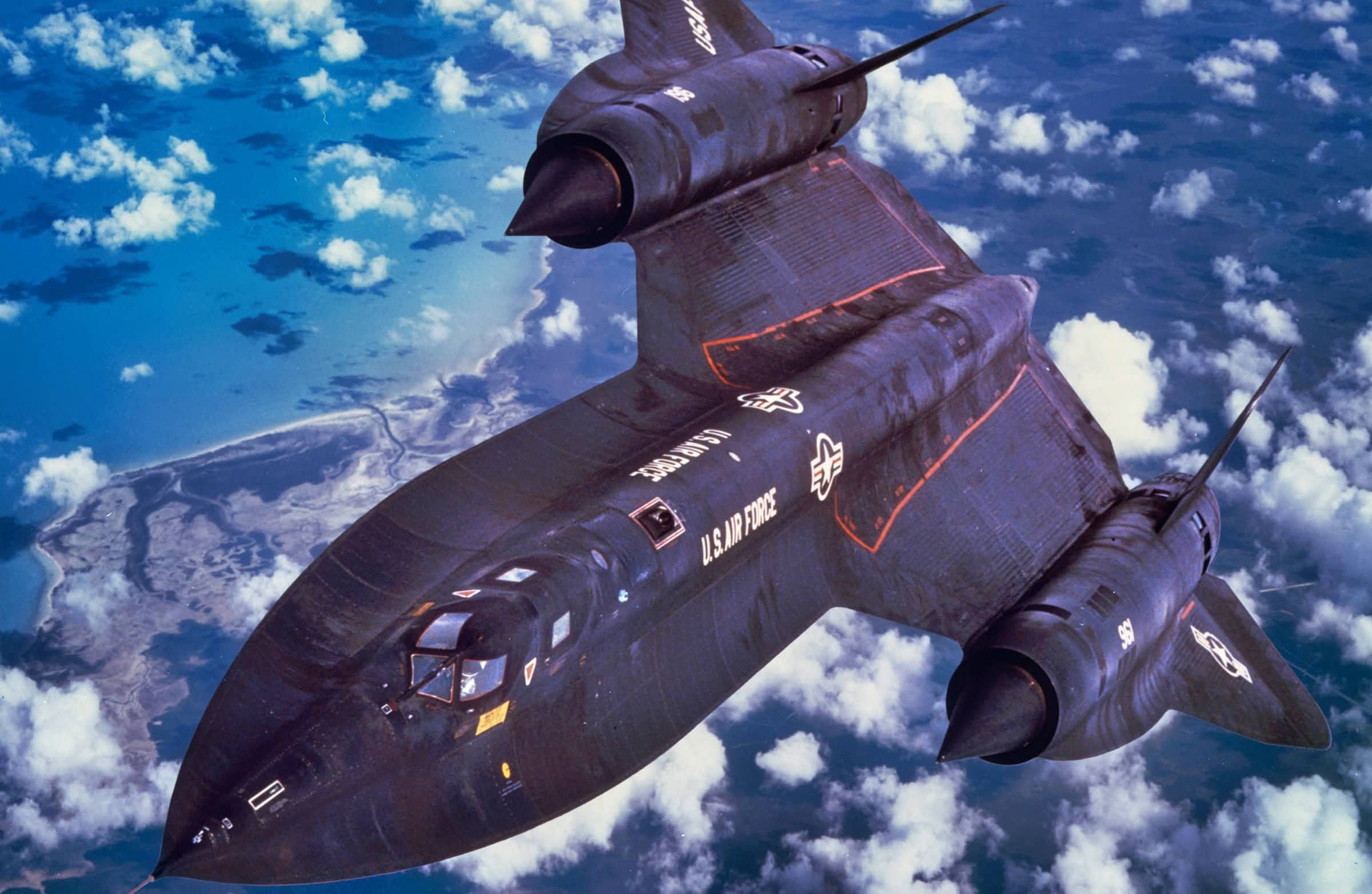
SR-71 Blackbird. Image Credit: Creative Commons.
The crews trained a specific evasion sequence that combined all of it, and one pilot described the drill as jamming the missile’s guidance electronically, accelerating to maximum speed, climbing, and turning away from the attack using 45 degrees of bank.
The turn was the overlooked part, because a missile traveling at high speed with limited control authority simply could not follow the Blackbird through a banking turn at altitude.
The same pilot was candid about a limit the legend usually omits, admitting that the aircraft could not outrun every missile on speed alone, the long-range SA-5 among them, which is exactly why the jamming and the turn mattered as much as the throttle.
The Closest Call Was Not an SR-71
The single closest anyone ever came to downing a Blackbird-family aircraft involved not the SR-71 but its predecessor.
The A-12 Oxcart, the smaller single-seat CIA aircraft from which the SR-71 was developed, flew reconnaissance over North Vietnam in 1967 under the code name Black Shield.
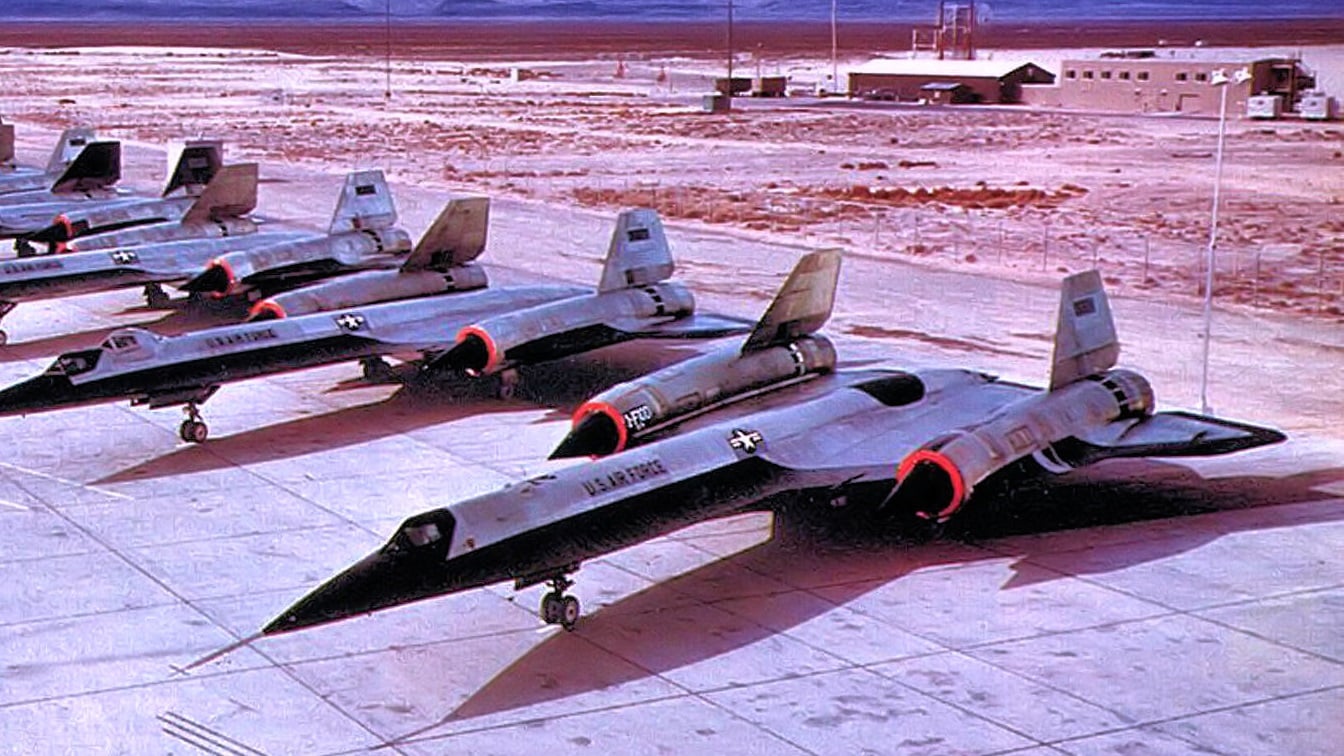
CIA A-12 Spy Plane. Image Credit: Creative Commons.
On October 30, 1967, an A-12 flown by pilot Dennis Sullivan was over North Vietnam when it was engaged by SA-2 sites that launched a salvo of six missiles at it, and although Sullivan brought the aircraft home, ground crews afterward found a fragment of missile shrapnel lodged in the aircraft’s lower wing, from a warhead that had detonated close enough to score the only physical hit any Blackbird-type aircraft ever took from enemy fire.
The detail is recorded in the CIA’s own declassified history of the program. It is worth stating plainly for the sake of accuracy: the aircraft touched by that shrapnel was an A-12, not an SR-71, and the SR-71 itself was never hit at all.
The A-12 was retired within a year, its mission passing to the Air Force’s SR-71, and the near-miss over North Vietnam remained the closest the story ever came to a different ending.
North Korea Takes Its Shot
The only officially acknowledged missile firing at an actual SR-71 came over Korea, and it unfolded almost exactly as the doctrine predicted.
On August 26, 1981, an SR-71 flown by Major Maury Rosenberg with Major E.D. McKim as his reconnaissance systems officer was making a pass along the Korean Demilitarized Zone when North Korea fired two Soviet-built SA-2 missiles at the aircraft.
McKim noticed the launch first, when the DEF system automatically began jamming the missiles’ guidance and lit up the warning displays in his cockpit, and he looked out in time to see the missiles streak harmlessly past.
The incident caused a stir in the press and made crews more cautious about their passes near the DMZ, but the outcome was the familiar one, with the aircraft untouched and the missiles wasted.
It stands as the only firing at an SR-71 that the United States government has formally confirmed, a single documented data point in what the airplane’s crews knew to be a far larger pattern of being shot at and missed.
Libya, and the Run That Made the Legend
The most famous evasion in the Blackbird’s history occurred over Libya, putting the whole doctrine on display under fire. In 1986, following the terrorist bombing of a Berlin discotheque and the American airstrikes on Libya that answered it, SR-71s flew reconnaissance over the country to assess the damage, into airspace defended by Soviet-supplied SA-2, SA-4, and SA-5 batteries built specifically to engage high-altitude targets.
On one such mission, the pilot Brian Shul and his reconnaissance systems officer received missile launch warnings as they approached their final turn, and Shul responded by increasing speed and calculating whether the aircraft could complete the turn before the missiles reached their altitude.
He held course and bet both their lives on the airplane’s performance, running at roughly 2,100 miles per hour and 85,000 feet, and the aircraft made the turn and outran the missiles, an escape recounted in detail in the pilot’s own accounts.
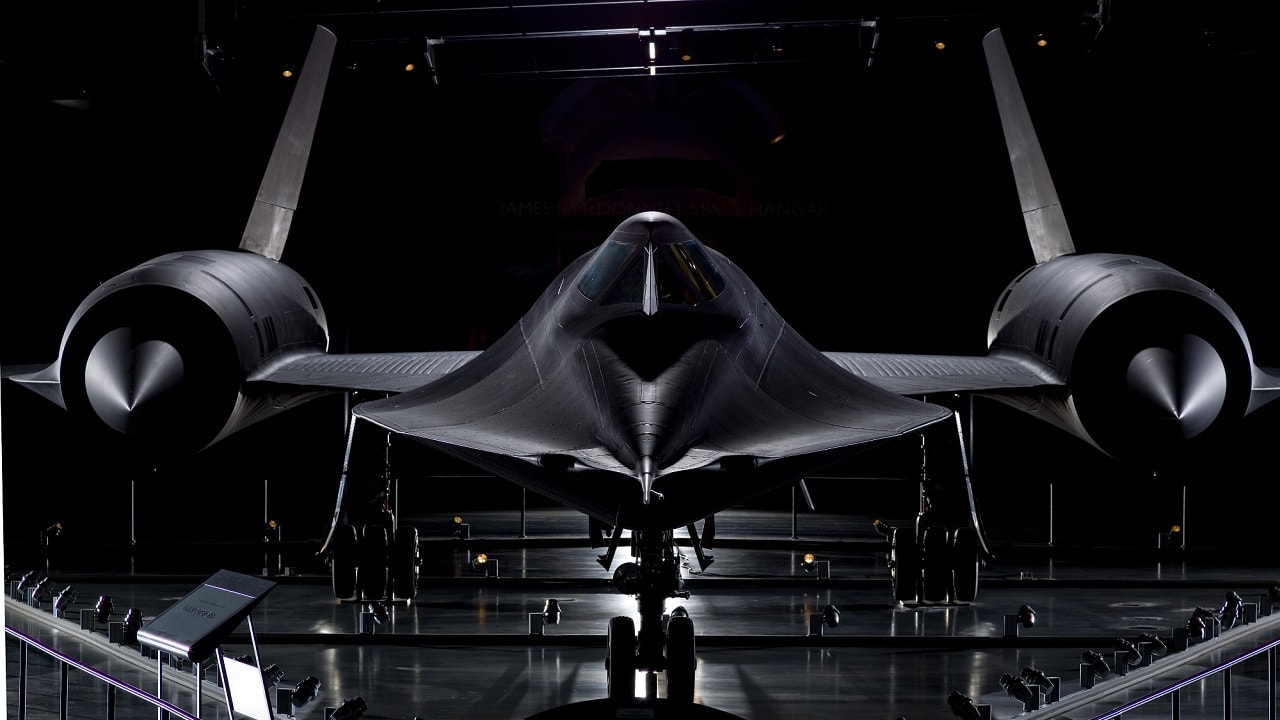
Front view of Lockheed SR-71A (Blackbird, s/n 61-7972, A19920072000) on display at the National Air and Space Museum’s Steven F. Udvar-Hazy Center, Chantilly, Virginia.
The Libya run became the story most often told about the Blackbird because it captured the essence of the machine, an unarmed aircraft answering a barrage of missiles with nothing but throttle and nerve.
It also confirmed the operating principle the airplane had followed from the beginning: that the way to survive a missile was to be somewhere else by the time it arrived.
The Fighters That Could Not Catch It
Missiles were only half the threat, because the Soviet Union also sent fighters after the Blackbird, and for most of the airplane’s life no fighter could get near it either.
The Soviet aircraft built partly to counter high-flying American reconnaissance aircraft was the MiG-25 Foxbat, a fast, heavy interceptor that, on paper, looked dangerous.
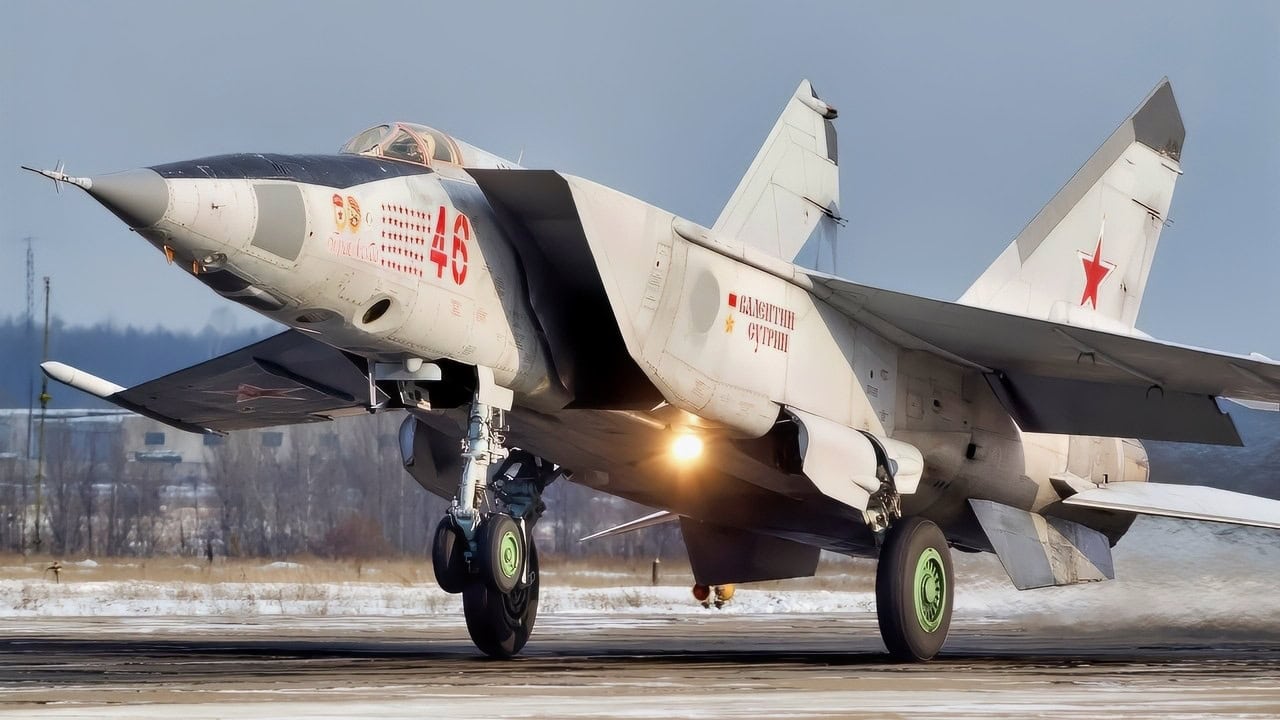
MiG-25 Creative Commons Photo
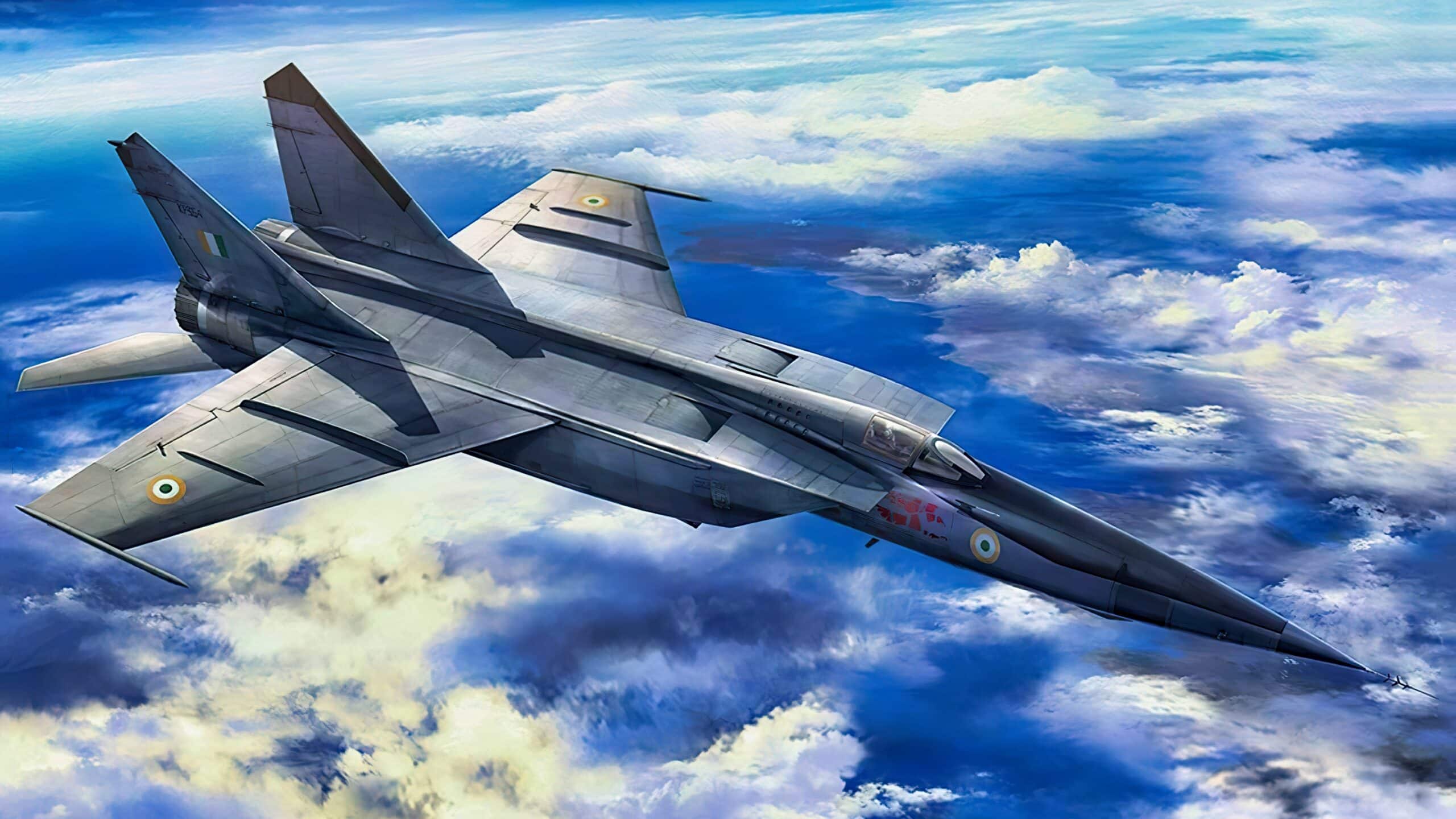
MiG-25. Image Credit: Creative Commons.
The reality was disappointing for the Soviets, and the clearest testimony came from Viktor Belenko, the MiG-25 pilot who defected to Japan in 1976 and told his debriefers that although Soviet fighters had often tried to intercept SR-71s flying along the Russian coast, the Foxbat had always come up short.
The MiG-25 could sprint to high speed but could sustain only about Mach 2.8, and only for a few minutes, before its engines were endangered; its missiles were poorly suited to hitting a small, fast, high target; and it handled poorly in the thin air where the Blackbird cruised.
Soviet pilots tried zoom-climb tactics, accelerating in level flight and then trading that speed for a sudden lunge upward to reach the Blackbird’s altitude, but the geometry never worked, because arriving at the right altitude for a moment is useless if the target is crossing the sky at Mach 3 and the interceptor cannot stay there. For most of the Blackbird’s operational life, the fighters chasing it were simply outclassed.
The One Interceptor That Could: Enter the MiG-31
The Soviets eventually fielded a fighter that, under the right circumstances, could threaten the SR-71 Blackbird.
The MiG-31 Foxhound entered service in the early 1980s as a purpose-built long-range interceptor, and it brought two things the Foxbat had lacked: the powerful Zaslon phased-array radar, able to track targets at long range and engage them in the look-down and rear hemisphere, and the R-33 missile, which flew at around Mach 4.5, fast enough to run down a Blackbird.
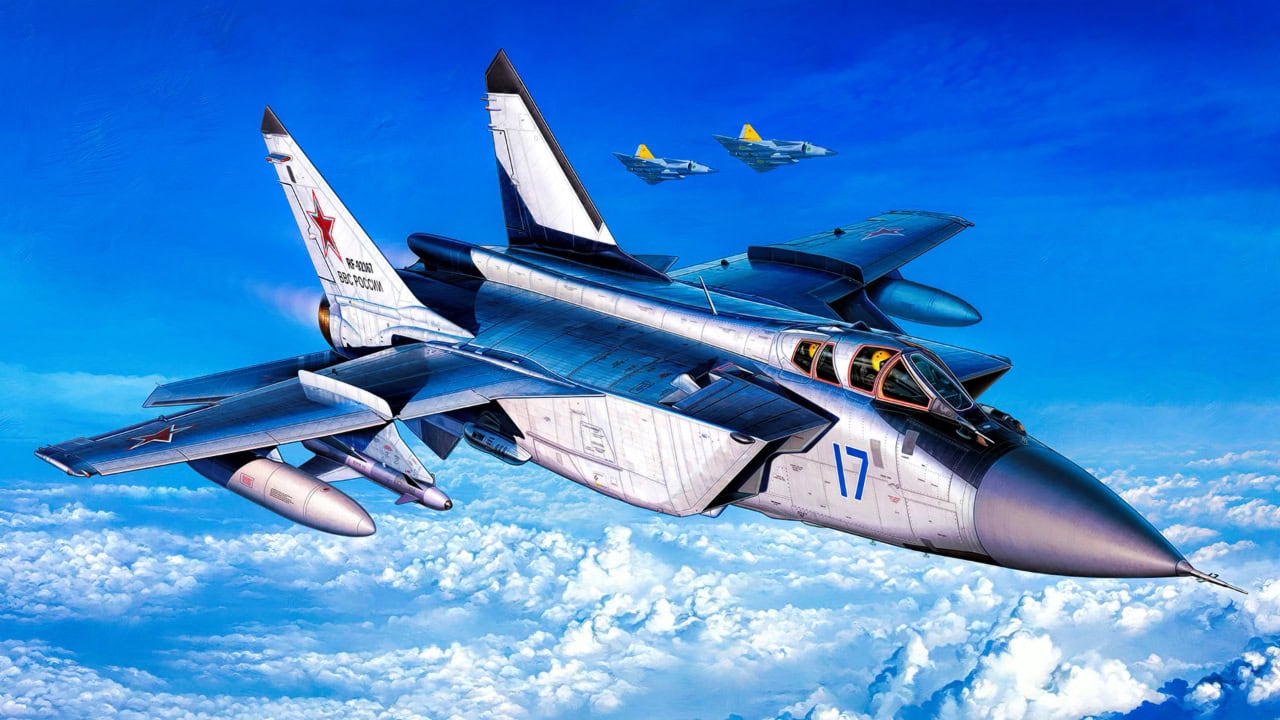
MiG-31 Fighter. Image Credit: Creative Commons.
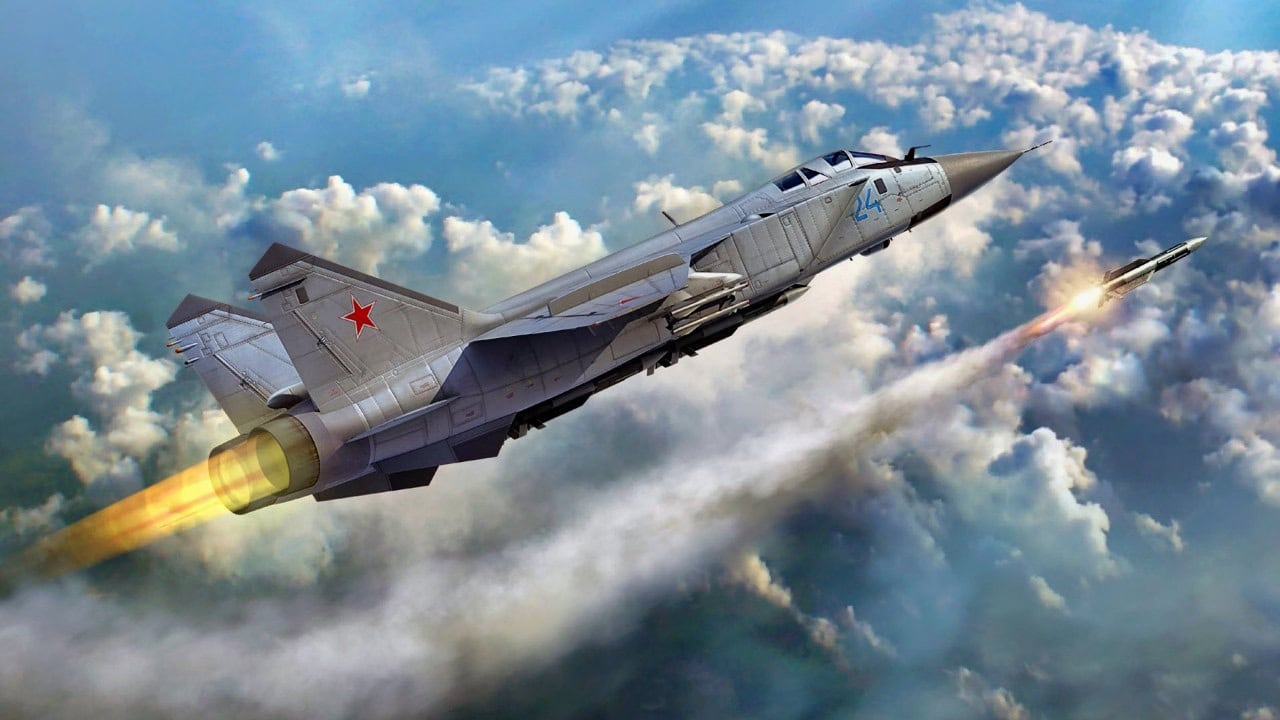
MiG-31 from Russian Air Force. Image Credit: Creative Commons.
The Soviets built highly choreographed intercept procedures around the aircraft, with MiG-31s scrambled to launch at a precise moment, roughly 16 minutes after the initial warning, to place themselves in the narrow slice of sky where a firing solution was possible.
One MiG-31 pilot, Captain Mikhail Myagkiy, recounted in Paul Crickmore’s history of the program that on January 31, 1986, he achieved a radar lock on an SR-71 at a range of about 120 kilometers, climbing his fighter high enough to hold the Blackbird in his sights, and stated that had the aircraft violated Soviet airspace, an R-33 launch would have been carried out with, in his judgment, no practical chance of the SR-71 evading it.
That June, six MiG-31s attempted to trap an SR-71 over the Barents Sea, and even with the choreography, the new radar, and the fast missile, they could not convert the attempt into a shot.
The crucial point: the MiG-31 was the one system that could theoretically have killed a Blackbird; a lock was claimed, but no missile was ever fired at an SR-71 by a MiG-31, and no SR-71 was ever hit, because the American aircraft stayed in international airspace and the theoretical firing solution stayed theoretical.
The house analysis of the airplane’s vulnerability reaches the same conclusion: that the interceptor existed on paper and in radar locks but never in a kill.
The Only Fighter That Ever Locked On Came to Its Rescue
The single fighter that did achieve a genuine lock on an SR-71 Blackbird and put a visual on it was not Soviet at all.
On June 29, 1987, an SR-71 flying a Baltic Express reconnaissance mission over the Baltic Sea, crewed by Duane Noll and Tom Veltri, suffered an engine explosion at Mach 3 and was forced to descend to roughly 25,000 feet, slow and low and vulnerable, drifting over neutral Swedish airspace with Soviet fighters shadowing the area.
Two pairs of Swedish Air Force JA-37 Viggen fighters intercepted the crippled aircraft, and rather than escorting it out for violating Swedish neutrality, the Swedish pilots formed a protective wall around the Blackbird, shielding it from any interceptor that might have tried to finish it off, and stayed with it until it could reach Danish airspace and eventually land at Nordholz in West Germany.
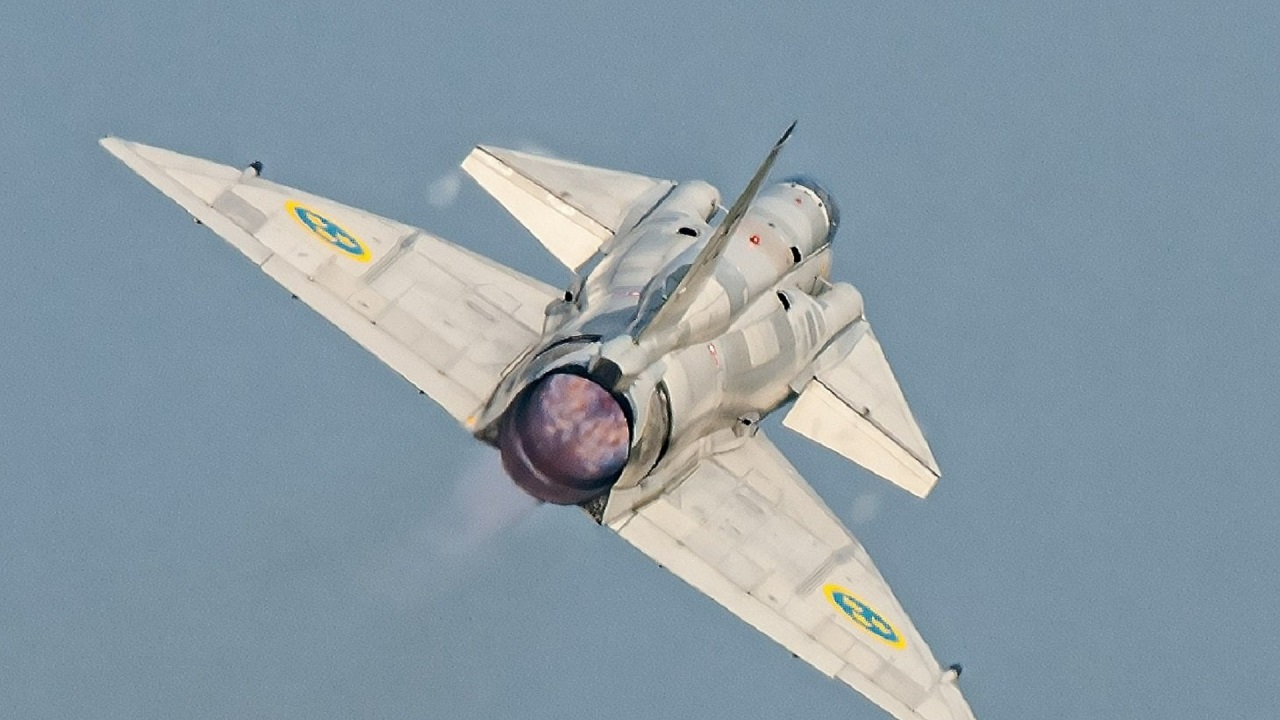
Saab 37 Viggen. Image Credit: Creative Commons.
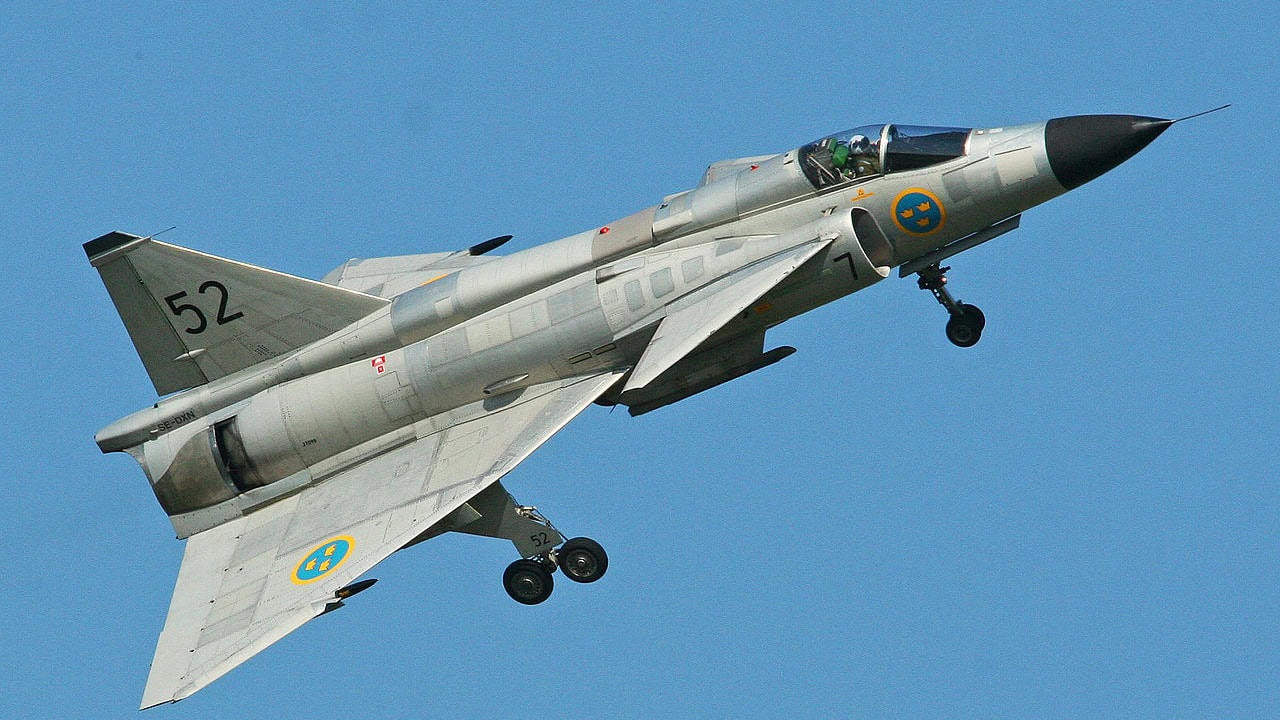
Making its first UK Airshow appearance, this amazing Saab 37 Viggen is operated by the Swedish AF Heritage Flight in genuine F7 markings. Seen during its solo routine. c/n 37-098. 2013 Waddington Airshow. 6-7-2013
The four Swedish pilots, Lars-Erik Blad, Roger Möller, Krister Sjöberg, and Bo Ignell, kept the episode classified for decades, and it was not until November 2018 that the United States publicly acknowledged what they had done and awarded them American Air Medals in a ceremony in Stockholm.
The Viggen holds the distinction of being the only foreign fighter ever to lock onto an SR-71, and the fact that it did so to save the aircraft rather than destroy it captures a truth that the triumphant version of the story tends to bury.
As one account of the episode put it, no Blackbird pilot ever had illusions about the aircraft’s vulnerability in a genuine emergency, and the Viggen pilots demonstrated real skill in their intercept.
The Blackbird was untouchable at speed and altitude, and a wounded Blackbird that had lost both was another matter entirely.
Why the SR-71 Blackbird Was Retired
The airplane that no enemy could shoot down was ultimately grounded by budgets and technology rather than by any threat, and that fact is the final proof of the record.
The Air Force retired the operational SR-71 fleet around 1990, briefly reactivated a small number in the mid-1990s, and retired the type for good in 1998, with NASA flying a couple of examples for research a little longer.
None of those decisions were driven by the aircraft becoming vulnerable, and the reasons were financial, the enormous cost of operating the airplane and its dedicated support fleet, together with the rise of reconnaissance satellites that could gather much of the same intelligence without risking a crew.
What a shame.
About the Author: Harry J. Kazianis
Harry J. Kazianis (@Grecianformula) was the former Senior Director of National Security Affairs at the Center for the National Interest (CFTNI), a foreign policy think tank founded by Richard Nixon based in Washington, DC. Harry has over a decade of experience in think tanks and national security publishing. His ideas have been published in the NY Times, The Washington Post, The Wall Street Journal, CNN, and many other outlets. He has held positions at CSIS, the Heritage Foundation, the University of Nottingham, and several other institutions related to national security research and studies. He is the former Executive Editor of the National Interest and the Diplomat. He holds a Master’s degree focusing on international affairs from Harvard University.