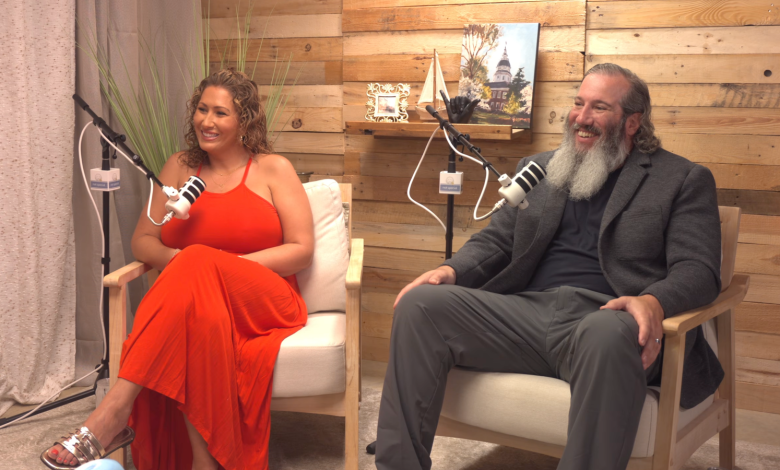
Herb and Corrie Thompson have spent roughly 50 interviews asking people a deceptively simple question: Why are you special?
The answers have become remarkably consistent. Most people tell them they aren’t.
For Herb, a retired Army Green Beret and co-founder of Liberty Speaks, and Corrie, a military spouse, entrepreneur and fellow co-founder of the talent and media company, those conversations have reinforced something they increasingly believe about the stories Americans hear about veterans: Too often, they fall toward one of two extremes.
Veterans are portrayed as extraordinary heroes whose experiences are difficult for most Americans to understand. Or they are damaged by those experiences and struggling to find their way afterward.
Herb and Corrie believe most veterans live somewhere in the much larger space in between.
“We’re all more alike than we are different,” Herb told Military.com.
Corrie sees another part of the problem. Veterans can sometimes reinforce the divide themselves by assuming their experiences make them fundamentally different from everyone else.
Maybe veteran versus non-veteran isn’t the issue, Corrie said. Maybe it’s self-identity.
Together, they are trying to challenge those assumptions one conversation at a time through Not Special, the podcast they record from their home studio.
Moving Beyond the ‘Broken Veteran’
The “broken veteran” narrative is particularly frustrating to Herb.
He points to a familiar veteran character in movies and television: someone wrestling with trauma, addiction, anger or an inability to adjust to civilian life. Even when that character eventually triumphs, the story often begins with the assumption that military service left something that needed to be repaired.
When’s the last time you saw a TV show or Hollywood movie where, best case, the broken veteran fixes himself and becomes the hero? Herb said.
None of that means veterans don’t struggle.
Some of the people Herb and Corrie have interviewed have talked about addiction, grief, trauma and difficult transitions. One former Special Forces officer they discussed had reached a point where alcohol was threatening his life before eventually changing course.
But Herb sees a difference between acknowledging those experiences and allowing them to define the person.
The veteran who struggles isn’t necessarily broken. And the struggle doesn’t have to become the entire story.
Not Every Veteran Story Is a War Story
There is another side to the stereotype.
Military storytelling often gravitates toward the most dramatic experiences: special operations missions, combat, decorated leaders and battlefield heroism.
Herb spent much of his Army career in that world. But he doesn’t believe that makes his service more valuable than someone else’s.
“Everyone brings value,” he said. “It’s one team, one fight.”
Movies may not be made about the logistician or the lawyer, Herb said, but military missions don’t happen without them. That comparison can follow service members after they leave the military.
Someone who served four years may compare themselves with someone who served 20. Someone who never deployed may look at someone who did. A conventional service member may look at a Green Beret and decide their own experiences aren’t particularly interesting.
Corrie believes social media can intensify that tendency by constantly putting someone else’s accomplishments in front of people. I don’t measure up, she said, describing the feeling that comparison can create.
But she has also seen something else through their interviews: Strip away the rank, résumé and accomplishments, and people who appear extraordinarily successful often have many of the same insecurities as everyone else.
“It’s like a seventh grader in the lunchroom,” Corrie said.
That realization is part of what they want their conversations to expose.
‘I’m Not Special’
The name Not Special began with a different meaning.
Herb recalled attending a U.S. Army Special Operations Command conference where a speaker reminded a room filled with commanders that they were “not special,” meaning they weren’t immune from the physical and psychological toll that years of deployments and high operational tempo could take.
The phrase stayed with him. Years later, it became the name of the podcast. But after dozens of interviews, the words have taken on another meaning.
Herb and Corrie routinely ask their guests why they are special. Almost invariably, Herb said, people reject the premise.
“I’m not special,” they tell them.
That includes people whose résumés might suggest otherwise. Their guests have included senior military leaders, special operators, veterans, Gold Star family members, entrepreneurs and others with remarkable experiences.
Yet the people with some of the most interesting stories often don’t see themselves that way.
For Herb and Corrie, that recurring answer has reinforced a larger idea: People don’t always recognize the significance of their own experiences while they’re living them.
Sometimes someone has to ask.
Getting Behind the Résumé
Their interviews are deliberately built to make that easier.
The studio doesn’t look much like a traditional recording booth. Built in their home, it was designed to feel more like a living room, “like a daytime TV show and a podcast had a baby,” as they describe it.
And the interview often begins long before the cameras turn on.
Guests sit and talk first. There are snacks and drinks. The goal is to get comfortable enough that, by the time the formal conversation begins, it feels less like an interview.
“We’re friends by the time we talk,” Herb said.
That approach has sometimes produced conversations even the guests didn’t expect.
One former Green Beret, Herb recalled, had been in gunfights but was visibly nervous about sitting down for the interview.
Retired Navy Cmdr. Kirk Lippold, who commanded the USS Cole when it was attacked in Yemen in 2000, became emotional while discussing the sailors he lost and the weight of command.
Former Chief Master Sergeant of the Air Force JoAnne Bass showed a more playful and personal side during her conversation with Herb and Corrie. At points, they recalled, Bass seemed surprised by how much of herself she was revealing.
“What am I doing?” she asked them. “How are you guys getting me to be so silly?”
For Herb and Corrie, those moments matter because the person behind the résumé is often more interesting than the résumé itself.
Knowing When Not to Ask the Next Question
The approach can also produce much heavier moments.
During one interview with Gold Star parents they had known for years, the couple began sharing parts of their story that Herb and Corrie had never heard despite spending considerable time with them.
Another difficult question was waiting. They didn’t ask it.
Without discussing it, both sensed the conversation had gone far enough. Instead of taking their guests deeper into an already painful subject, they began bringing the interview back toward lighter ground.
Afterward, the four went to lunch. There wasn’t much conversation. “We just sat there,” Herb recalled.
For Herb and Corrie, what happens after an interview is part of the responsibility that comes with asking someone to tell a deeply personal story.
They don’t want someone to put difficult experiences on the table, turn off the cameras and then simply send that person out the door.
That philosophy also helps explain why they aren’t interested in chasing controversy simply because it might generate clicks.
As their audience has grown, Herb said, so has the responsibility that comes with having a platform. Once you have a megaphone, there’s a responsibility, he said.
More Than Heroes or Victims
Challenging the “broken veteran” narrative doesn’t mean ignoring stories about PTSD, suicide, addiction, combat trauma or difficult transitions. Those stories are real.
But Herb and Corrie don’t believe those experiences should become shorthand for what it means to be a veteran.
Nor do they believe the alternative should be another extreme in which military service is defined primarily by special operators, generals, combat heroes and extraordinary acts.
There are countless experiences between those two images. The logistician. The maintainer. The military spouse. The service member who never deployed.
The veteran who struggled after leaving the military and the veteran who didn’t. And the person who looks at someone else’s service and concludes that their own story doesn’t matter.
After roughly 50 interviews, Herb and Corrie have seen how much can be missed when people are reduced to a title, a military résumé or the hardest thing that ever happened to them.
Now they are taking that idea on the road.
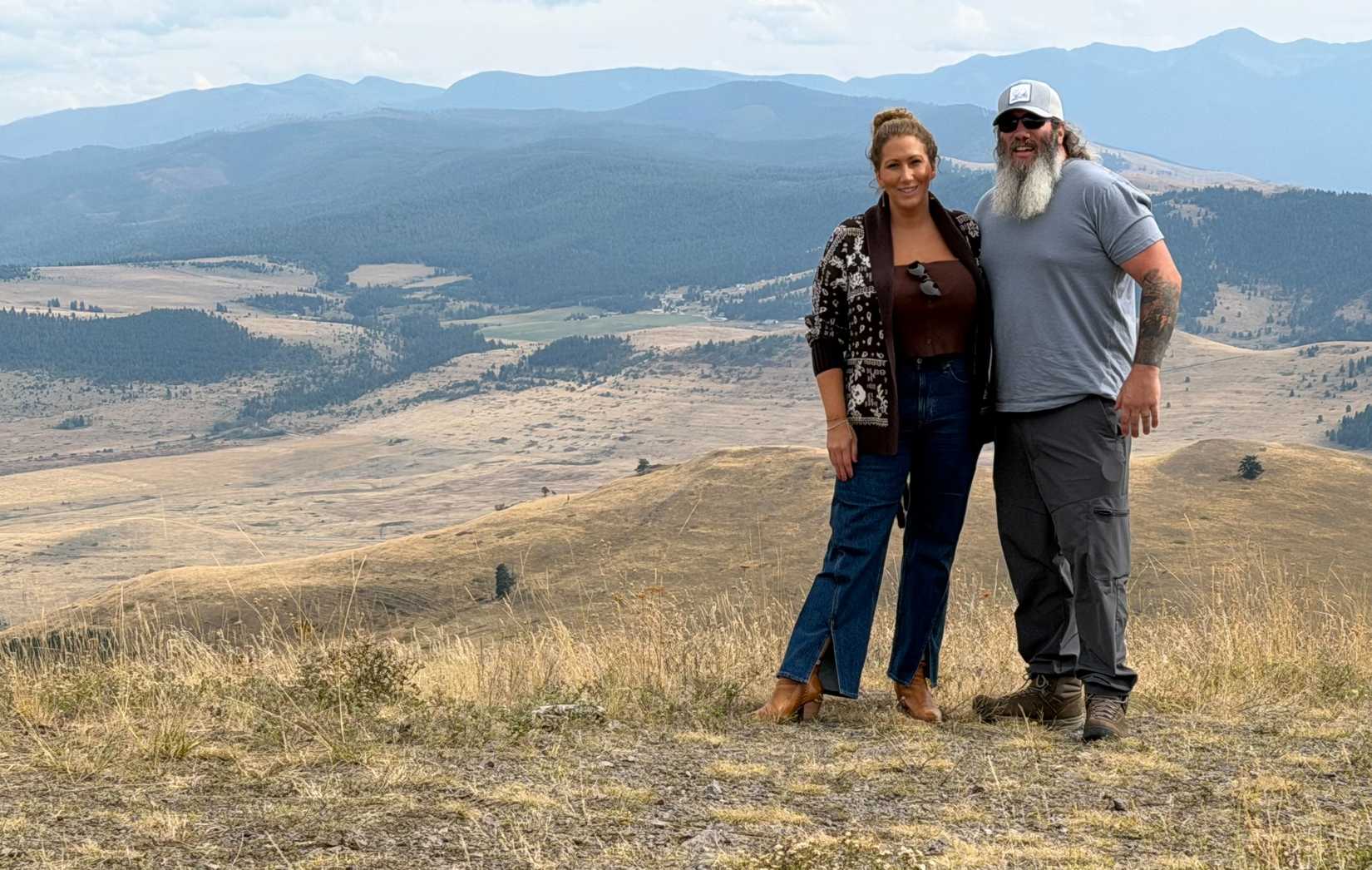
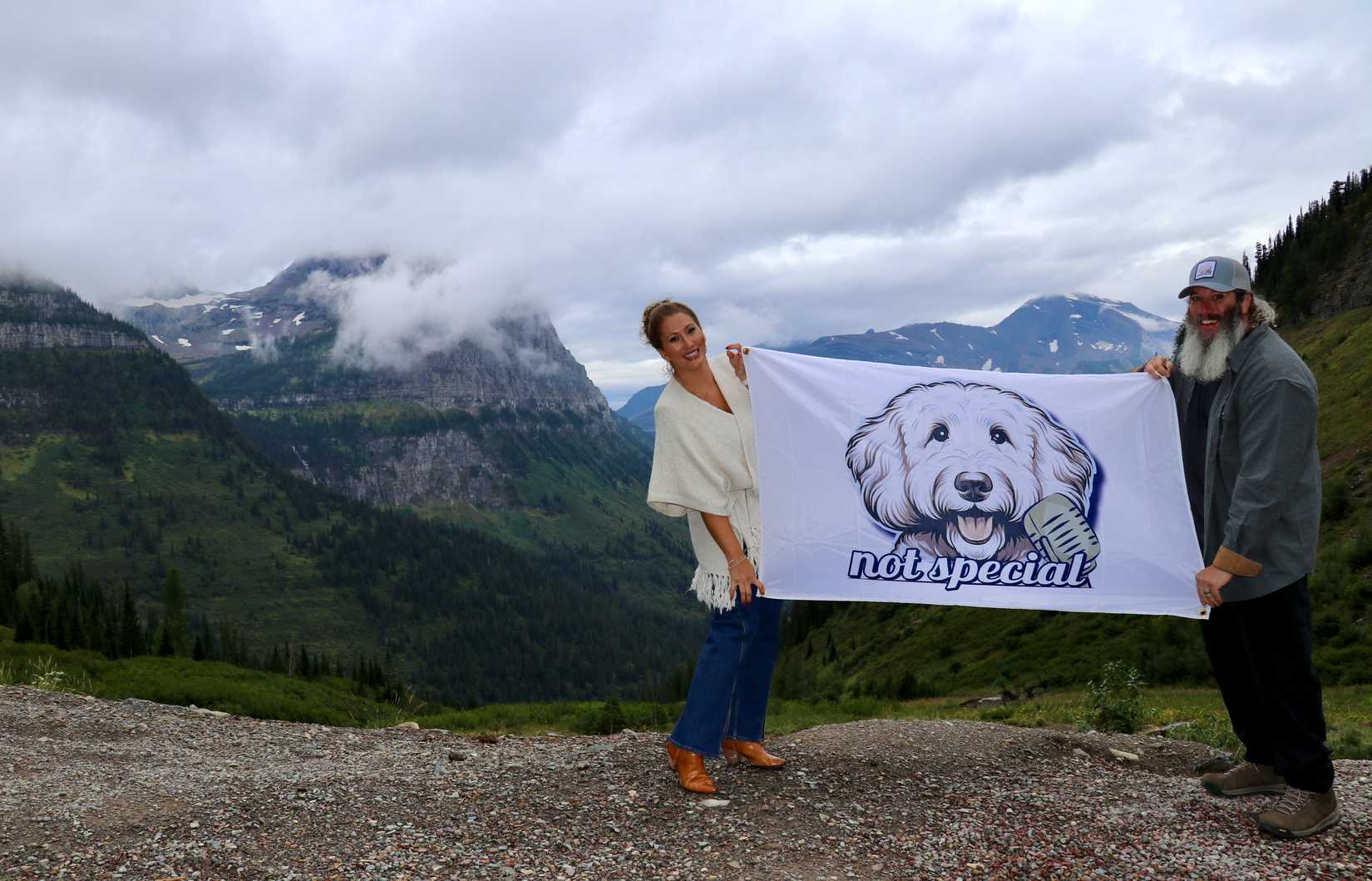
On 1 Oct, Not Special is launching The Americana Series — Montana, a new series built around conversations recorded outside their home studio. The Montana interviews continue the idea at the heart of the podcast: People don’t have to be famous, highly decorated or defined by hardship to have experiences worth hearing.
For Herb and Corrie, the new series is an extension of the question they’ve asked throughout dozens of conversations.
Why are you special? Most people still insist they aren’t.
The Thompsons keep turning on the microphones anyway.