An Investigation by the British Ministry of Defence Found 310 Soldiers Harmed by Noise and Vibration From the £6,000,000,000 Ajax Armoured Vehicle

Summary and Key Points: In December 2021 the British Ministry of Defence identified 310 soldiers harmed by noise and vibration from the Ajax armoured vehicle. Seventeen were still under specialist outpatient care. Eleven had been recommended for long-term restrictions on noise exposure. Four had developed hearing problems. Britain halted the trials and stopped paying General Dynamics, and the National Audit Office found the Ministry had mismanaged the programme from the start. Then it all restarted — and in November 2025, on Exercise Titan Storm, another 35 soldiers operating 23 Ajax vehicles reported vomiting, hearing damage and uncontrolled shaking. Britain is buying all 589 vehicles anyway, at a cost of £6,000,000,000.
Ajax Is a Problem for the British Army
Western defense industrial bases have some glaring problems.
They produce vital systems too slowly.
Ajax British Government Photo
Ajax British Army Handout Photo Creative Commons
Those systems are often too big and too complex for modern warfare. And they’re far too expensive for their own good.
In the case of Britain’s Ajax armored vehicle, the system is all those things–and deadly.
A Self-Destructive Product
No, it isn’t lethal for the enemies who would dare to go up against the Ajax in combat.
The system apparently harms its own crews.
Despite these known safety flaws, Britain is pressing ahead with the development of this platform, likely the most dangerous example of the sunk cost fallacy.
Costing British taxpayers around £ 6 billion, the Ajax program was intended to develop a next-generation platform to transform how the British Army conducts ground surveillance and reconnaissance missions.
Instead, it has become one of the most disturbing and troubled defense procurement projects in recent history.
Soldiers who operate these systems have reported hearing problems, nausea, shaking, and other health problems.
Yet, Britain has resumed accepting vehicles from General Dynamics, trials have restarted, and London insists that Ajax is key to the Army’s future reconnaissance force.
However, another round of problems that surfaced in 2025 prompted the government to announce it was moving ahead with Ajax under tighter controls.
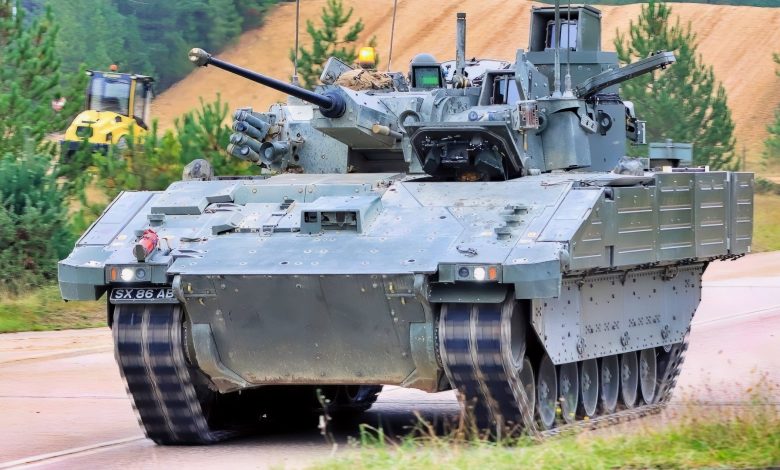
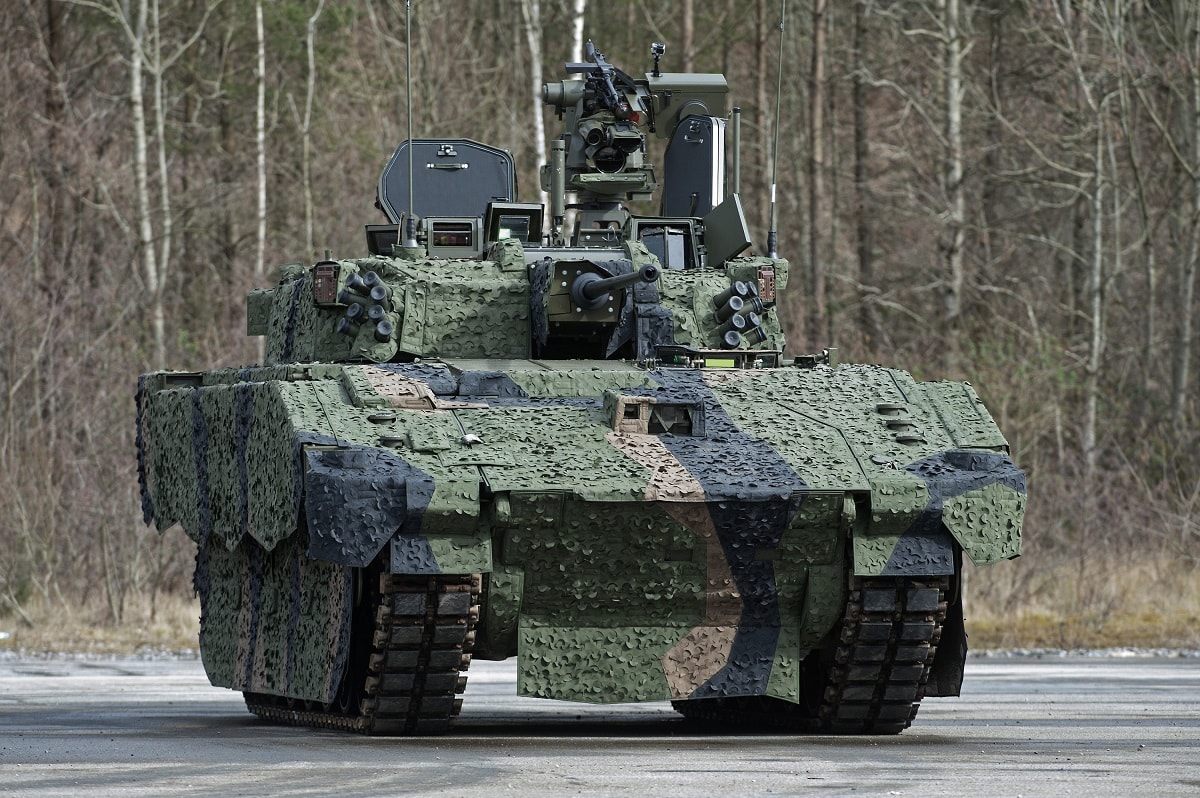
The British government has ordered 589 Ajax armored vehicles from defense manufacturer General Dynamics.
These include the turreted Ajax recon system, the Ares personnel carrier, the Athena command vehicle, the Argus engineer reconnaissance vehicle, the Apollo repair vehicle, and the Atlas recovery vehicle.
This is part of a multi-system program in which Britain is invested. It will replace the aging British Combat Vehicle Reconnaissance family.
Past Its Prime?
By its specs, Ajax has next-generation sensors, advanced digital communications, and all-important battlefield networking capabilities that make it another sensor node on the modern battlefield.
The British Ministry of Defense (MOD) signed the original contract with General Dynamics Land Systems-UK in 2014.
Ajax was supposed to enter British Army service in 2017 — nine years ago.
Noise and vibration became the biggest complaint among British soldiers who manned the platform during testing.
In December 2021, after years of testing the Ajax, the MOD identified 310 soldiers adversely affected by the noise and vibration they experienced while operating it.
Indeed, 17 of those soldiers remained under specialist outpatient care, 11 were recommended for long-term restrictions on noise exposure, and another 4 developed hearing problems while operating the Ajax.
After MOD ran its report in 2021, London halted trials and payments to General Dynamics. Government watchdogs then piled on, claiming that Ajax’s management was flubbed at the start of the six-billion-pound program.
Britain’s National Audit Office then accused the MOD of having failed to properly manage the program throughout its development cycle (a key responsibility of the NAO).
The 2021 reporting that halted the Ajax program led to a series of modifications and additional tests, resulting in the trials resuming in 2023.
Claiming they were now satisfied with the product, the British Army declared the Ajax had reached Initial Operating Capability in November 2025.
Problems Return: Exercise Titan Storm
During Exercise Titan Storm in November 2025, however, 35 British service members who operated 23 Ajax-family vehicles reported symptoms resembling the previous noise and vibration complaints.
Once more, the MOD suspended Ajax.
The British Army Safety Investigation Team reported there was no single cause for the vomiting, hearing problems, and uncontrolled shaking exhibited by the 35 British service members in question.
Investigators claimed the noise and vibration measurements were below legal exposure limits.
They said a combination of technical, environmental, and human factors was the real culprit behind the illnesses reported by the 35 British service members who used the Ajax-family vehicles during Exercise Titan Storm last year.
In fact, those 35 service members have since been returned to normal duty with no further reported health problems.
In April of this year, MOD announced it would continue the program.
The 23 vehicles that participated in Exercise Titan Storm last November were not included in the initial restart.
An independent panel of 51 experts concurred with the MOD’s assessment and plan to gradually limit acceptance of the Ajax system.
As of July, 16 additional vehicles have been accepted. Trials have restarted, and British Army training on the Ajax system is set to resume.
The Army still intends to acquire all 589 vehicles, with full operational capacity scheduled for 2028, 11 years after the vehicles were supposed to begin their service life.
The real reason that Ajax is moving forward, though, is because the British government invested heavily in the system.
It requires this platform.
The delays have created all manner of strategic gaps in the British Army, forcing the military to keep committing to the vehicle, even if it is deeply flawed.
Is the Defense Industrial Base Broken?
Here again is a painful reminder that the entirety of the Western defense industrial base is hopelessly broken. Soldiers’ health is being sacrificed for a timetable.
Defense firms that may have created a dangerous product are effectively being given a pass because the British Army needs the system now more than ever, and MOD can no longer waste time or money creating a new, better–safer–system for their troops.
So, the British will embrace a stiff upper lip and move forward.
We won’t know whether the British government’s claims that the problems have been resolved are accurate until many years later, by which time the damage may already be done. But this is the state of play in most of the defense industrial bases in the West.
About the author: Brandon J. Weichert
Brandon J. Weichert is the Senior National Security Editor at 19FortyFive.com. He also manages The Weichert Brief on Substack. Weichert also hosts “National Security Talk” on Rumble. He is the author of four bestselling national security books, the most recent of which is A Disaster of Our Own Making: How the West Lost Ukraine (Encounter Books). Follow him via Twitter/X @WeTheBrandon.