The US Navy’s Iowa-Class Battleships Cost a Fortune for a Few Years at Sea. NASA’s SR-71 Blackbird Is Next

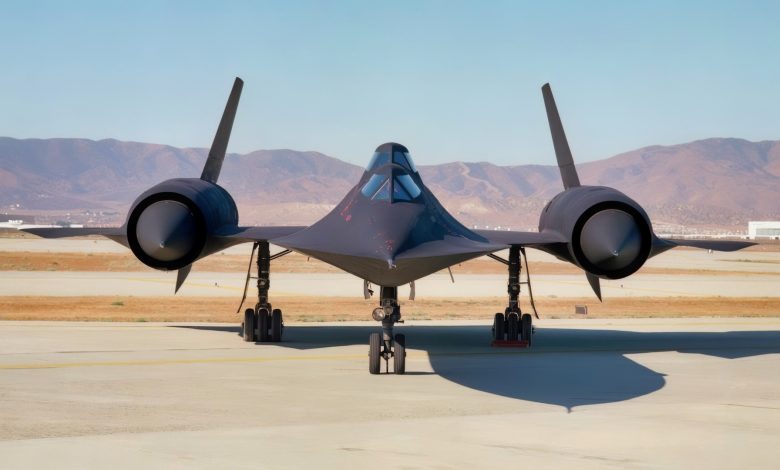
Summary and Key Points: NASA has moved an SR-71 Blackbird from its display stand at Edwards Air Force Base into a hangar and is assembling a team to put it back in the air. According to reporting in Aviation Week, the agency has approached former SR-71A personnel for help. That is the tell. The aircraft can be found — there are Blackbirds in museums across the country in decent cosmetic shape. What cannot be found on a shelf is the several hundred people who knew how to keep one flying, and NASA is going looking for them by name.
The Great SR-71 Blackbird Comeback?
Anyone who has ever tried to repair an older car or truck, whether out of need or as a hobby, immediately runs into three related problems. First, older equipment tends to break down without maintenance, even when not in use.
Materials deteriorate, fluids congeal or dry up, and mechanical calibration is lost
. Second, replacement parts even for common models become scarce, difficult to source, and expensive.
Finally, no one remembers how to repair the equipment. Mechanics retire or move on to more modern models, losing the expertise that they once possessed.
What It Would Take
Now imagine that instead of repairing a 1975 Chevy Scottsdale, you’re attempting to put a stealthy super-jet back in the air. All of these problems are afflicting NASA’s curious quest to restore an SR-71 Blackbird to service.
As Stephen Trimble details in a recent Aviation Weekly feature, a Blackbird on display at Edwards Air Force Base has been moved into a hangar, and NASA is attempting to build a team capable of getting the plane back into the air.
SR-71 Art from U.S. Government Archive.
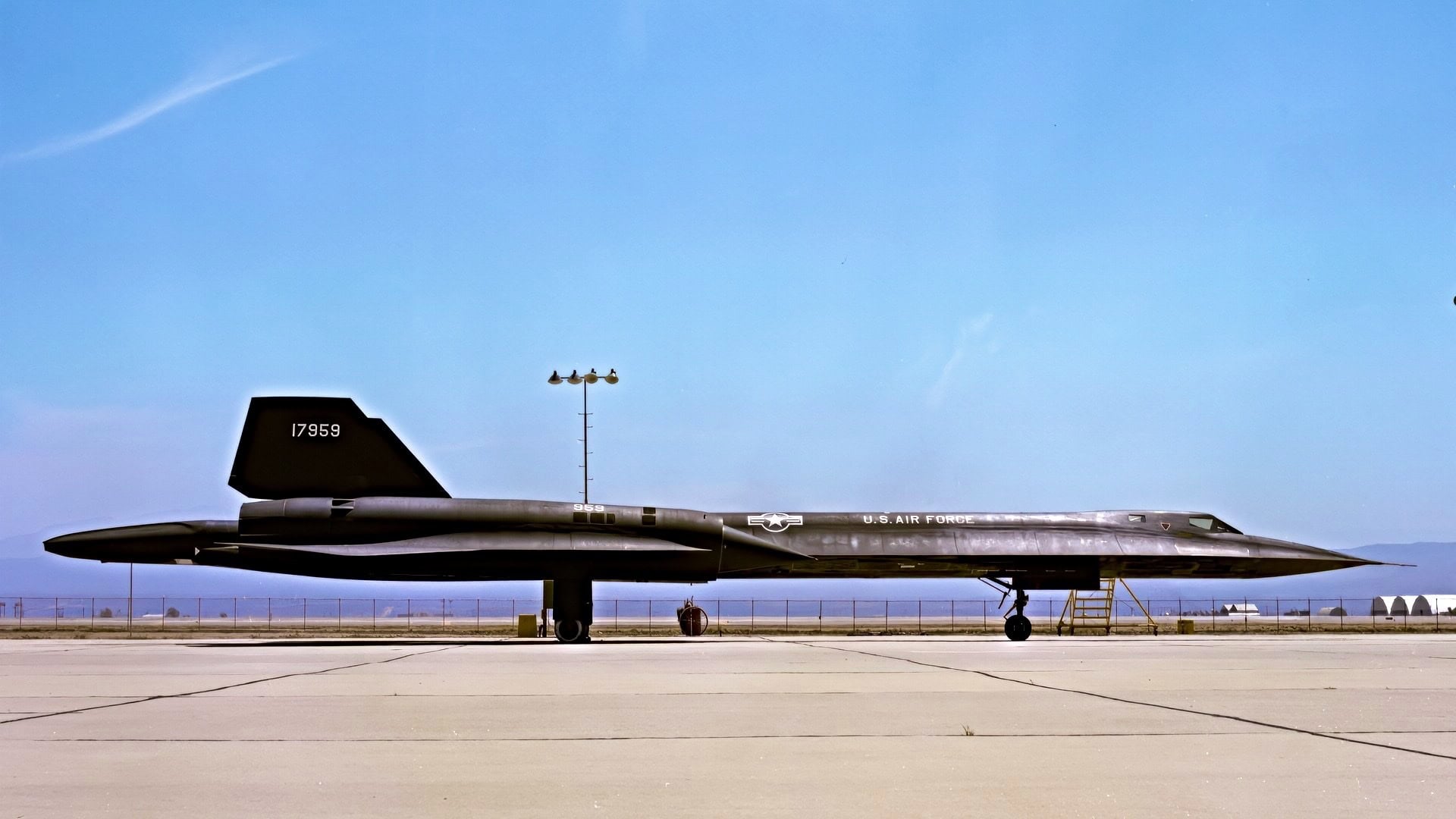
SR-71A 959 Big Tail
Lockheed Photo # C76-1097-4
According to NASA Administrator Jared Isaacman, the agency is interested in an aircraft with the SR-71’s high-speed, high-altitude characteristics for experimental purposes. There are several Blackbirds available at museums around the country, most in relatively decent visual condition. But underneath the hood, the situation is much grimmer: engines haven’t been run in decades, water has done its destructive work, and the expertise needed to maintain these complex, difficult aircraft has disappeared.
‘All Things Are Possible’
Nevertheless, with enough money and enough time, all things are possible.
Russia and Ukraine have put extraordinary effort into restoring older examples of aircraft, tanks, and other vehicles to a degree of combat readiness. Even when a particular vehicle is beyond hope, it can often be cannibalized for spare parts to make its siblings functional.
Indeed, Russia has even managed to restore the Tu-160 strategic bomber production line to some level of productivity, although it remains to be seen how many functional aircraft will ever enter actual service.
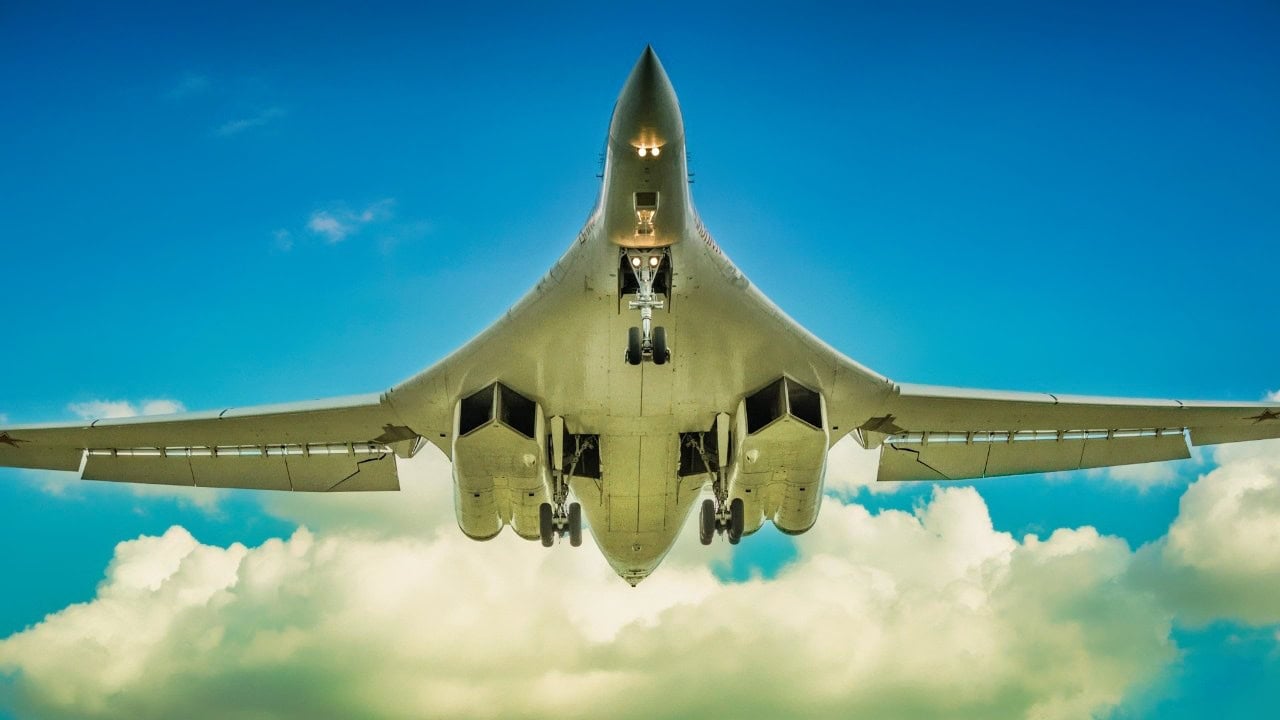
Tu-160 Bomber from Russia. Image Credit: Creative Commons.
The Iowa-Class Battleship Case
The same experience faced engineers in trying to restore the Iowa-class battleships to service in the 1980s.
Indeed, the immense expense of that project, which yielded only a few years of active service from the four battleships, helped dissuade the Navy from keeping substantial numbers of older ships in reserve, as had been the practice in the 1940s and 1950s.
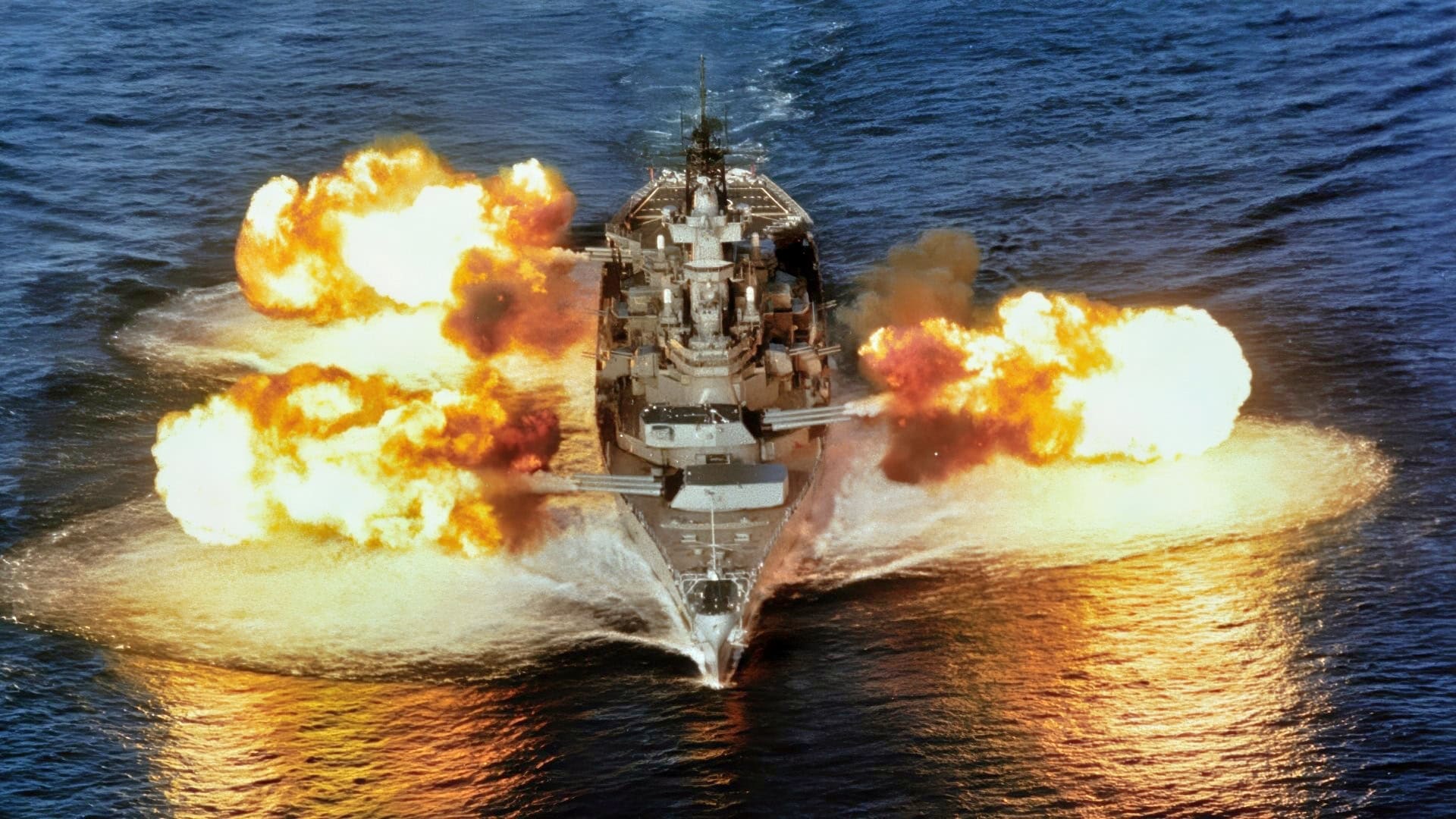
Iowa-Class Battleship Firing Creative Commons
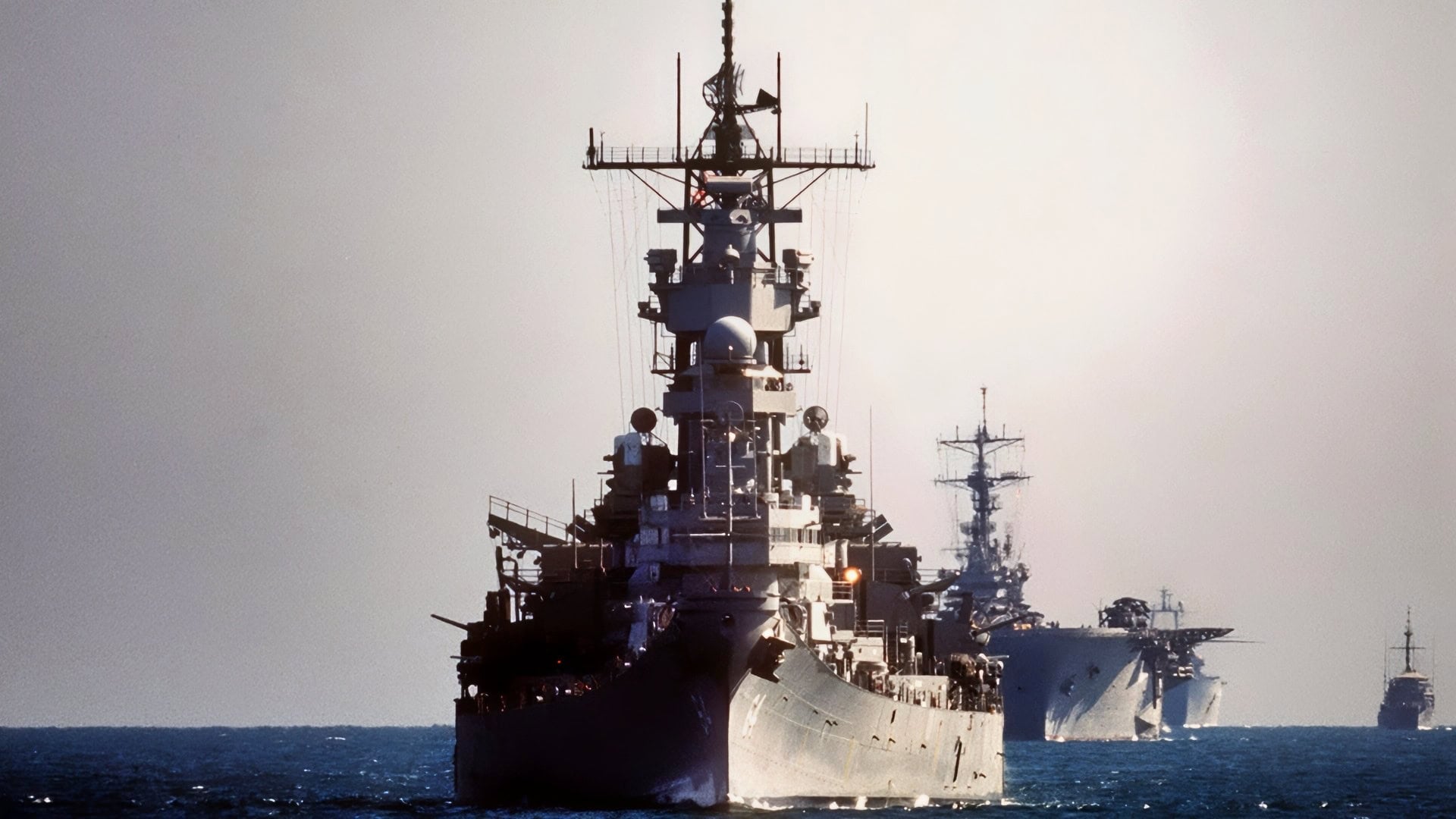
USS Wisconsin Iowa-Class Battleship Creative Commons Image
Modern warships are rapidly cannibalized for parts and often sunk as targets, rather than serving long lives in the reserve fleet.
Indeed, USS Nimitz (CVN-67) will be decommissioned next year after 50 years of service. When she retires, an immense store of human capital will begin to deteriorate almost immediately.
What the Recent Past Teaches
This is also one reason why the Air Force has already resumed buying new F-15s and is exploring the possibility of acquiring new F-16s, despite the fact that hundreds of examples of each type are available at the Davis-Monthan Boneyard. Newer models can incorporate new technologies organically and leverage advancements in materials science.
Restoring these production lines is possible because models of both aircraft have been continuously manufactured for export, a distinction that the F-22 Raptor does not enjoy. The production line for the Raptor has suffered the same fate as most of the SR-71s: a long layoff that degrades both the equipment and the human expertise needed to make it hum.
Despite all of these difficulties, the excitement in the aviation community about bringing an SR-71 back into service is almost palpable. It will take a long time to get any Blackbird airworthy, and the expense may prove daunting for an agency that has other priorities.
Nevertheless, making a Blackbird airworthy would be an achievement that garage grease monkeys could only dream of.
About the Author: Dr. Robert Farley
Dr. Robert Farley has taught security and diplomacy courses at the Patterson School since 2005. He received his BS from the University of Oregon in 1997, and his Ph. D. from the University of Washington in 2004. Dr. Farley is the author of Grounded: The Case for Abolishing the United States Air Force (University Press of Kentucky, 2014), the Battleship Book (Wildside, 2016), Patents for Power: Intellectual Property Law and the Diffusion of Military Technology (University of Chicago, 2020), and most recently Waging War with Gold: National Security and the Finance Domain Across the Ages (Lynne Rienner, 2023). He has contributed extensively to a number of journals and magazines, including the National Interest, the Diplomat: APAC, World Politics Review, and the American Prospect. Dr. Farley is also a founder and senior editor of Lawyers, Guns and Money.