I Am a Retired US Army Special Forces NCO: After More Than 2,000,000 Rounds of Testing, the FN SCAR Was No Favorite of US Special Forces
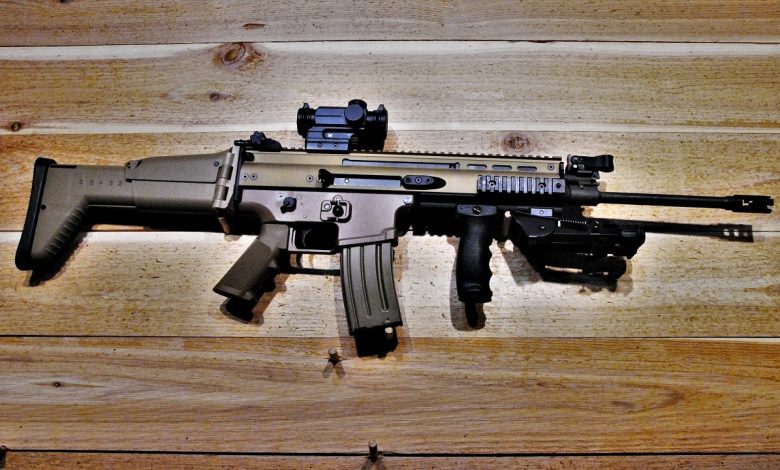
Some rifles win a competition. The FN SCAR won a competition, only to have to survive its own customers. The SCAR (Special Operations Forces Combat Assault Rifle) has been on SEAL Teams’ backs in Afghanistan, in movies, and in more video games than anyone can count. However, the version the frogmen came to love was never the one SOCOM expected to carry the load. The story of why says a lot about what special operators actually need from a rifle.
FN SCAR: A Rifle Built By Committee, In A Good Way
SOCOM wanted one family of weapons that could do everything.
The requirements called for interchangeable barrels, two calibers, and the ability to engage targets from 200 meters in close quarters out to 800 meters in the sniper role.
FN Herstal won the competition on November 5, 2004.
What FN delivered was two rifles that look like brothers and handle the same way.
The Mk 16 fired 5.56 NATO.
The Mk 17 fired 7.62 NATO. SOCOM’s goal was 90 percent parts commonality between the two, and FN reported more than 80 percent common parts and 100 percent common ergonomics.
A Mk 13 grenade launcher module rounded out the family.
FN SCAR 16S. Image Creative Commons.
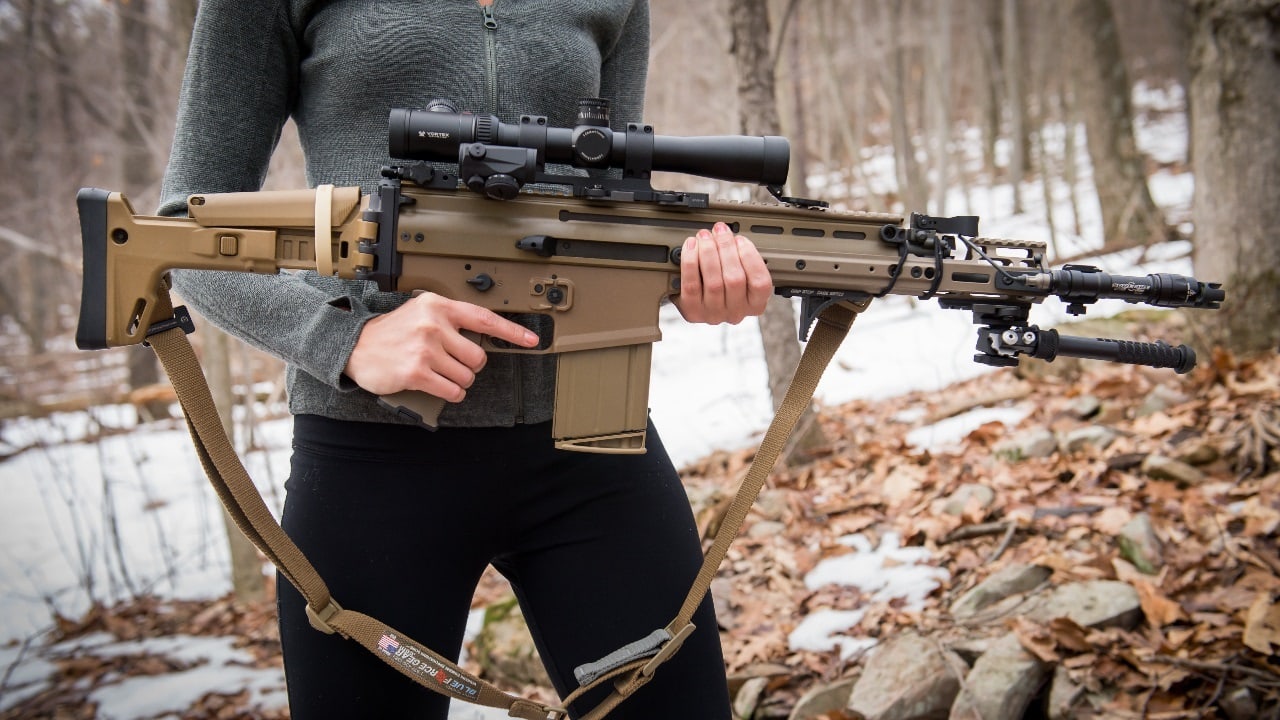
FN SCAR 17S. Image Credit: Creative Commons.
The testing was not casual.
The system fired over 2 million rounds between August 2005 and September 2008 in urban, jungle, winter, and mountain conditions, as well as in maritime environments, which matters to anyone who works from a boat. SOCOM approved it for production on April 14, 2010.
The Light Didn’t Last
Two months later, SOCOM pulled the plug on the Mk 16.
According to Military.com, the command decided the 5.56 SCAR did not provide enough of a performance advantage over the M4 to justify the money.
The same report noted that Naval Special Warfare had received the most Mk 16s of any component.
That hit the SEALs harder than most, because SOCOM, not the Navy, buys their weapons.
Units coming home had to turn in their Mk 16s and go back to SOPMOD M4s or HK416s.
The operators had their own complaints.
The folding stock collapsed under light impacts, earning the nickname “tactical UGG boot” (insert sarcasm font here).
The reciprocating charging handle sat close to mounted optics and skinned knuckles.
Heavy automatic fire heated up the lower rail fast, and a bad magazine could jam rounds into the operating rod channel badly enough to force a full teardown.
Those problems were specific to the Mk 16. The larger Mk 17 didn’t have the feeding problem.
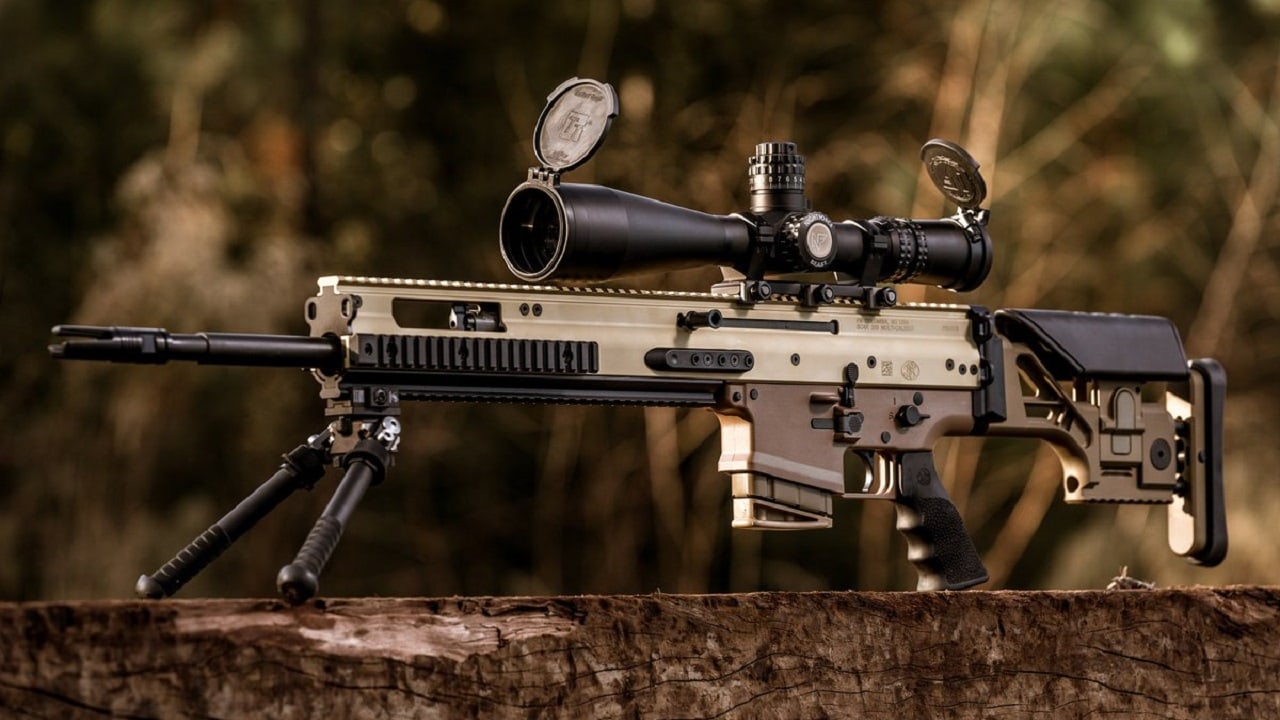
FN SCAR. Image Credit: Creative Commons.
Why The Heavy Stuck
So if the Light couldn’t beat the M4, why did the Heavy survive?
Because nothing else did its job as well.
The same Military.com report says SOCOM moved its money into buying more Mk 17s to fill a capability gap for a battle rifle.
The Mk 17 and its Mk 20 Sniper Support Rifle cousin were widely fielded by SOCOM in Afghanistan, where fights often opened across a valley at ranges where 5.56 out of a short barrel starts to struggle.
In my opinion, that’s the whole case for the Mk 17 in one sentence.
It delivers real 7.62 NATO performance, with enough energy to reach 800 meters and beyond, in a package that handles like a carbine.
I have fired it at a range, and it is an outstanding rifle, and it is easy to see why it is so popular with operators.
FN lists the Mk 17 at 7.9 pounds with a 16-inch barrel and a short-stroke gas piston, which is very light for a full-power battle rifle.
The side-folding stock makes it compact for boats and vehicles.
With 13-, 16-, and 20-inch barrel options, and a barrel change that takes six small screws, one receiver can cover a lot of missions.
The piston matters here too.
As with the HK416, it keeps hot gas and carbon out of the action, which helps a rifle keep running when it’s wet, sandy, and suppressed.
Balancing The Weight, Ammunition And Other Issues
None of that makes it perfect.
The reciprocating charging handle still bothers some shooters, and 7.62 means heavier ammunition and fewer rounds per load. Recoil is stout for its weight.
FN later fixed several of the Mk 16’s problems with a non-reciprocating charging handle, a stronger stock, and a tighter operating rod channel, but by then SOCOM had already dropped the Light.
The commercial market has also moved on.
FN ended production of the legacy civilian SCAR 16S, 17S, and 20S on October 16, 2025.
However, FN Herstal in Belgium still produces military SCARs and is working on successors.
The SCAR was supposed to be a family of rifles that did everything. It ended up as one rifle that did one thing very well, and for the SEAL Teams operating in a continuous war environment, that was enough.
About the Author: Steve Balestrieri
Steve Balestrieri is a National Security Columnist. He served as a US Army Special Forces NCO and Warrant Officer. In addition to writing on defense, he covers the NFL for PatsFans.com and is a member of the Pro Football Writers of America (PFWA). His work was regularly featured in many military publications.