I Am a Retired US Army Special Forces NCO: There Is Nothing Like the Glock 17 with Police and Military’s Around the World Proving the Point

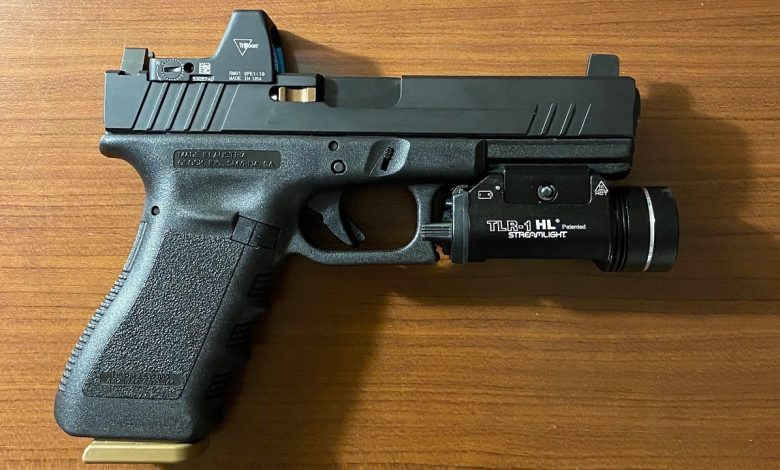
The Glock 17: The Plastic Pistol That Conquered the World: When Gaston Glock, an Austrian engineer with no prior background in firearms design, submitted his pistol design to the Austrian military in 1982, few could have predicted it would become one of the most influential handguns in modern history.
Yet more than four decades later, the Glock 17 remains a benchmark against which nearly every modern semi-automatic pistol is measured.
Glock 17 Gen4. Image Credit: Creative Commons.
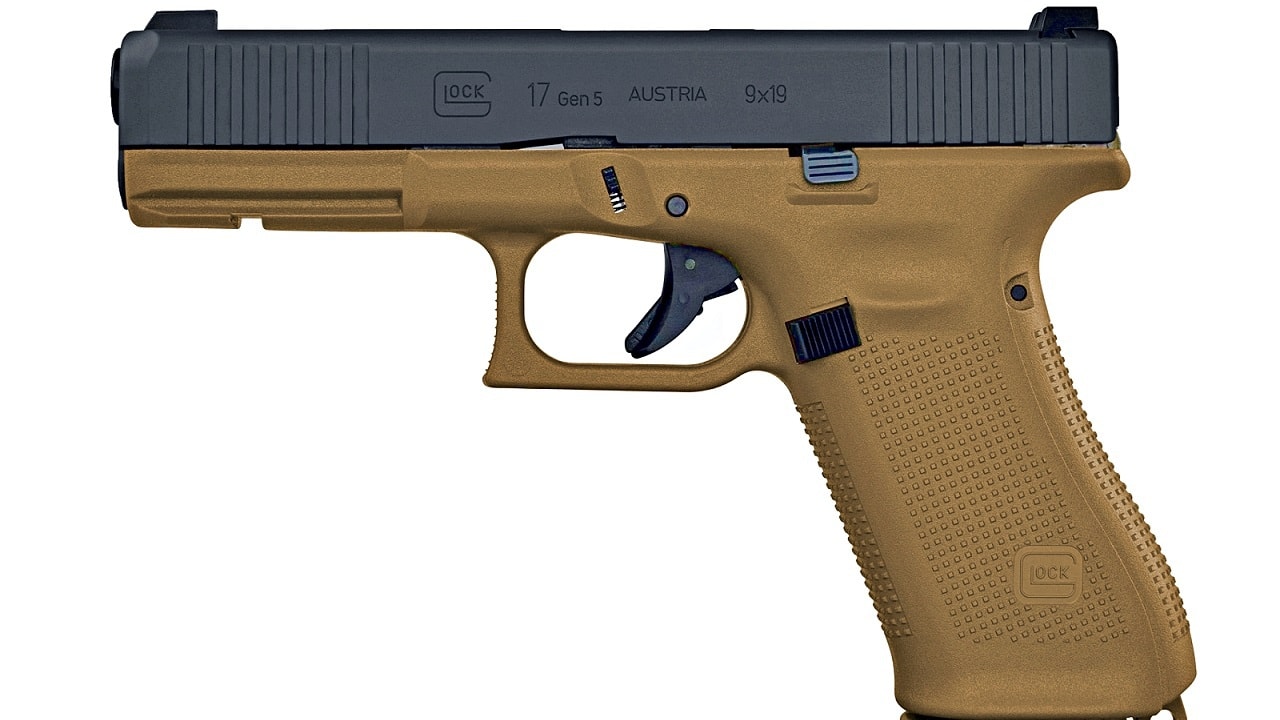
Glock 17. Image Credit: Creative Commons.
Its popularity among law enforcement, military units, competitive shooters, and civilian gun owners alike stems from a combination of engineering innovation, reliability, and savvy business decisions that reshaped the firearms industry.
Glocks inspire that incredible loyalty for a good reason. They are reliable, shoot well, are durable, and are versatile.
These specialized striker-fired polymer pistols have seen widespread adoption across various government agencies, from law enforcement (local, state, and federal) to the Armed Forces, where Glocks have become quite popular with SOCOM’s special operators.
An Unlikely Origin Story
Gaston Glock ran a factory that produced curtain rods, knives, and other small hardware items. When the Austrian Army announced it was seeking a new sidearm to replace the aging Walther P38, Glock saw an opportunity.
Despite having no experience designing guns, he assembled a team of firearms experts, studied existing designs, and patented his first pistol in 1982.
Remarkably, the Glock 17 (so named because it was Glock’s 17th patent and because of its magazine (17+1 capacity) went from concept to military adoption in about a year, winning the Austrian trials in 1982 and entering service in 1983.
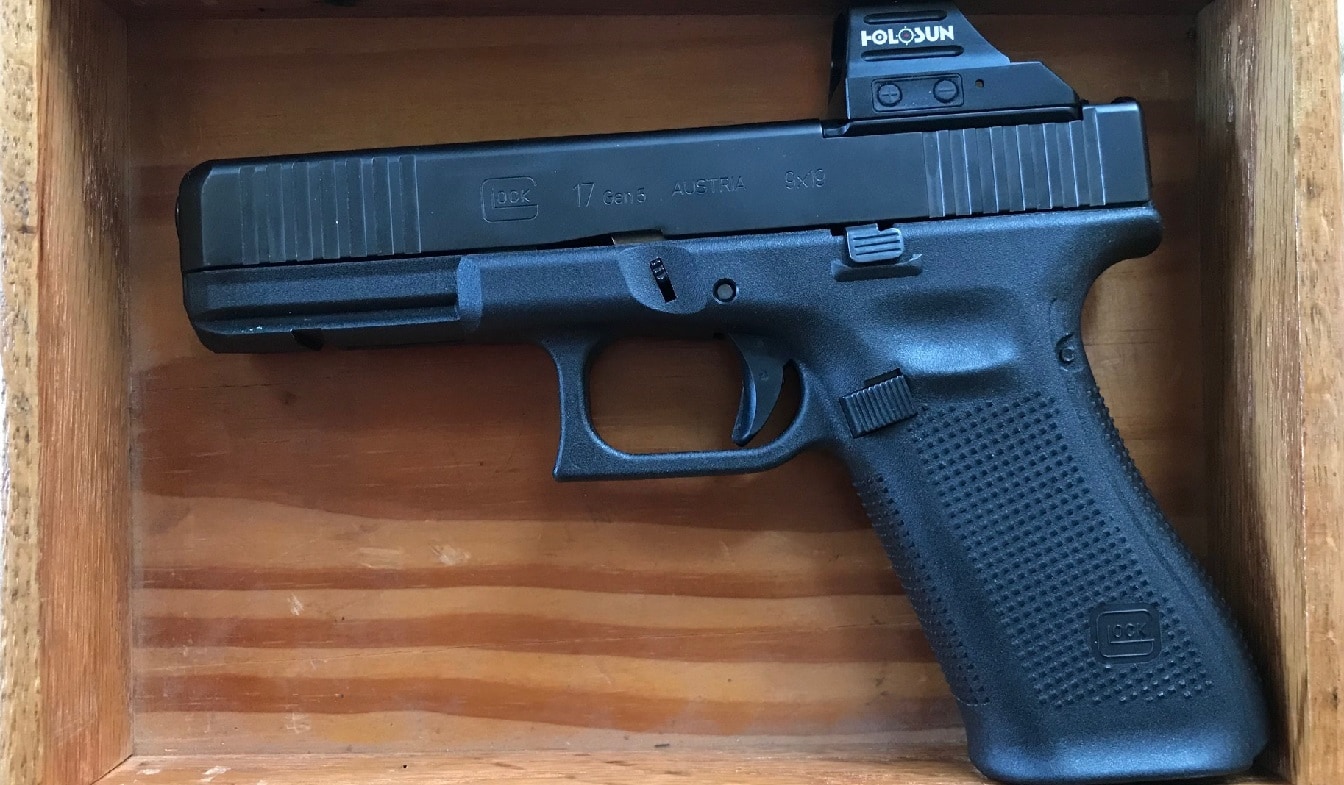
Glock 17. Image Credit: Creative Commons.
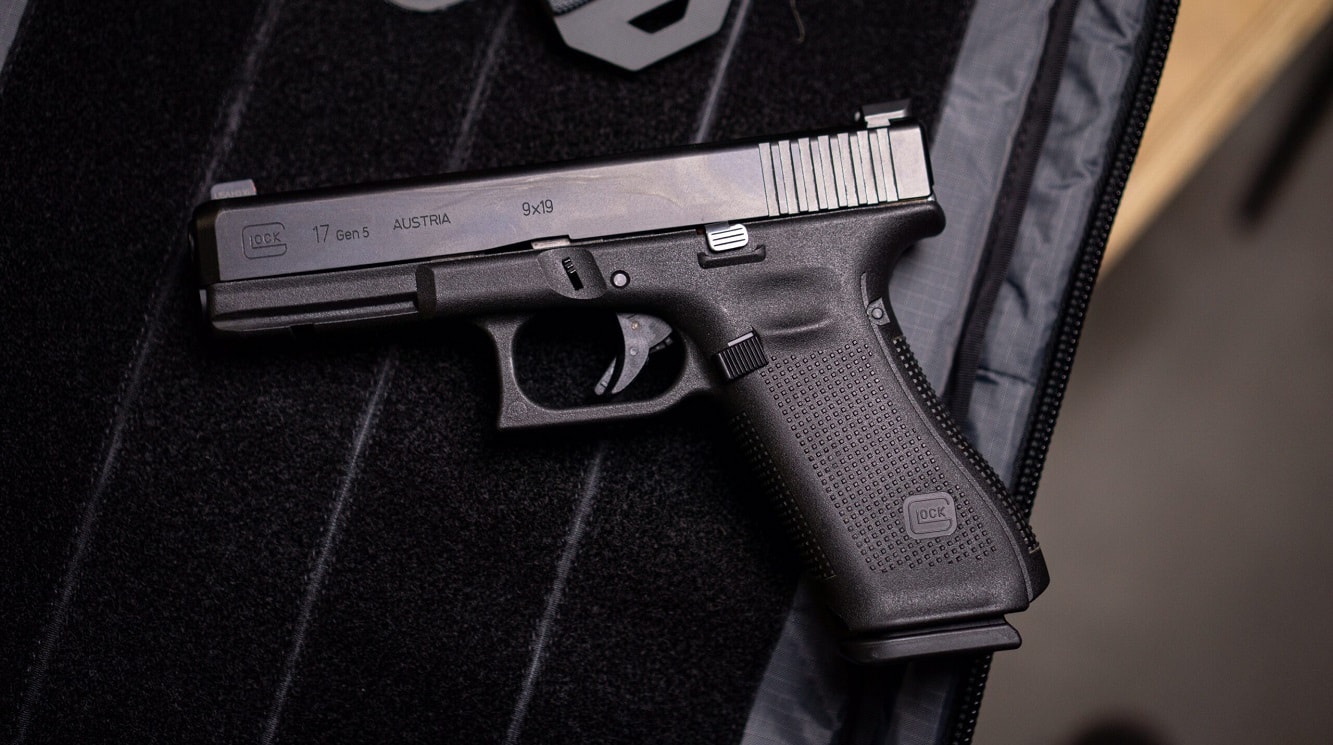
Glock 17. Image Credit: Creative Commons.
The G17—the one that started it all for Glock in 1982—is one of the most popular and user-friendly weapons on the market today. With the Gen 5, Glock has improved the ergonomics and shored up its internals, making a near-perfect handgun even more desirable.
The first of its kind, the Glock 17 (G17) was superbly engineered with its lightweight, durable polymer frame. A full-size, 9mm model, the G17 is an iconic combat pistol for a reason.
This is a great combat, self-defense pistol. And one that I’ve put thousands of rounds downrange. Its stellar reputation is well-deserved.
Revolutionary Design Choices
What made the Glock 17 stand out wasn’t flashy features but a series of practical engineering decisions that solved longstanding problems with traditional handguns.
The polymer frame was perhaps the most controversial innovation. At a time when handguns were made almost exclusively of steel, Glock’s use of a high-strength polymer frame seemed radical, even risky.
Critics feared the material would be unreliable or unsafe (including here). In practice, the polymer frame proved durable, lightweight, and corrosion-resistant, while also reducing manufacturing costs. This design choice alone influenced an entire generation of firearms manufacturers to follow suit.
The simplicity of the design was another key factor. The Glock 17 has remarkably few components compared to traditional pistols, around 34 parts, versus the 60-plus found in many contemporary designs.
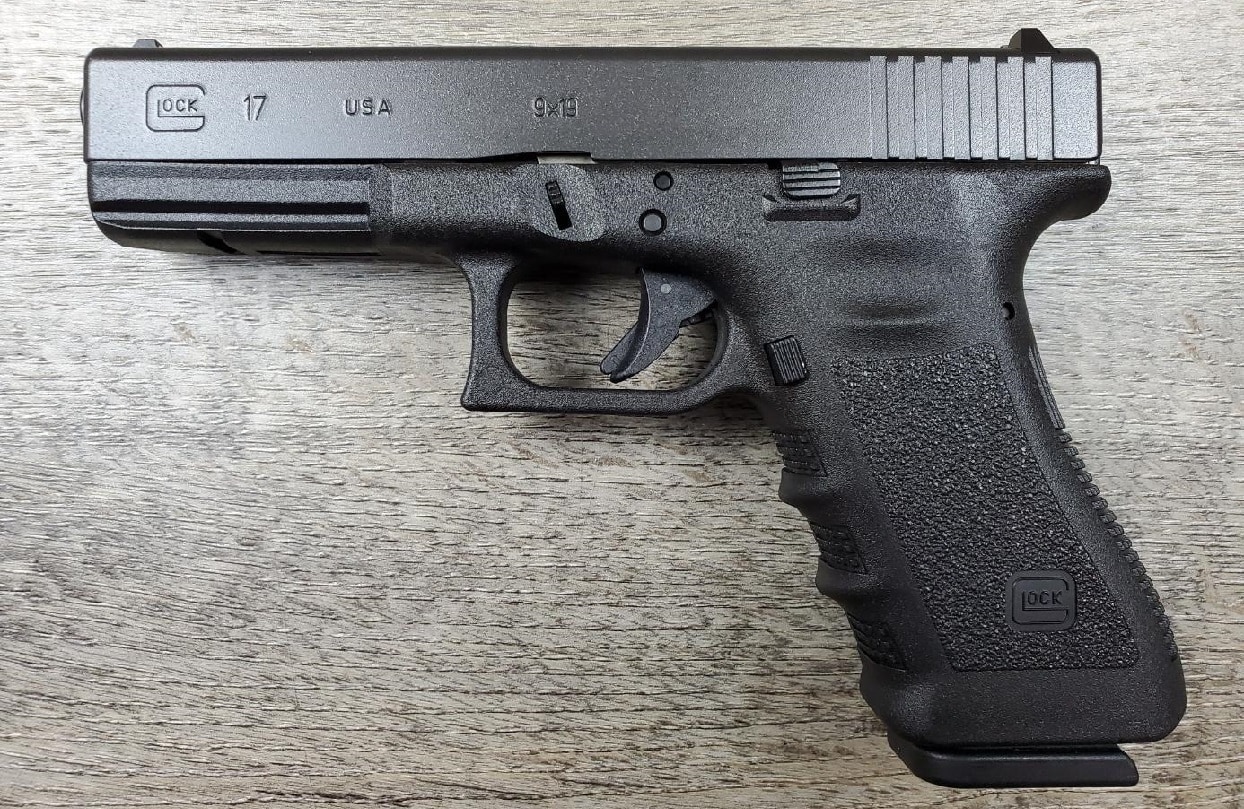
Image: Creative Commons.
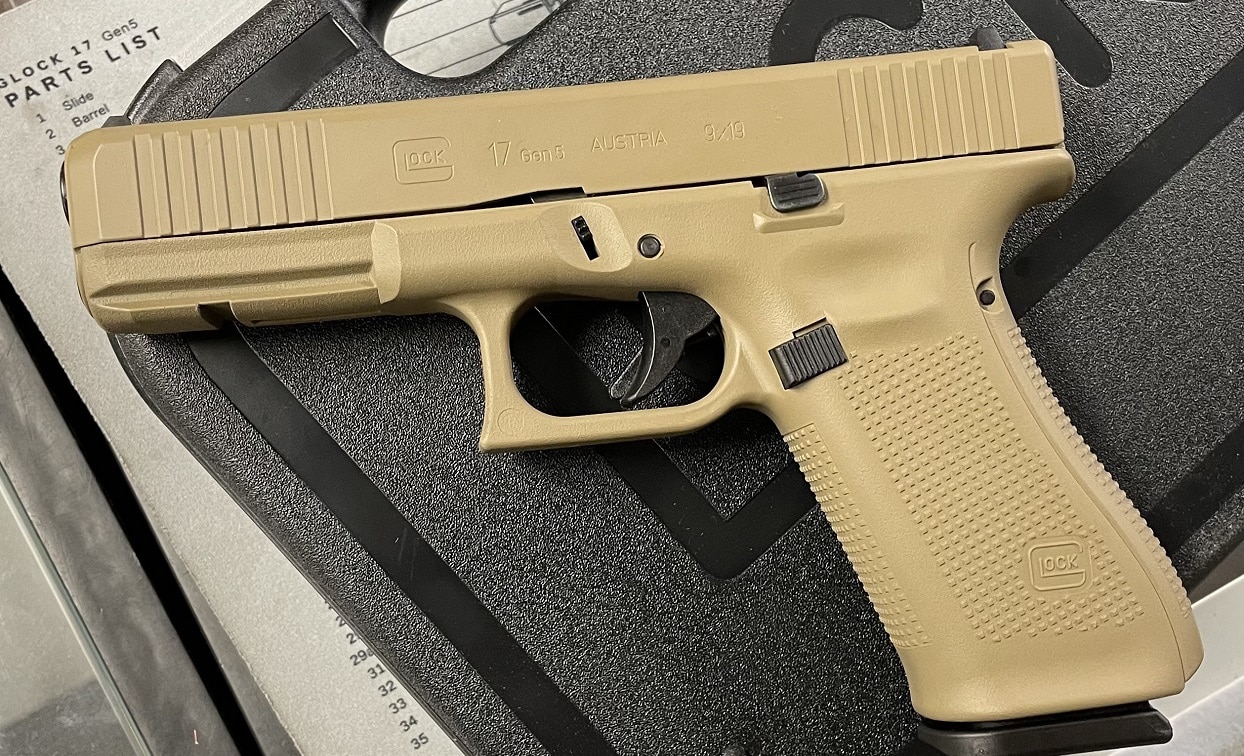
Glock 17. Image Credit: Creative Commons.
Fewer parts mean fewer points of failure, easier maintenance, and lower production costs. Soldiers and police officers could field-strip and reassemble the weapon quickly, even under stress.
The Safe Action trigger system eliminated the need for external manual safeties, a departure from convention that some initially viewed skeptically.
Instead, Glock built three internal passive safeties directly into the trigger mechanism: a trigger safety, a firing pin safety, and a drop safety. These deactivate only when the trigger is deliberately pulled, meaning the pistol won’t fire if dropped or bumped.
This system offered a balance between simplicity and safety that appealed to users who needed a weapon ready to fire instantly without fumbling for a safety lever.
Reliability Under Pressure
Perhaps the single greatest reason for the Glock 17’s enduring reputation is its legendary reliability. The pistol was designed to function in adverse conditions: sand, mud, extreme temperatures, and minimal maintenance.
Torture tests conducted during military trials, and repeated in countless independent reviews since, showed the Glock 17 firing thousands of rounds with minimal cleaning and few malfunctions.
For military and police users, whose lives may depend on a weapon functioning under the worst possible circumstances, this reputation for reliability became a decisive selling point.
Law Enforcement Adoption Further Fueled Its Popularity
The Glock 17’s adoption by law enforcement agencies played a major role in cementing its popularity. In the mid-1980s, American police departments were transitioning away from revolvers toward semi-automatic pistols, largely due to the need for greater ammunition capacity in increasingly dangerous confrontations.
Glock entered the U.S. market in 1986, and the pistol’s high-capacity 17-round magazine, light weight, and straightforward operation made it an immediate favorite.
Today, it’s estimated that 65 percent of U.S. police departments issue Glock pistols, with the Glock 17 and its variants being especially common. Some of the major metro PD carrying Glocks include NYC, Miami, Chicago, Philadelphia, Dallas, and Houston.
Cultural and Commercial Impact
The Glock 17 achieved something few firearms manage: it became a cultural icon. It has appeared extensively in films, video games, and television, often used as shorthand for a modern, no-nonsense handgun.
This pop-culture visibility, combined with genuine popularity among competitive shooters and civilian buyers, helped make “Glock” nearly synonymous with “pistol” for a generation, much as “Kleenex” became synonymous with “tissue”.
A Lasting Legacy
More than 40 years after its introduction, the Glock 17 remains in production and is widely used by military forces, police agencies, and civilians in more than 100 countries. Its combination of simplicity, reliability, and manufacturing efficiency created a template that competitors have spent decades trying to replicate.
Few products in any industry can claim to have so thoroughly redefined their category, but the Glock 17’s influence on modern handgun design remains undeniable.
If a full-size handgun is needed for a duty pistol or self-defense, the Glock 17 is hard to beat.
About the Author: Steve Balestrieri
Steve Balestrieri is a National Security Columnist. He served as a US Army Special Forces NCO and Warrant Officer. In addition to writing on defense, he covers the NFL for PatsFans.com and is a member of the Pro Football Writers of America (PFWA). His work was regularly featured in many military publications