Fires, explosions, and mass cullings are eating holes in America’s food system. Potato processors glow orange at midnight. Poultry houses go up like matchboxes. A single recall shutters a mega plant and baby aisles empty in days. Officials keep saying accidents happen. That is true. It is also true that our food supply is built like a chain of glass links. When one shatters, the crack travels fast.
This is not a campfire story. It is a blunt look at how quickly a modern, centralized system can fail, and what that failure looks like at your dinner table.
What keeps catching fire
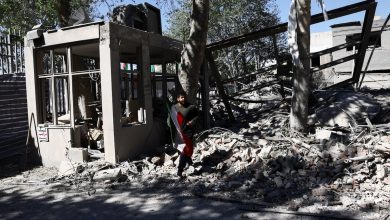
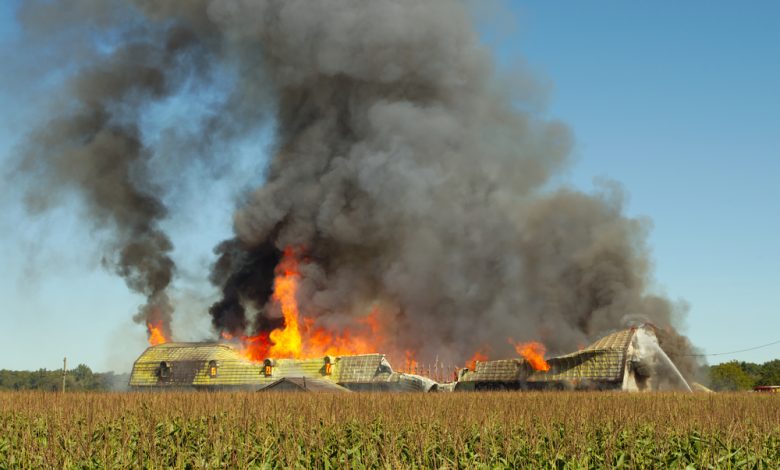
In a typical year, industrial sites burn. The part everyone feels in the stomach is the clustering, the scale, and the timing. A boiler blast takes out a snack plant in Oregon. A mechanical failure turns a potato facility in Maine into a charred shell. A produce processor in California burns during maintenance. A frozen foods factory in Arkansas goes dark while crews rebuild. Meanwhile, egg farms ignite in winter and spring, and whole flocks die in a single afternoon.
Investigators rarely find a saboteur. They find heat, dust, oil, belt friction, and human error. That should not comfort you. It means the threat is built into the daily grind. Sparks, lint, and grease do not need a motive. They only need a moment.
Now stack that on top of disease. Avian influenza has already erased tens of millions of birds since 2022. Add a barn fire here, a breaker trip there, and you create pockets of scarcity that jump state lines through price.
Why a single plant can choke a nation
We built speed and efficiency by consolidating capacity. It works like a dream until the lights go out in the wrong building.
When a giant beef plant in Kansas burned in 2019, about one in twenty pounds of U.S. beef processing capacity vanished overnight. Cattle backed up at the feedlots. Prices jolted. Supermarket coolers did not go empty everywhere, but the shock rippled from pasture to plate in days.
The infant formula crisis was the same lesson with a sharper edge. One plant closed for contamination. One in five cans of formula disappeared from production. Shelves stripped bare. Parents drove hours and cried in pharmacy aisles. That was not a decade of collapse. That was a single facility with a problem, inside a system that had no slack.
This is the part people do not like to hear. Just in time means just in trouble. When capacity is tight and demand is steady, one fire, one flood, one cyberattack, one recall turns the whole machine brittle.
How the failure reaches your house
It does not always look like an empty aisle with yellow tape. Often it is a slow tightening that most people feel as a dull ache in the wallet and a nagging sense that choices are shrinking.
First the sale disappears. Then the limit signs go up. Next week the cheaper brand is gone, and the high price becomes the new normal. Maybe your store still has eggs, but the carton costs twice what your brain thinks eggs should cost. Maybe the meat case is full, but the cuts you cook are not there. You can still buy food. You cannot buy the same food, at the same price, whenever you want. That is how scarcity shows up in a country that still pretends things are fine.
Now picture the same pattern hitting during a heat wave, a hurricane outage, or a rail strike. Trucks wait. Cold storage warms. A pallet sits too long. One warehouse loses power and a river of food becomes garbage in a single afternoon. We live one thin layer above that outcome every day.
The window for action is small
If you wait for headlines that say collapse, you waited too long. By the time the news catches up, the price tag already did. Your options vanish in the same order every time. The shelf clears of the cheapest staples. The good brands double. The stuff you never buy is all that sits there, and you grab it because that is what remains.
You do not have to let that script play out in your kitchen. You can build margin. You can buy time. You can feed your family while the system flails.
Build redundancy like your life depends on it
Grow food where you stand. A single raised bed produces more calories than most people think, and it teaches you the only skill that truly severs dependence. You learn what grows, what fails, how to save seed, and how many square feet it takes to keep a crisper full when trucks stop.
Preserve what you grow or gather. Canning, fermenting, and dehydrating turn fragile harvests into quiet insurance. A pantry full of jars blocks price spikes at the door. When the grid blinks, you still eat.
Create a deep pantry that rotates. Not a bunker fantasy. A working store of what you actually cook, measured in months not days. Rice, beans, oats, pasta, oils, salt, sugar, canned meat, broth, tomatoes. Duplicate your spices and coffee. Replace what you use. Watch the dates. You are building time, and time is food.
Diversify your sources. Meet farmers. Join a CSA. Split a half beef with friends. Trade tomatoes for eggs. When the national chain hiccups, the local web holds. When a local storm hits, your stored bulk and distant suppliers carry you. Redundancy is the opposite of panic.
Harden your cold chain. Own at least one way to keep food cool when power fails. A propane or solar fridge is excellent if you can swing it. If not, use earth and evaporation. A root cellar, a spring box, or a clay pot refrigerator will not save raw chicken for a week, but they will save a garden haul and stretch milk through the night. In a heat wave, that is the line between waste and dinner.
Protect water. Food without clean water is a dead end. Store it. Catch it. Filter it. If a plant fire is the spark and a blackout is the wind, water is the fire break that keeps a bad week from becoming a disaster.
Build a circle. Lone wolves starve. Tight neighbors eat. Share tools, seeds, knowledge, and watch each other’s six. The most resilient communities in hard times look a lot like old farm towns. Many hands, many skills, no one waits for a truck that may not come.
The honest warning
There may be no mastermind. There is definitely a pattern. Centralized capacity, aging equipment, labor shortages, disease pressure, extreme weather, cyber risk, and razor thin inventories all feed the same fire. The system works right up until it does not, then it fails fast, and it fails where families feel it first.
You do not control the plant, the rail yard, or the grid. You control your preparation. If you move now, this wave becomes noise. If you wait, it becomes your life. Plant something. Can something. Add twenty pounds of staples every time you shop. Learn one preservation method this month. Meet one grower this week. Small habits compound. Fear fades when the shelves in your own house tell you the truth.
The food system is giving you a warning. Treat it like one.