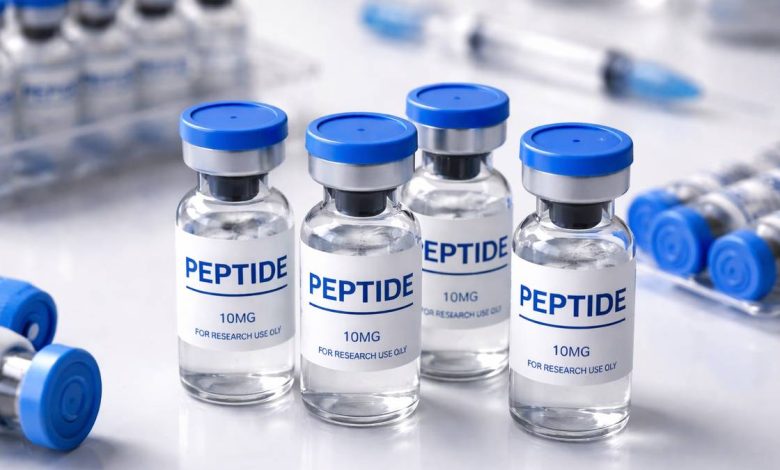
A congressional lawmaker has taken a step toward veterans, military service personnel and first responders achieving government-approved access to controversial peptide therapies. Not everyone is on board.
Rep. Nancy Mace (R-S.C.), who is leaving Congress after this current term, recently introduced the Providing Evidence-based Peptide Therapies to Improve Delivery and Expanded Services for Veterans Act, or Peptides for Veterans Act, which would direct the Department of Veterans Affairs (VA) to officially start the research.
“Our veterans sacrificed everything to protect our country. The least we can do is make sure they have access to groundbreaking treatments,” Mace said in a statement. “The VA shouldn’t bury promising advancements in bureaucracy simply because they’re new.
“Study it. Test it. Follow the evidence. If it works, veterans deserve access. Washington’s red tape should never stand between a veteran and their chance to heal.”
Military.com reached out to the VA for comment.
Mace’s statement alludes to ongoing criticism of the VA, that the agency is slow to adopt new technology, treatments and medical advancements including peptides—which are described as chains of amino acids that function as building blocks for proteins in the body.
Bill Highlights Divide Over Peptides
There are more commonly used synthetic peptide treatments, including those for insulin to regulate blood sugar, otherwise known as GLP-1 diabetes and weight-loss medications.
Other hormone regulation peptides treat advanced prostate cancer, severe chronic pain, and specific endocrine or bone disorders like osteoporosis.
There remains a regulatory and scientific battle over unapproved synthetic peptides revealing a serious divide between career scientists at the FDA who oppose their widespread use.
Opponents cite safety risks while wellness advocates, telehealth companies and political figures push for broader consumer access.
‘Useless’ Legislation
One of the VA’s toughest critics surrounding peptide research and use is Jay Campbell, an influencer and six-time best-selling author of multiple books on peptides, including his latest, Living Leaner, Longer, Stronger, published in August.
Campbell, in an interview with Military.com, called Mace’s effort “a joke.”

“Peptides for Veterans Act,” calling Congresswoman Nancy Mace’s legislation, “a joke.” (jaycampbell.com).
“I think it’s useless,” he said. “She’s just a grandstanding politician who has absolutely no understanding of the FDA and the restrictive nature of getting peptides in front of the federal government or the VA-funded system.
“The VA is not good at that kind of stuff. They don’t understand hormones, they definitely don’t understand peptides. They’re just not up to speed on the latest therapeutics.”
Legislation Would Put Onus on VA to Act
Mace’s legislation may be a step in a positive direction if enacted.
The Peptides for Veterans Act would require VA Secretary Doug Collins to conduct a comprehensive review of existing regulations and guidance surrounding peptides and submit a report to Congress within 180 days.
Following the review, the VA will carry out an 18-month study examining peptide-based therapies as potential treatments for recovery, rehabilitation, chronic pain, mental health, physical wellness, and other service-connected conditions.
The bill also states that if the study determines peptide-based therapies are safe and beneficial, the legislation directs the VA to launch a pilot program involving volunteer veterans to evaluate real-world outcomes and assess potential for large-scale implementation across VA medical facilities.
Skepticism Still Exists
But even with that, Campbell remains skeptical—partially due to his own experience.
He told Military.com that he was involved in a government panel in 2017, where they wanted to start bringing hormones to veterans. It was ultimately delayed.
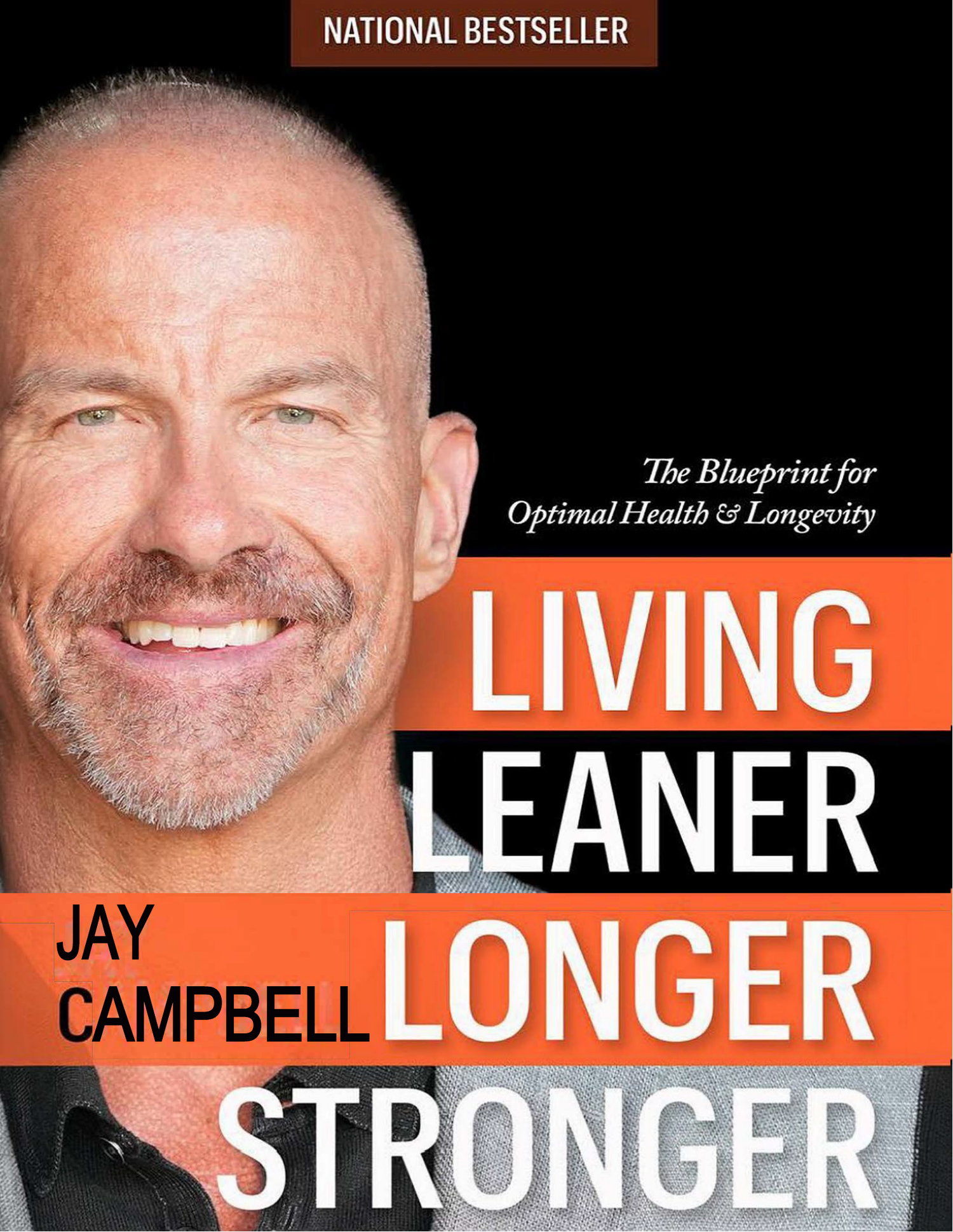
“It wasn’t until April of this year that they finally started making hormones available to veterans,” Campbell said. “Now we’re going to rely on the Veterans Administration to provide peptides to veterans? They’ve already indicated, as recently as July of this year at a peptide policy committee meeting, that they have no interest in it. Literally every FDA scientist voted against it. I mean, it’s like they don’t care.”
Campbell’s claims were mirrored in a July report by Reuters, which noted that outside advisers to the Food and Drug Administration recommended broader access to six unapproved peptides at a two-day peptide policy review committee meeting.
Those outside advisers backed the safety of most of the peptide compounds despite FDA staff concerns and opposition over limited safety and effectiveness data. Full FDA consideration is pending.
“It would be great if the United States federal government, under the auspices of the FDA, started studying peptides,” Campbell added. “But I think what Congresswoman Mace is putting out there is very altruistic.
“I struggle to see how it’s going to go from the inception of where it’s at now, to actually being made available through the VA to military veterans or first responders or military service personnel. The VA is always the last to get it right, the last to fix it.”
Limited Government Research On Peptides
Campbell told Military.com he has spent 25 years doing what mainstream medicine and the federal government have not: testing, documenting, and teaching the real protocols behind hormone optimization and peptide therapy.
He said the sticking point has always been the lack of a scientifically evaluated, peer reviewed, randomized facility-controlled trial study in the U.S.
“There is [sic] 65 years of reported scientific peer review research in Russia and Bulgaria,” Campbell said, adding that those studies are easily available and applicable in the U.S. “But then you have a person like me. I’ve been using therapeutic peptides since 2003.
“I’ve been using them with myself, my wife, and with the thousands of people online that I influence. They’ve had amazing results, life-transforming results. That can’t be ignored.”

What both Campbell and Mace seem to agree on is that the federal government, namely the VA, has been stalling widespread peptide availability for years.
“The VA bureaucracy has stood between veterans and the care they earned for too long,” Mace said in a statement. “If peptide therapies can help veterans manage pain, recover faster, or improve their mental and physical health, they deserve the treatment.”
Campbell said he’s convinced peptides will make a difference for military members and veterans, since he’s firsthand seen and experienced the benefits.
“There’s no doctor out there that will directly evaluate whether a patient will benefit from peptide use,” he said. “We’re just not there yet. But as the end user or patient, you have to understand how to use these as tools for optimal health.
“They’re not magic bullets or easy buttons. You have to understand how to use peptides in the context of your own life.”