Saudi Arabia Is Getting the F-35 Fighter. That Means Israel Could Get the F-47 NGAD Stealth Fighter Built by Boeing


F-35 for Saudi Arabia Could Mean F-47 NGAD for Israel: The news this week that the United States is preparing to sell Saudi Arabia the F-35, the world’s most advanced fifth-generation fighter jet, is significant for several reasons – and Israel just added an additional layer of complexity to the deal by moving to seek “compensation” to ensure it stays ahead of its neighbors in the Middle East.
On September 17, the State Department approved the potential $24.3 billion sale of 48 F-35A Lightning II stealth fighters to Saudi Arabia.
It’s a major shift in U.S. policy that would make the kingdom the second country in the Middle East to operate the aircraft, behind Israel.
Israel will still maintain an advantage, though, because its F-35s have been specifically modified to meet its own requirements.
The proposed sale is not yet definite and will require congressional approval, but for Israel, even the potential sale poses a long-term problem.
Israeli officials are already looking to seek additional weapons and capabilities from Washington to ensure that the country maintains a technological edge over its neighbors — and Boeing’s sixth-generation F-47 could be central to what comes next.
Israel’s Advantage: F-35I Adir Is Special
Israel has something no other Middle Eastern country does, or probably will: an operational fleet of fifth-generation stealth fighters adapted to its needs.
Even if Saudi Arabia receives the F-35, it is unlikely to receive the same adaptations and customization Israel did.
Its modified F-35I Adir lets the Israeli Air Force penetrate heavily defended airspace while remaining difficult for enemy radar to detect. Israel has also integrated its own technology into the aircraft and accumulated extensive operational experience flying it.
F-35I Adir serving in Israel’s Air Force. Image Credit: Creative Commons.
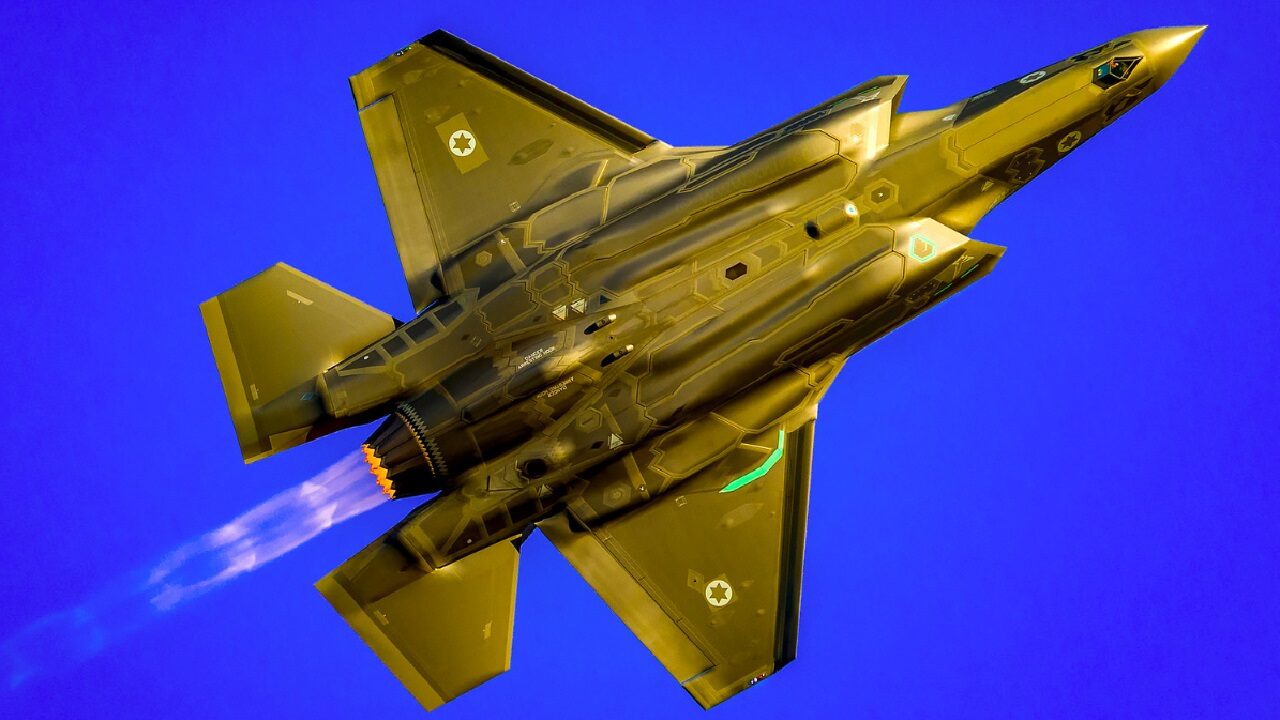
F-35I Adir. Image Credit: IDF Air Force.
Saudi Arabia obtaining 48 F-35s would not immediately rob Israel of that advantage, for a couple of reasons.
Not only would they be less customized, but they would also take years to deliver. Israel also maintains an advantage because its pilots and crews have years of training and experience with the aircraft.
Regardless, Israeli officials are now seeking additional U.S. capabilities as compensation for the sale and to protect its advantage in the long run.
Why Israel Wants to Stay Ahead
Preserving Israel’s “qualitative military edge,” or QME, is a longstanding part of U.S. policy.
Since 2008, it has also been written into American law.
It’s a policy that reflects Israel’s small population and territory compared to its potential regional adversaries.
So, rather than attempting to match larger countries numerically in terms of its assets, Israel has historically relied on its relationship with the United States to help it maintain an arsenal of superior weapons.
It has also relied heavily on its intelligence and training to deter military threats.
The Naval Vessel Transfer Act of 2008 requires the U.S. government, when proposing defense exports to another Middle Eastern country, to determine that the sale will not adversely affect Israel’s QME.
The law has influenced previous American arms sales, and Israel has typically received U.S. technology before neighboring countries, as well as advanced versions of shared platforms.
So, Saudi Arabia presents an interesting test of the law.
What Israel Is Looking For
On September 18, Israeli outlet Walla reported that Washington had informed Prime Minister Benjamin Netanyahu of its intention to sell the F-35s to Saudi Arabia.
The outlet also claimed that Israel is seeking “compensation” in subsequent procurement negotiations to ensure it maintains its QME.
Specifically, Israel is now expected to request access to weapons and systems that Washington has previously declined to sell to the country.

Shown is a graphical artist rendering of the Next Generation Air Dominance (NGAD) Platform. The rendering highlights the Air Force’s sixth generation fighter, the F-47. The NGAD Platform will bring lethal, next-generation technologies to ensure air superiority for the Joint Force in any conflict. (U.S. Air Force graphic)
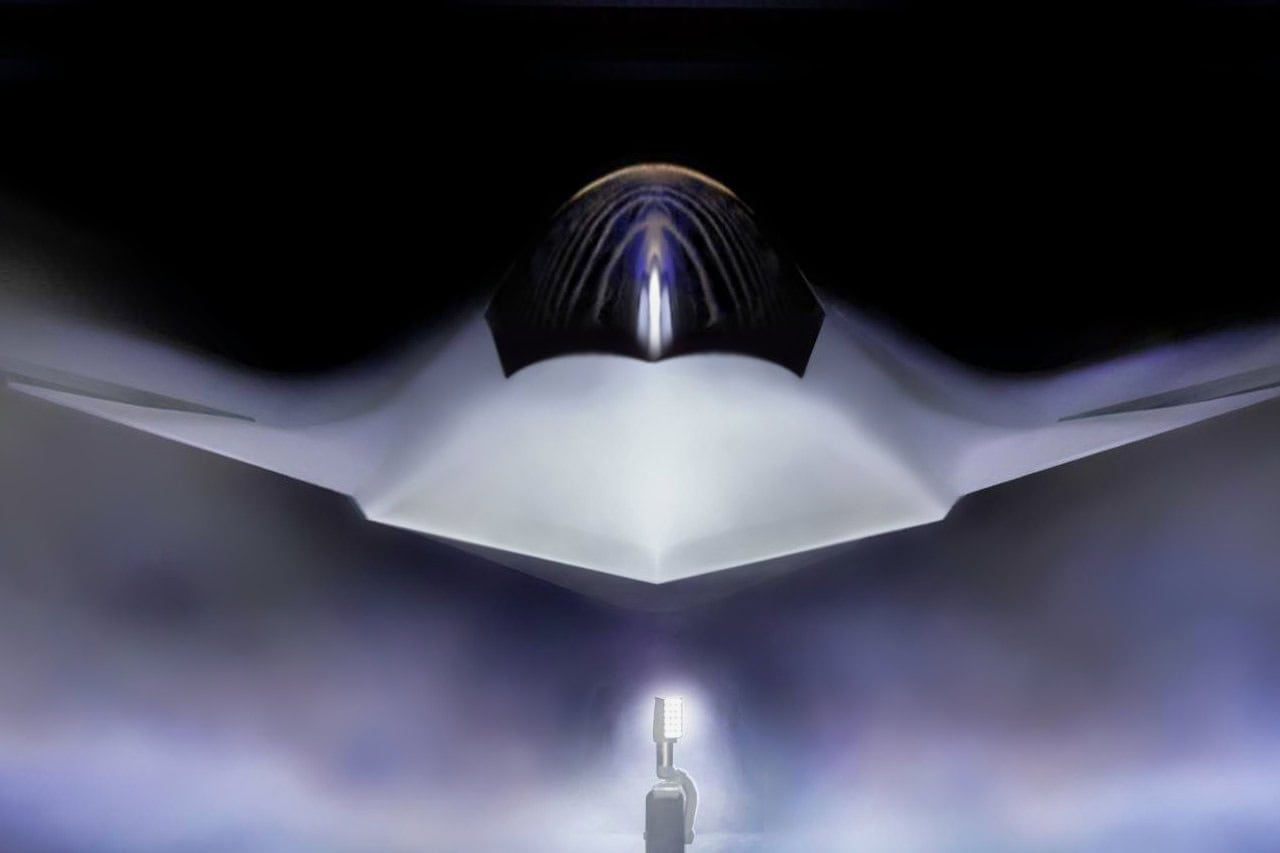
Shown is a graphical artist rendering of the Next Generation Air Dominance (NGAD) Platform. The rendering highlights the Air Force’s sixth generation fighter, the F-47. The NGAD Platform will bring lethal, next-generation technologies to ensure air superiority for the Joint Force in any conflict. (U.S. Air Force graphic)
The reported wish list extends well beyond traditional fighter jets, with Israel reportedly seeking access to advanced bunker-busting weapons capable of attacking targets buried deep underground — the same kind of weapons used to target Iranian nuclear sites.
Israel is also said to be seeking autonomous strike systems and uncrewed aircraft.
Israeli officials are also reportedly seeking military space capabilities and want American participation in developing new Arrow 4 and Arrow 5 missile-defense interceptors.
Could the F-47 Come Into Play?
While nothing is confirmed, it’s reasonable to suggest the F-47 could come into play.
In August, Walla reported that Israel’s Defense Ministry and military planned to request information from Washington about the highly classified sixth-generation F-47 fighter program.
The upcoming Boeing aircraft will be the most advanced next-generation fighter in the world, and Israel may be seeking to participate in the program or acquire the aircraft.
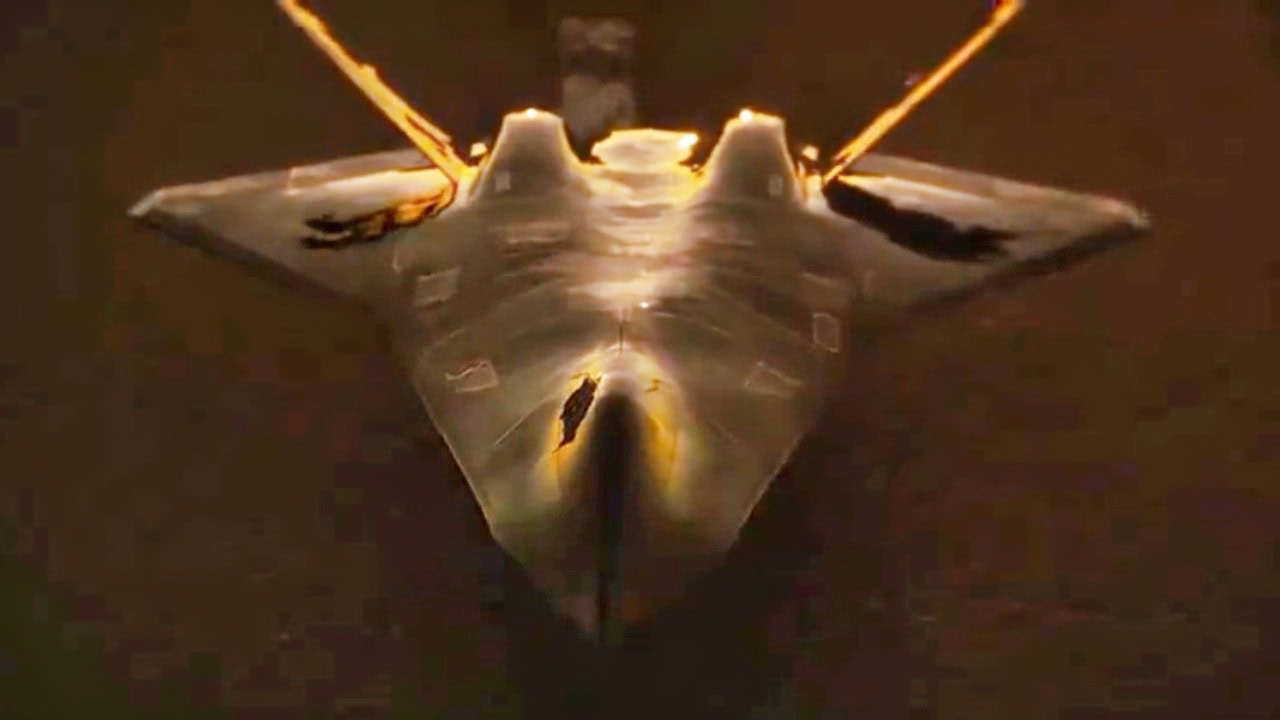
F-47 Fighter from Boeing. Image Credit: U.S. Air Force Screenshot.
As of now, though, no such sale has been agreed upon, and Israel’s reported compensation requests from this week don’t specifically mention the aircraft.
But if Washington determines it is a reasonable measure, and Israel insists that the sale to Saudi Arabia warrants it, those negotiations could take place in the future.
Should the F-47 come into play, it could guarantee Israel’s edge against its neighbors in the Middle East for potentially decades.
About the Author: Jack Buckby
Jack Buckby is a British researcher and analyst specializing in defense and national security, based in New York. His work focuses on military capability, procurement, and strategic competition, producing and editing analysis for policy and defense audiences. He brings extensive editorial experience, with a career output spanning over 1,000 articles at 19FortyFive and National Security Journal, and has previously authored books and papers on extremism and deradicalization.