As autonomous cars become more visible in certain cities, self-driving technology is being tested in other modes of transportation for the U.S. military.
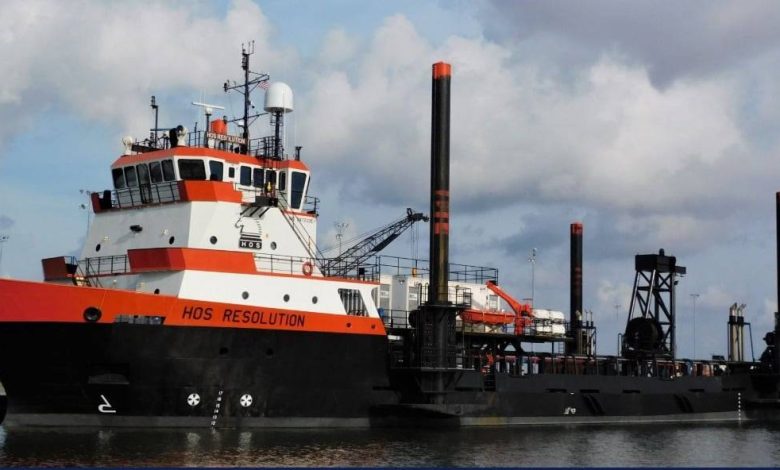
In late August, the U.S. Army conducted testing on a commercial offshore supply vessel in Hawaii, completing an 18-hour, fully autonomous trip from Pearl Harbor to the Big Island.
The ship is the length of a football field and was retrofitted in nine days by Sea Machines Robotics, a Boston-based company that builds autonomous software for vessel sizes 10 to 300 feet.
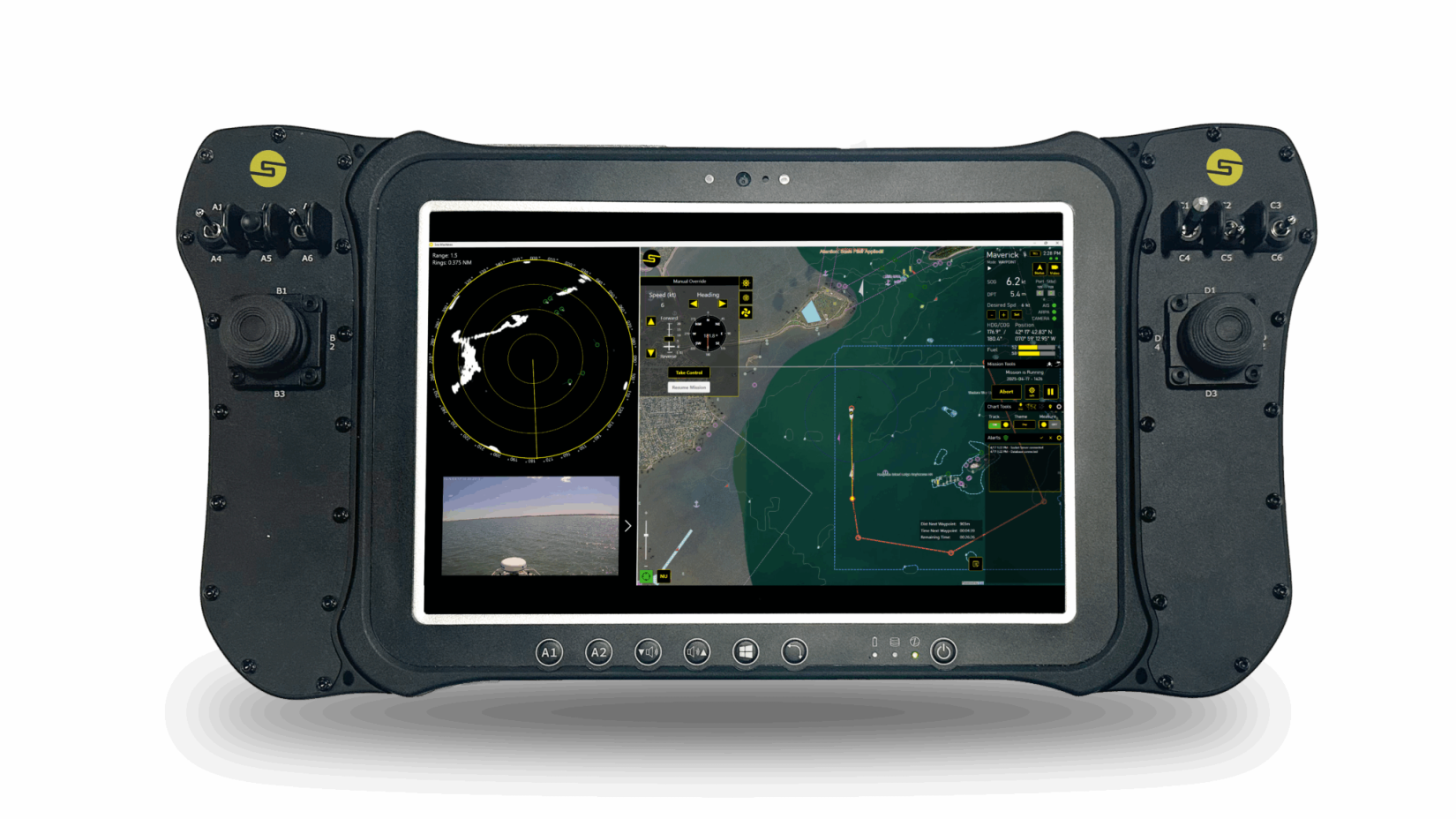
Officials say the company’s SM300 autonomy package was used in the Army’s test vessel, in part, because it’s designed to operate in contested environments and in areas where GPS and other communications devices may not work.
“The test, conducted with the Army’s 8th Theater Sustainment Command, demonstrated that existing commercial vessels can be rapidly converted into autonomous assets rather than requiring the military to design and build new autonomous ships from scratch,” Erik Hedval, Director of Federal Business for Sea Machines Robotics, said in a statement to Military.com. “Sea Machines sees the test as evidence that proven maritime autonomy can be fielded quickly at scale.”
Autonomous Mission Named ‘Project Endurance’
The ship is named the HOS Resolution, a 257-foot offshore supply vessel normally used to haul equipment and supplies to oil rigs and other offshore operations. It’s owned and operated by Hornbeck Offshore for a mission dubbed “Project Endurance.”
“Project Endurance demonstrates that the Department of War does not have to wait years for purpose-built autonomous vessels to deliver meaningful capability to the warfighter,” Hedval said. “Sea Machines can rapidly integrate proven autonomy onto existing commercial and government vessels, turning platforms already available today into autonomous assets for missions like contested logistics.”
Sea Machines said the whole conversion took nine days. That’s the time it took to bolt on the sensors, cameras, and computer systems needed to let the ship navigate and make decisions on its own, without a captain steering every move. Also, using the application for a military mission gives a one-dimensional shipping vessel another purpose.
“That ability to bring mature commercial technology to the Fleet quickly, and then scale it across different vessel types, is at the core of how Sea Machines supports the Navy, Marine Corps, and broader Joint Force,” Hedval said.
Sea Machines said its SM300 system is currently installed on more than 230 vessels across commercial, Department of Defense, and Coast Guard fleets. The HOS Resolution is believed to be the largest vessel retrofitted with autonomy across the entire DOD fleet to date. The company is planning more phases of testing, including automation of the vessel’s engine room and stern ramp.
Autonomous Systems Offer Degrees of Independence
According to the International Maritime Organization (IMO), autonomous maritime vessels (AMV), or Maritime Autonomous Surface Ships (MASS), are watercraft that operate with four distinct degrees of independence from human crews using sensors, AI, and remote control systems.
Degree One: Ships with automated processes and decision support, where a crew is still on board.
Degree Two: Remotely controlled ships that still carry crew members on board.
Degree Three: Remotely controlled ships operating entirely without a crew on board.
Degree Four: Fully autonomous ships where the system makes decisions independently.
The army’s test voyage launched from Naval Station Pearl Harbor and was considered a “degree four” mission, by design. Experts have said building a brand-new autonomous ship from scratch can take years and cost millions of dollars.
Sea Machines believes if a company or military branch can take a ship that already exists and is seaworthy, and then retrofit it with autonomy in a matter of days, that’s a faster and cheaper option.
“HOS Resolution wasn’t built to be autonomous,” Sea Machines said in its statement. “Sea Machines added autonomous command and control to the existing commercial vessel in just nine days.”
What’s not clear is whether the Army plans to keep testing with this specific ship, or how many more vessels Sea Machines might convert under this same approach going forward.