Canada Can Wait Until 2029 to Announce Its F-35 Fighter Decision. The Bigger Problem: It Cannot Wait to Start Flying Them

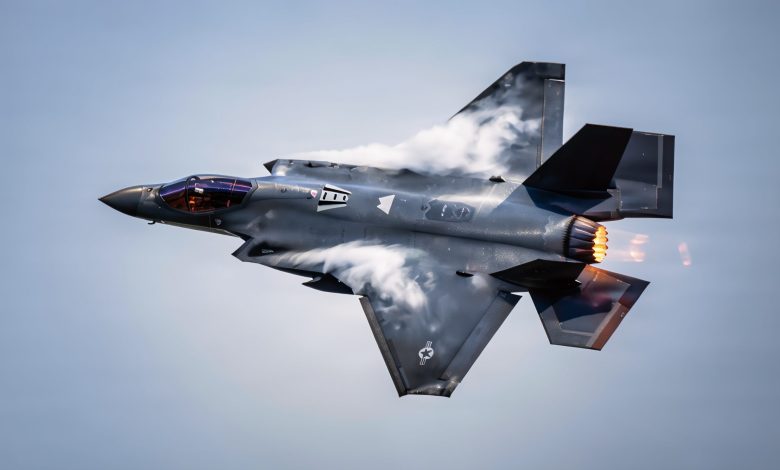
Canada Should Buy the F-35. The Only Question Is When – Defence Minister David McGuinty said this week that Ottawa is still reviewing the F-35 and will take the time it needs to get the decision right. Gen. Jennie Carignan, the chief of the defence staff, sounded less open-ended on Wednesday. She expects a government decision in the next few months.
There is an obvious political case for waiting. Canada is back in a serious trade fight with the United States. Washington imposed 50 percent tariffs on $27.6 billion in Canadian goods on August 22, and Ottawa’s matching countertariffs take effect September 8. Buying dozens more American fighters in the middle of that dispute is harder to sell politically than it was when Canada finalized the F-35 agreement in 2023.
F-35C at Lakeland, Florida Airshow. Image Credit: 19FortyFive.com
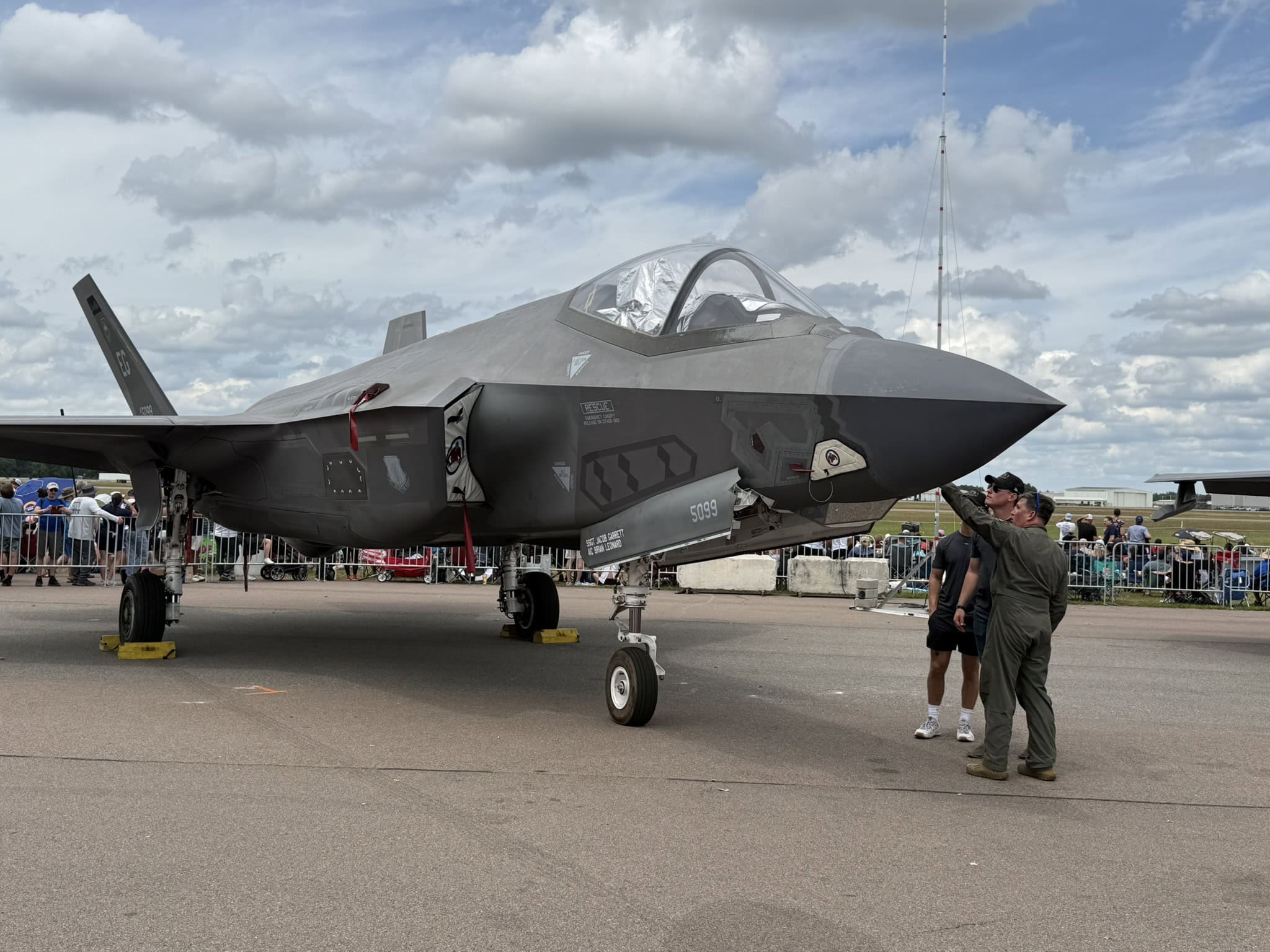
F-35C at Lakeland, Florida Airshow. Image Credit: 19FortyFive.com
Time is also on Ottawa’s side, at least on paper. Donald Trump leaves office on January 20, 2029. The CF-18 is scheduled to remain in service until 2032. Ottawa can reasonably ask whether to announce the rest of the fighter purchase now or wait for a calmer moment under the next administration to do so.
Ottawa should proceed with the full F-35 program. In practical terms, the procurement choice is increasingly difficult to reverse. Ottawa can still leave the final political question open, but doing so need not stop the transition already underway. Waiting can work, but only if the military transition continues while the political review remains open. Once the review begins slowing the transition itself, Ottawa starts using up the margin that makes waiting possible.
What Waiting Until 2029 Requires
Canada is already committed to an initial tranche of 16 F-35s. The first eight are scheduled for delivery to Luke Air Force Base in Arizona in 2026 and 2027 for Canadian pilot training. The first aircraft are due in Canada in 2028.
The transition becomes much busier after that. National Defence targets initial operational capability in 2029 and full operational capability in 2033. The Auditor General uses a slightly more conservative schedule, putting initial capability in 2030. Between 2030 and 2032, three additional tactical fighter squadrons are supposed to enter service as the CF-18 force progressively hands over its NORAD and NATO commitments.
A final decision in 2029 would therefore arrive while the replacement program is already well underway. That can work if pilot training continues, the new facilities at Cold Lake and Bagotville keep moving toward completion, and the first F-35s enter Canadian service on something close to the existing schedule.
Ottawa can keep the political review open while implementation continues. What it cannot safely do is put that implementation on hold while waiting for a better moment in Washington. The more of the transition Canada completes in the meantime, the less operational risk continued delay carries.
The CF-18 Sets the Limit
The Hornet gives Ottawa some room to maneuver. National Defence expects the CF-18 fleet to continue meeting Canadian obligations through 2032.
That date also marks the end of the runway in current planning. Some aircraft have already begun retiring after more than four decades of service.
The Hornet Extension Project was supposed to keep the remaining fleet capable of reaching the handover. It has run into delays of its own. Full operational capability had been planned for June 2025. The program management board has since moved that milestone to February 2027.
A familiar Canadian procurement story sits buried in all this. Ottawa has spent years buying time around the fighter replacement. The original F-35 decision gave way to another competition, followed by another F-35 decision and then another review. Delay became easier because the CF-18 kept flying.
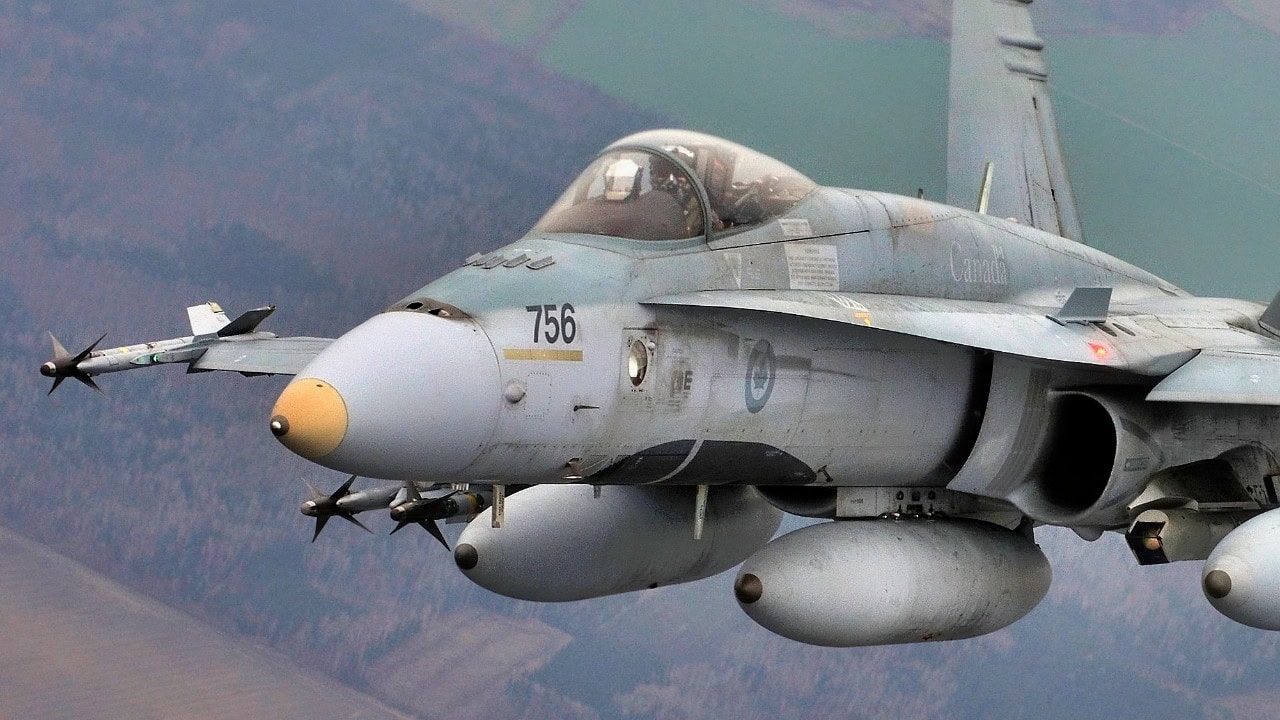
A CF-188 Hornet from the Canadian Air Task Force Lithuania flies over Lithuania on November 20, 2014 for the NATO Baltic Air Policing Block 36 during Operation REASSURANCE.
Photo: Air Task Force — OP Reassurance, DND
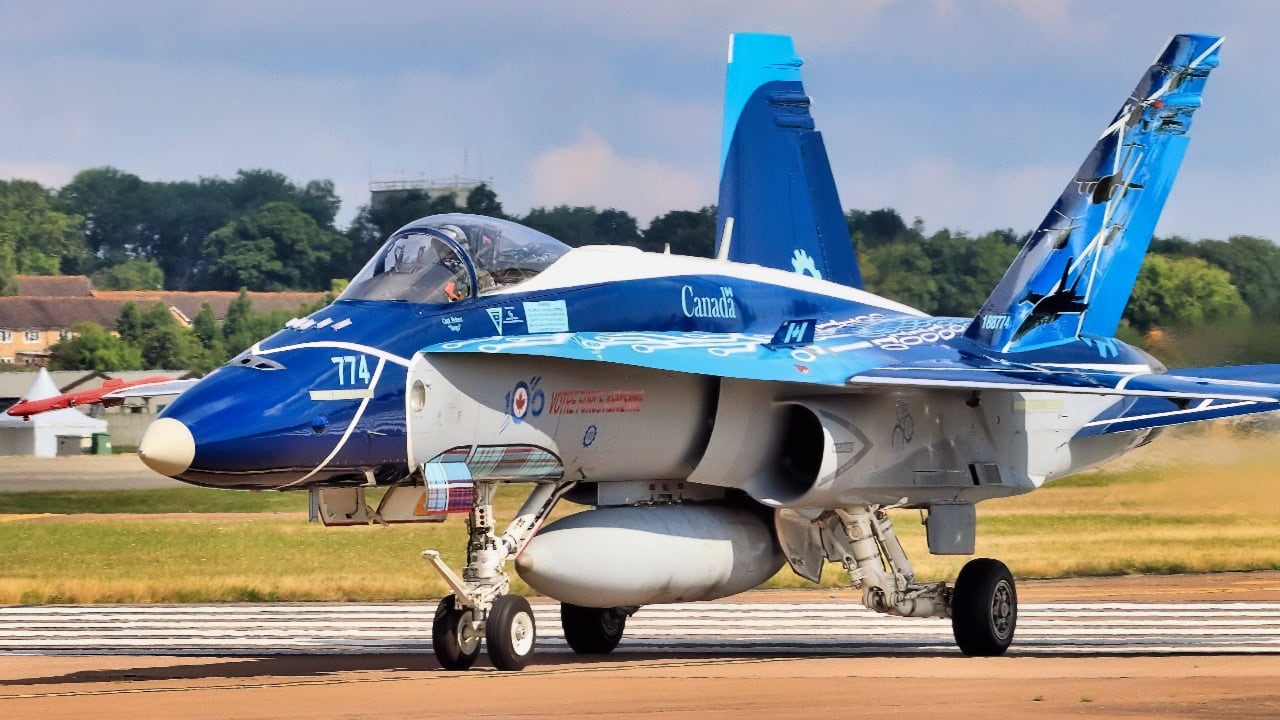
CF-18 Canada Air Force.
That habit is harder to indulge now. Construction delays at Cold Lake and Bagotville have already forced National Defence to implement an Interim Operations Plan so the first aircraft can still arrive in Canada in 2028. The department says the other major implementation milestones remain unchanged, though it is also reviewing the impact of U.S. tariffs on the acquisition.
A decision in 2029 remains possible. The amount of trouble the RCAF could absorb by then is already getting smaller.
Other Fighters Do Not Restore Lost Time
Canada has legitimate reasons to reconsider how dependent it wants to remain on the American defense-industrial base. The trade dispute has made that question more urgent.
Gripen remains part of the discussion, but changing aircraft would introduce another transition problem. Saab reached the final stage of the fighter competition before the F-35 emerged as the top-ranked bidder. A move toward Gripen now would require its own training, sustainment and integration arrangements while the F-35 system is already being introduced.
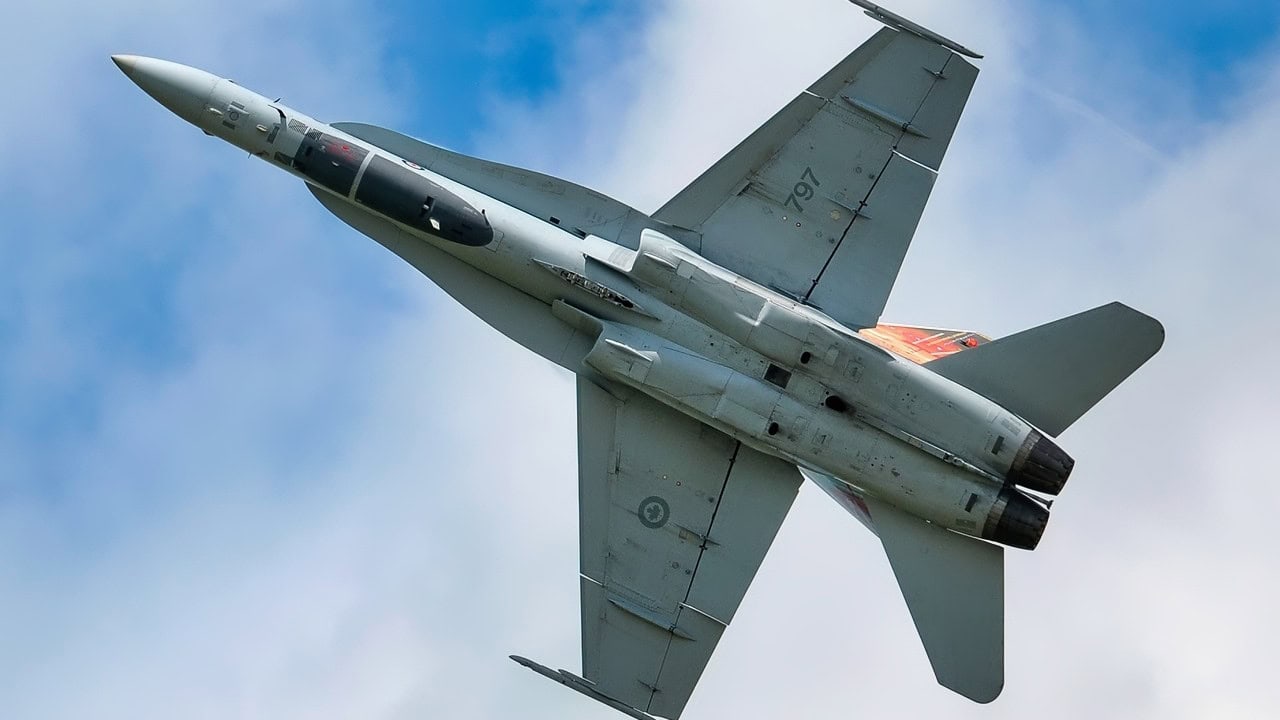
Canada CF-18 Hornet Fighter
GCAP lies farther in the future. Canada became the first observer to the British-Italian-Japanese program in July, and the program is aiming for a sixth-generation combat aircraft around 2035. That could give Canada useful options later. It does little for a CF-18 fleet scheduled to disappear by 2032.
That matters because Ottawa’s freedom to delay depends on keeping the existing transition moving. A serious move toward Gripen would draw pilots, funding and integration work away from the F-35 effort Canada is already running, while GCAP cannot replace the Hornet on the 2032 timeline.
Both choices may matter for industrial policy or for Canada’s longer-term relationship with Washington. Neither gives the Hornet more service life or returns the years already spent building the current transition.
How Long Can Ottawa Keep Waiting?
A post-Trump administration could make the decision easier. The tariff confrontation might recede, and the politics of another large American defence purchase could become less difficult in Canada.
The military requirement would still be there. Canada would still need a modern fighter force able to carry its share of the NORAD mission and meet alliance commitments. Ottawa would also still face the harder strategic question raised by the present dispute: how much additional cost and operational complexity is Canada prepared to bear in order to reduce its dependence on the United States?
Waiting for the politics to improve can make sense, but only while Canada preserves the military options available to it. The review becomes dangerous when delays in the announcement begin to interfere with pilot conversion, basing work, or the introduction of aircraft already moving through the system.
For now, those are the things worth watching. If training at Luke continues, Cold Lake and Bagotville remain close enough to schedule, the CF-18 retirement proceeds as planned, and Ottawa is not diverted by a parallel Gripen procurement or an attempt to make GCAP solve the near-term fighter problem, the country keeps the room to settle the remaining order at a more propitious moment. A government in 2028 or 2029 could still choose when to settle the remaining order rather than have that timing forced on it.
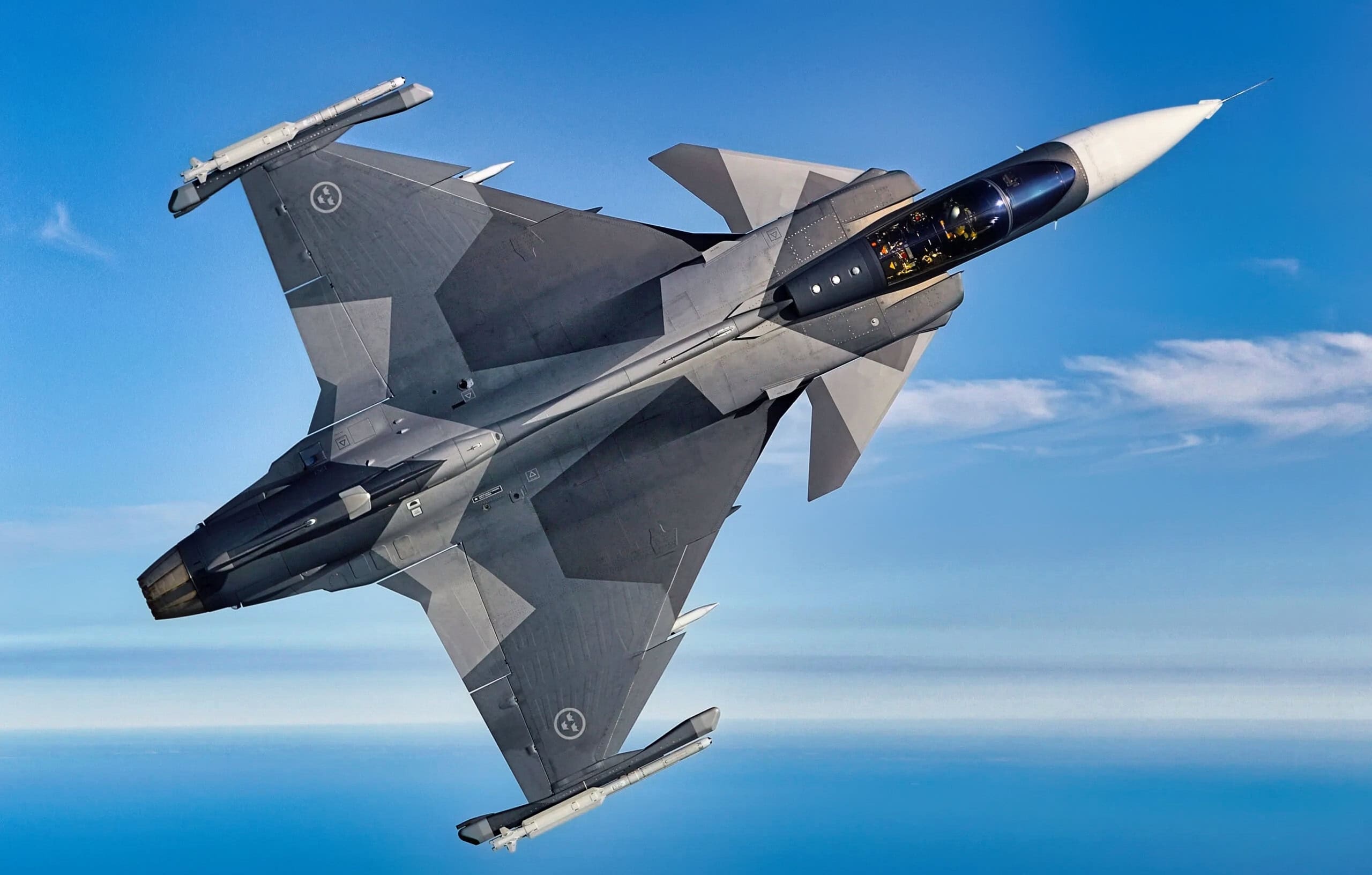
JAS 39 Gripen E Fighter. Image Credit: Saab.
If those pieces begin slipping together, the character of the delay changes. If too much of that margin is consumed, Canada could reach the early 2030s with retiring Hornets and an incompletely fielded replacement fleet. Ottawa may still be waiting for a better political moment with Washington, while the RCAF discovers that time has already narrowed its options.
About the Author: Dr. Andrew Latham
Andrew Latham is a professor of international relations and political theory at Macalester College in Saint Paul, MN. You can follow him on X: @aalatham.