When most people hear the word “homestead,” they picture several acres, a barn, chickens, fruit trees, a workshop, and a long gravel driveway.
That was not how my homesteading journey began.
When I was younger, I lived in a small apartment. I had no land, garage, private well, or large storage room. What I did have was a small kitchen, a few sunny windows, limited money, and a desire to become more self-reliant.
I did not call it a mini homestead at the time. I simply wanted to waste less, store useful supplies, grow a little food, and learn how to solve more problems on my own.
Looking back, that apartment taught me an important lesson: homesteading begins with habits long before it begins with land.
I Used Every Growing Space
My apartment offered very little growing space, so I treated every sunny window, shelf, and balcony corner as valuable.
I began with herbs such as basil, parsley, chives, thyme, mint, and green onions. They grew in small containers, improved basic pantry meals, and taught me how to water, prune, and harvest plants.
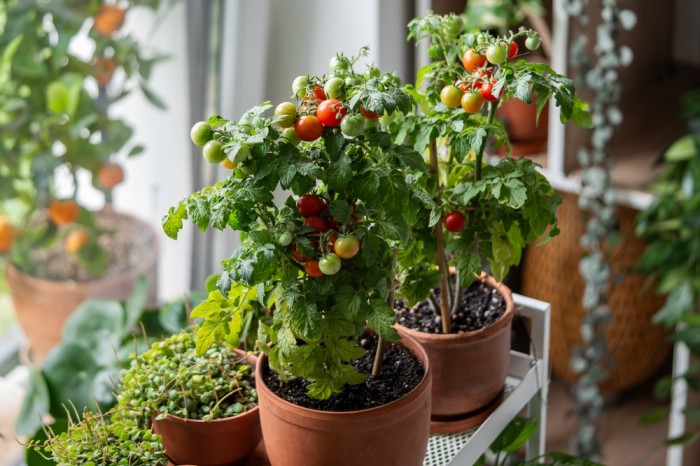
When I had access to a balcony, I tried tomatoes, peppers, lettuce, radishes, strawberries, dwarf beans, and compact cucumbers. Not everything succeeded, but every failure taught me something.
Space was limited, so most containers had to produce something useful. A pot had to earn its place.
I also grew upward with shelves, railing planters, hanging baskets, and simple trellises. Before adding heavy containers, I checked the building rules and made sure the balcony could safely handle the weight.
I Focused on Quick Harvests
Apartment gardening worked best when I chose foods that grew quickly or could be harvested repeatedly.
Microgreens were one of the easiest options. Radish, broccoli, pea, sunflower, and mustard greens grew in shallow trays and provided fresh greens without taking up much room.
Green onions were especially useful because I could cut what I needed and allow them to regrow. Lettuce and herbs also provided repeated small harvests.
I experimented with sprouts too, but cleanliness was essential. Warm, damp conditions can encourage harmful bacteria, so I used clean jars, clean water, and seeds intended for sprouting.
None of these foods could replace a full pantry, but they added freshness, flavor, and practical growing experience.
I Built Storage Upward
A small apartment often has more storage space than it appears to have. The real challenge is using that space efficiently.
I used shelves, stackable containers, under-bed storage, wardrobe tops, and the backs of doors. Heavy supplies stayed low, while lighter items could be stored higher.
My pantry contained foods I already ate: rice, beans, oats, pasta, flour, canned meat, canned vegetables, soup, peanut butter, powdered milk, cooking oil, salt, coffee, and seasonings.
I avoided filling the apartment with unusual emergency food that nobody wanted.
New supplies went behind older ones, and I marked dates clearly. I cooked from storage regularly so that nothing sat forgotten until it expired.
A small, well-rotated pantry was far more useful than a large collection of neglected food.
I Treated Water as a Weight Problem
Water was difficult to store because it was both heavy and bulky.
Instead of depending on one large container, I kept several smaller ones. They were easier to lift, inspect, rotate, and carry during an evacuation.
I spread the weight across stable storage areas and kept containers where a leak would not destroy documents, electronics, or the ceiling below me.
I also kept bottled water, a dependable filter, and several empty collapsible containers. If a storm or water shutdown was announced, I could fill the collapsible containers without permanently sacrificing apartment space.
I learned what my filter could remove and kept its instructions nearby. No filter makes every possible water source safe.
I Prepared for Cooking Without Power
Apartment emergency cooking requires caution. Charcoal grills, camping stoves, generators, and other fuel-burning devices can create deadly carbon monoxide and fire hazards.
I never used equipment indoors unless it was specifically approved for that location.
Instead, I stored foods that required little or no cooking, including canned meat, tuna, crackers, tortillas, peanut butter, canned beans, and shelf-stable milk.
A battery power station and low-wattage appliance may also help, but the system must be tested beforehand. Many small power stations cannot run heating appliances for very long.
The best emergency meal is one you have already prepared and know your household will eat.
I Used the Kitchen Table as a Workbench
I did not have a garage, but I had a kitchen table.
There I learned bread making, fermentation, dehydrating, sewing, seed starting, basic first aid, food rotation, sharpening, and simple repairs.
I kept a compact tool kit with screwdrivers, pliers, an adjustable wrench, measuring tape, utility knife, hammer, tape, cord, fasteners, and sewing supplies.
That small kit handled many ordinary problems without taking over the apartment.
I avoided projects involving dangerous fumes, open flames, heavy dust, loud machinery, or permanent changes to the property. The goal was practical capability, not turning the living room into an unsafe workshop.
I Preserved Small Batches
I learned that food preservation did not require a farmhouse kitchen or fifty pounds of produce.
I froze herbs, dried small amounts of vegetables, fermented jars of cabbage, and made refrigerator pickles. Small batches taught the same basic skills as large ones: cleanliness, timing, labeling, safe recipes, and rotation.
For shelf-stable canning, I followed tested instructions and used the correct equipment. Meat and most vegetables are low-acid foods and require pressure canning.
A mini homestead should be safe before it is impressive.
I Built Community Beyond the Apartment
Self-reliance did not mean doing everything alone.
I built relationships with neighbors, gardeners, farmers, repairmen, relatives, and people who knew useful skills. Community gardens, farmers’ markets, tool libraries, and shared workshops expanded what I could accomplish.
A capable household does not need to own everything. It needs knowledge, access, and trustworthy relationships.
I Kept the Apartment Livable
Preparedness can overwhelm a small home quickly.
I kept exits clear, secured heavy items, stored supplies discreetly, and avoided filling every walkway with gear. The apartment still needed to be comfortable, clean, and safe.
Preparedness should create confidence, not make a family feel trapped inside a warehouse.
When I was young, I did not have the homestead people usually imagine. But I grew what I could, stored food and water, repaired small problems, preserved food, and learned practical skills.
Land, workshops, chickens, and fruit trees could come later.
The habits did not have to wait.