In every crisis, people reach for the beliefs that live deeper than fear. The strongest survivors in American memory did this as a matter of course. Pioneer families opened the day with Scripture and closed it with hymns. Native tribes leaned on ceremonies that tied every person to land, kin, and Creator. Amish communities lived their creed with shared work and mutual aid. These worldviews did more than comfort. They organized labor, set conduct, and kept minds steady when supplies ran thin and danger pressed close. Preppers who want staying power should study that pattern. Food and shelter keep the body alive. Faith and community keep the will to act.

The frontier was a grind of mud, weather, and risk. Families moved west with wagons, tools, and Bibles. They prayed morning and night, read aloud to children, and sang together when trails got long. Small congregations met in cabins and schoolhouses. Methodists, Baptists, and others held class meetings, prayer circles, love feasts, and camp gatherings that stitched neighbors into one fabric. These simple rituals created order. A shared creed told people why they suffered, what to hope for, and how to behave when the worst came to the door.
Diaries show the effect. Joy and relief had a language shaped by belief. After months of dust and hunger, a family that crested a ridge and saw safe valley land did not collapse into panic or quarrel. They knelt, gave thanks, and found fresh strength to build. Even at graveside moments, Scripture put courage back into tired hearts. Children learned early that prayer and duty were daily tools. If the hunt failed or frost hit hard, the family gathered, spoke words that steadied hands, and started again at first light. This rhythm did not remove hardship. It made people dependable inside it.
Long before settlers, Native peoples survived harsh cycles with a spiritual lens that joined every task to meaning. The Creator lived in the wind, water, and soil. Ceremony marked drought and storm, plenty and loss. Prayers asked for calm, courage, and wisdom. Elders told stories that turned fear into duty. The clan and the lodge made survival a shared burden. When trouble came, the response was collective. Drums, chants, and councils drew people into one mind.
Native teaching on resilience proves practical. Strength grows step by step, not in one leap. A person keeps moving, helps the next person, and holds to the path. Families share food and shelter. Grandparents train children in tracking, fire, craft, and courtesy. Tribes make plans together in winter and stand by them in spring. Even after forced removals and broken treaties, this pattern held communities together. Identity, ancestry, and ritual kept despair from swallowing purpose.
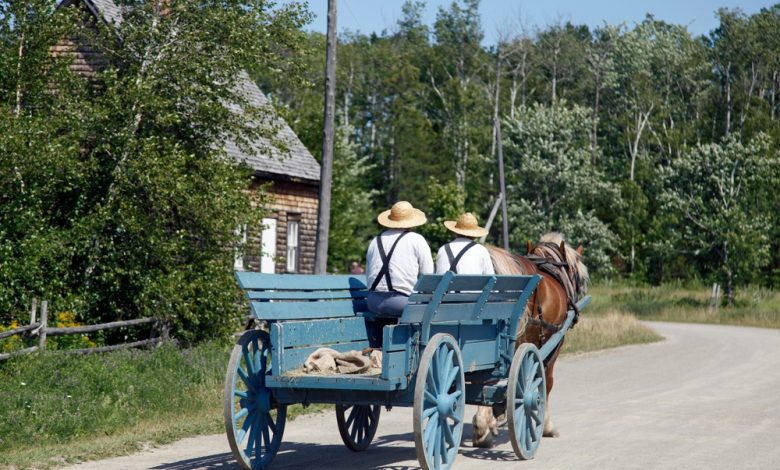
The Amish build for hard seasons by design. Their faith rules daily life, but the core is plain. Work with your hands. Live clean. Help your neighbor. The community replaces insurance. When a barn burns, people do not form a committee or wait for a grant. They show up at dawn and rebuild. When a family faces medical bills, households contribute until the burden lifts. Worship rotates through homes, so every week reinforces ties.
This worldview has direct survival value. Skills remain local. Food systems run on gardens, barns, and pantries, not on trucks. Tools are simple and fixable. Young people grow up inside craft and barter. In a disaster, they already know who cooks for a crowd, who runs a saw, who can set a broken bone, and who keeps books. They carry no need to advertise. They just act. The result is speed, order, and recovery without drama.
Adopt the parts of these patterns that fit your house and town. Start with a small group that meets in person. Break bread, share skills, and make prayer or reflection a normal part of the rhythm. This group is your tribe. Treat it like a duty. Keep a paper roster with skills, tools, and roles. Put names beside cooking, first aid, radio, saw work, water treatment, child care, and security. Train together where you will respond. If your church hall is your rally point, hold drills there. If your barn is your storage, inventory and cook there.
Build family ritual that holds during stress. Read a psalm at breakfast. Say a short prayer before work. Sing one song by lamp at night. Keep it simple and repeatable. Children learn faster than adults. Give them jobs that matter. Let them stock shelves, label bins, check lamps, and track radio check ins. Teach gratitude. Teach them to speak hope without lying about trouble. This strengthens the whole house when news turns ugly.
Turn belief into acts of service. Help a neighbor fix a roof now, not later. Bring soup to a sick family. Show up for work days at the local church or grange. These small moves build a ledger of trust that pays off when the grid trips or the river rises. In a crisis, act quickly and quietly. The person you help will likely help the next. This keeps fear from setting the tone.
Create simple ceremonies that glue people. A monthly potluck with a short blessing. A quarterly skills fair where elders teach canning, sharpening, and mending. A dawn work bee to split and stack wood for the fellowship hall. Post clear rules on one sheet of paper. No lies, no theft, no threats. Help the weak first. Return tools. Clean your station. Meet at the same time next week. Order calms nerves.
Tie faith to practical stores. Keep a shelf for communal aid in your pantry. Label it with a verse or motto that reminds you why you set it aside. Build depth in water, light, heat, and food that feeds groups. Keep paper maps, printed contact lists, and a binder with plans. Practice two drills a year. One for power loss. One for supply receipt and distribution. Review and adjust on paper. This is how you move from talk to readiness.
Honor elders and heritage. Invite old-timers to tell how the town handled the blizzard, the flood, or the mill closure. Record details in a notebook that stays at your meeting place. Let kids ask questions. Let hands-on lessons follow the stories. This passes down methods and morale in one shot. A community that remembers how it survived before can do it again.
Guard tone. Panic spreads faster than fire. Faith sets a different pace. A psalm spoken aloud in a dark room steadies a crowd. A short prayer before the doors open for a food line sets respect. A hymn sung while washing pots turns work into fellowship. None of this replaces logistics. It makes logistics possible when people are tired and scared.

Supplies matter. Skills matter. The mind that refuses to quit matters most. Pioneers built that mind with prayer and shared worship. Native tribes built it with ceremonies and councils that joined every person to a larger purpose. Amish villages build it with mutual aid that moves at the speed of conscience. Take these lessons and plant them at home. Form a small group that meets face to face. Make simple rituals that fit your faith. Serve first, count later. Keep records on paper. Drill where you will stand when the lights go out.
Hard times will come. A house that holds faith and a circle that acts as one will pass through those times with order and dignity. That is field-proven truth from people who faced worse and kept going. Stock your pantry. Sharpen your tools. Then do the deeper work. Build unity and hope on purpose. In the hour of trial, that is the edge that carries you from endurance to recovery.