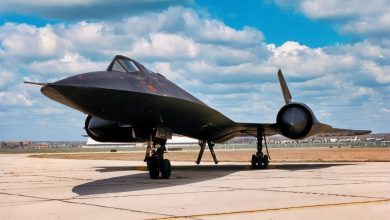
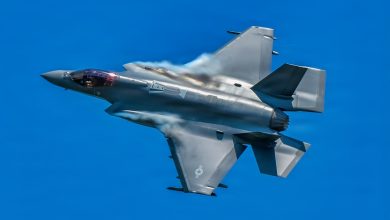
Move Over, B-21 Raider Bomber: The US Air Force B-1B Lancer and B-2 Spirit Won’t Be Retired Afterall

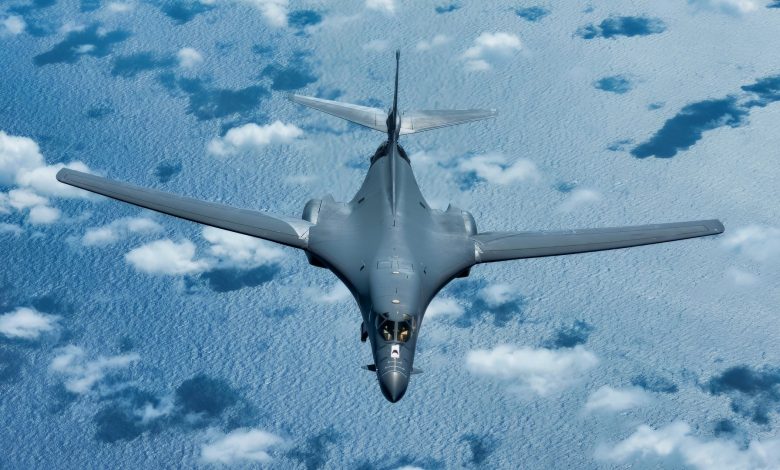
Air Force to Keep B-1 and B-2 Bombers Flying for Longer – The U.S. Air Force said it will extend the service lives of its B-1B Lancer and B-2 Spirit bombers ahead of the B-21 Raider’s arrival. The news means that the older aircraft will remain available while their replacements enter the fleet.
Gen. Stephen L. Davis, commander of Air Force Global Strike Command, announced the decision on September 16 during a conference hosted by the Air & Space Forces Association. The comments were made during a panel addressing aircraft operations and maintenance.
What Davis did not announce, however, was a specifically revised series of retirement dates.
He also did not specify how many additional years each bomber is expected to serve.
However, the news comes amid rising global tensions and the possibility of a new conflict between NATO and Russia, and even the potential Chinese invasion of Taiwan — all at a time when America’s supply of precision-guided missiles is severely depleted.
Replacing America’s Bombers Takes Time
The U.S. Air Force intends to acquire at least 100 B-21 Raiders, its planned next-generation long-range strategic bomber, to replace the B-1 and B-2 over the coming decades. The first operational Raiders will be delivered to Ellsworth Air Force Base in South Dakota in 2027 — a schedule that was reaffirmed by White during a July 29 address in Dayton, Ohio.
The arrival of those aircraft will initiate a transition from older to newer aircraft.
The B-21 Raider will not immediately force the United States’ fleet of B-1 and B-2 aircraft to retire. During that transition period, crews must be trained, maintenance must be perfected, and the ability to sustain operations must be proven so that the remainder of the fleet can be delivered and entered into service.
What Davis Said
During his remarks, Davis confirmed that both bomber types would remain in service for longer and that experienced pilots from those fleets would be among the first to fly the B-21.
He also said that the Air Force is helping B-1 pilots get flying time when their bombers are unavailable.
Under the Bomber Supplemental Trainer for Aircrew Readiness program (BSTAR), XSTAR Aviation supplies HondaJet Elite light business jets for supplemental training.
Davis said that the measure allows crews to maintain their flying experience while also operating the existing fleet. The smaller jets, he said, also provide additional cockpit time for B-1 pilots, whose opportunities to fly are limited by the availability of their bombers, and keep them flying ahead of the B-21’s arrival.
“We’re bringing in a HondaJet to actually help experience some pilots, and also as some of these airframes have issues with readiness, it gives those pilots a chance to fly and get them time in the seat, which we know is very important,” he said.
There Isn’t A Delay
Notably, the decision to extend the service lives of the two older aircraft does not appear to result from a delay in the B-21 Raider program.
In fact, the Air Force expects a faster production rate for the next-generation bomber. In February, the Air Force and Northrop Grumman agreed to increase annual production capacity by 25%, using $4.5 billion already provided to the program via reconciliation legislation. There was, however, no revised total number of B-21s expected to be delivered to the Air Force, despite widespread speculation that the “100 minimum” figure would be revised upward closer to 200.
The Air Force has also not disclosed when the minimum 100 aircraft will be delivered, and the production rate is still classified.
Potentially the best explanation for the decision to extend the service life of existing bombers is that the B-2 and B-1 must remain combat-ready until sufficient numbers of B-21s are ready to replace them — and given the world is entering an oil crisis and NATO is preparing for the likelihood of two wars at once (China invading Taiwan, Russia testing NATO), the decision could well be connected to rising global tensions.
The B-2 Still Has Work To Do
The Air Force is doing more than just keeping the B-2 flying while it awaits the B-21 Raider — it’s also expanding the aircraft’s mission by integrating and testing additional weapons.
During Exercise Valiant Shield 2026, which took place from June 22 to July 1, 2026, a B-2 launched an AGM-158C Long Range Anti-Ship Missile during a sinking exercise north of the Mariana Islands. Pacific Air Forces confirmed the test took place on June 29.
That news is particularly relevant to a possible Indo-Pacific conflict, where Chinese warships would become targets and U.S. aircraft would be forced to contend with defended airspace. The B-2, with its new capabilities, would therefore be a valuable asset in the event that the U.S. intervenes in a potential Chinese invasion of Taiwan, even as the B-21 Raider begins to roll out.
Bonus: A Crazy Fact – The B-1B Lancer and B-2 Bomber Are Already in a Museum, and We Visited Them
You can see both the B-1B Lancer and B-2 Spirit at the National Museum of the US Air Force in Dayton, Ohio.
We have pictures below of these amazing bombers that, while not yet retired, are already on public display. We took these photos at the museum last July.
B-1B Lancer at National Museum of the U.S. Air Force. 19FortyFive.com Original Photo.
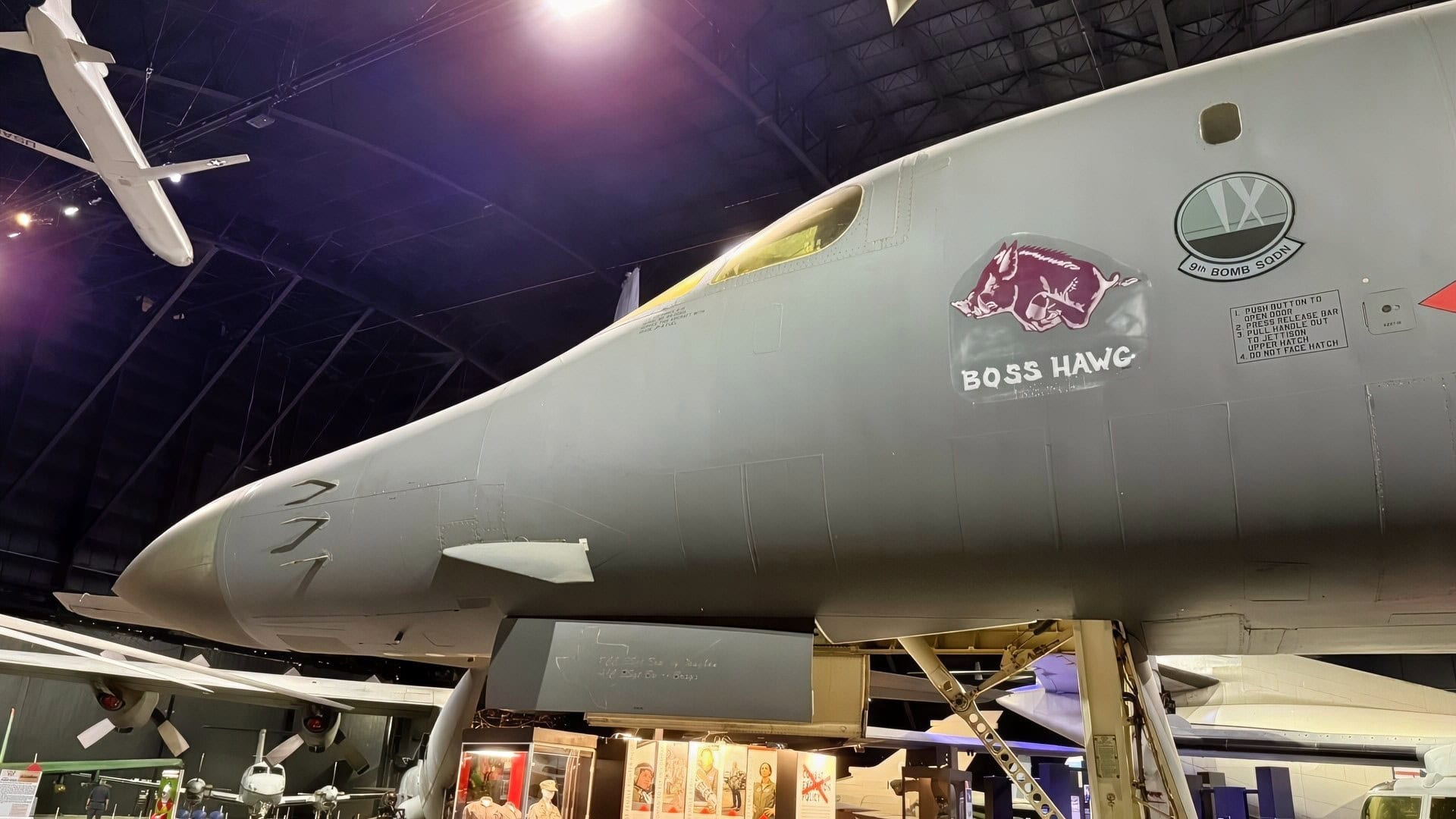
B-1B Lancer Bomber at National Museum of the Air Force. 19FortyFive.com Photo.
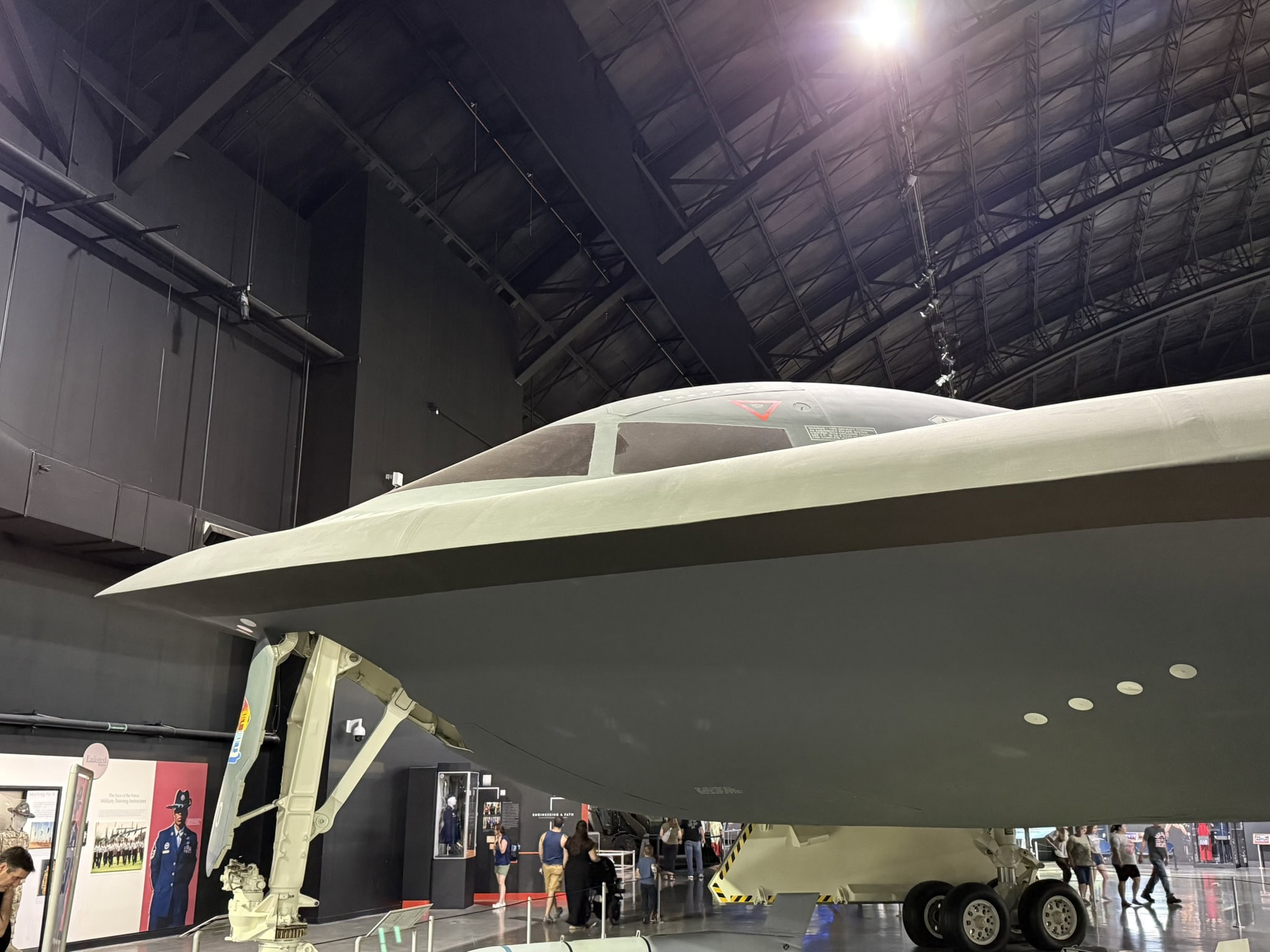
B-2 Spirit at the National Museum of the U.S. Air Force. Image Credit: Harry J. Kazianis.
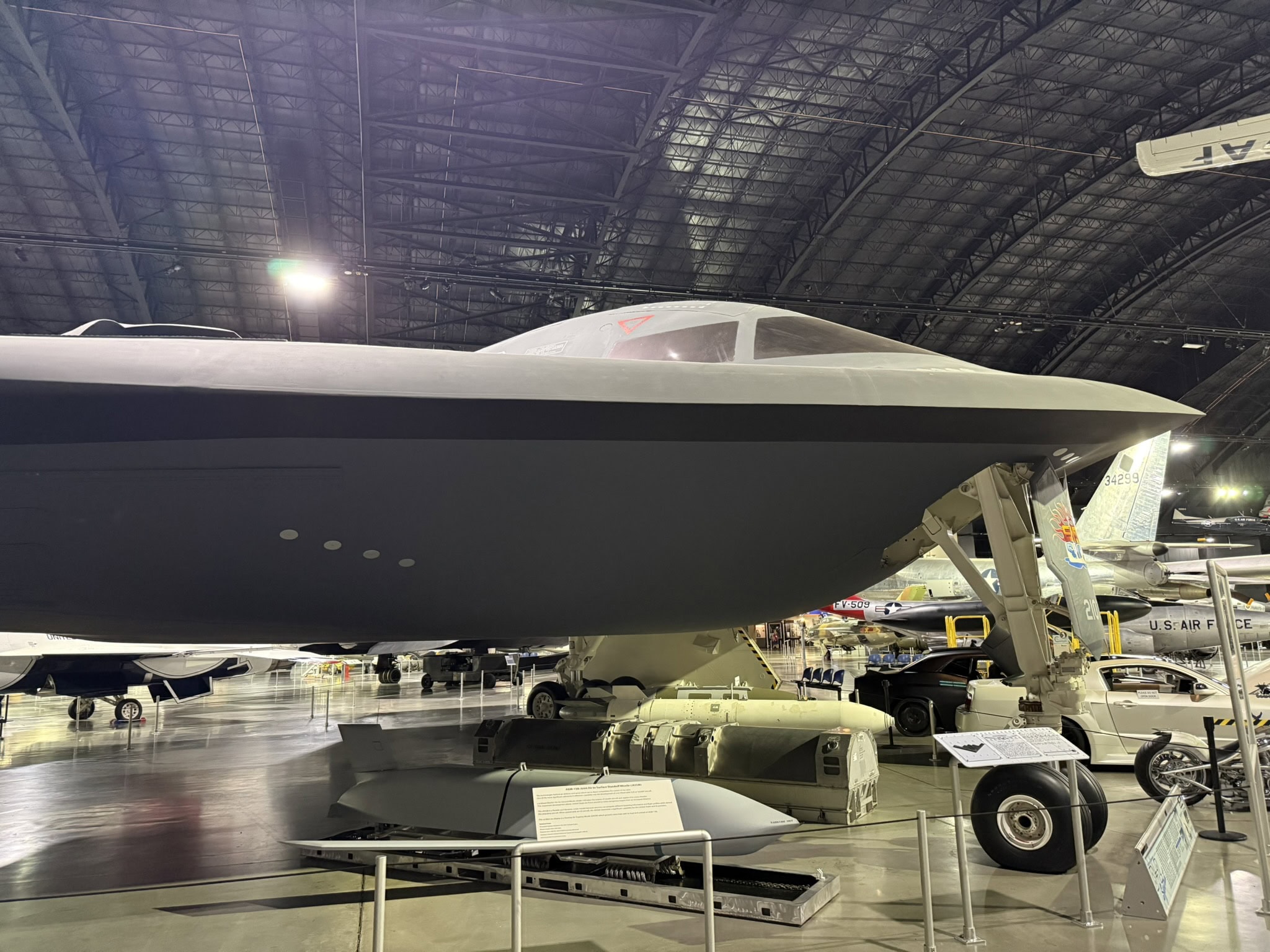
B-2 Spirit Bomber 19FortyFive Image from the National Museum of the U.S. Air Force
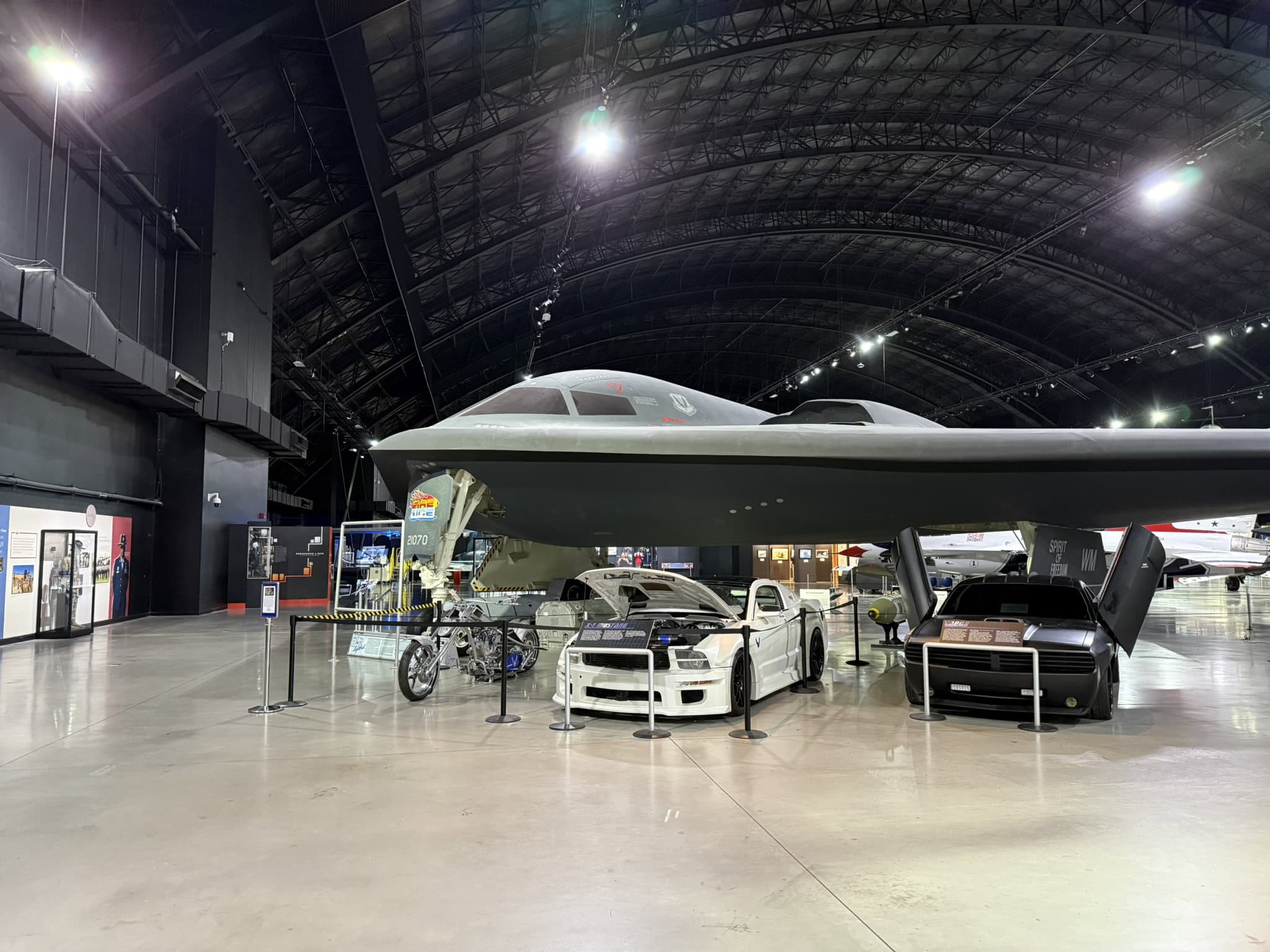
B-2 Spirit Bomber 19FortyFive Image from the National Museum of the U.S. Air Force
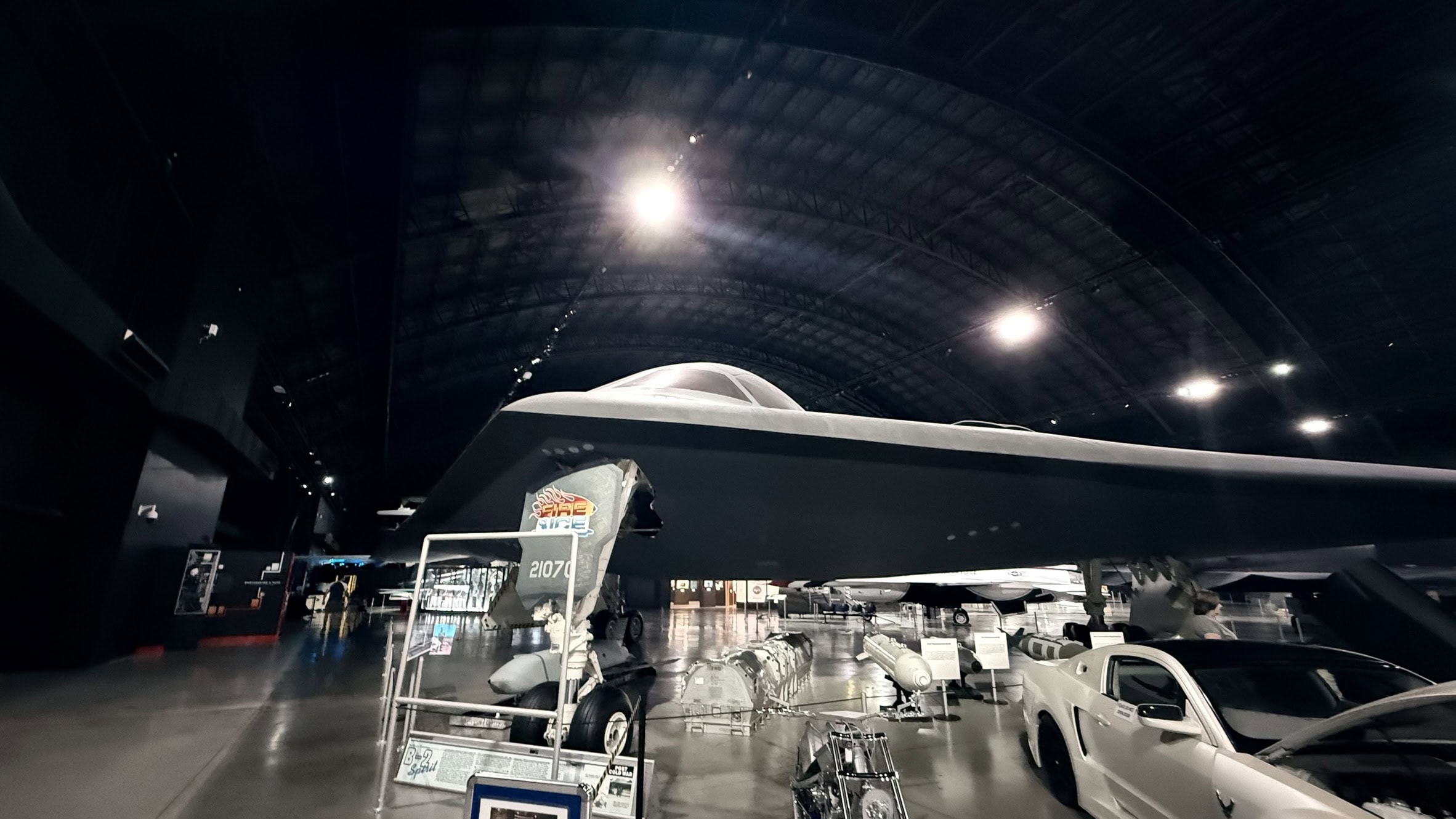
B-2 Spirit Bomber 19FortyFive Image from the National Museum of the U.S. Air Force
About the Author: Jack Buckby
Jack Buckby is a British researcher and analyst specializing in defense and national security, based in New York. His work focuses on military capability, procurement, and strategic competition, and he produces and edits analysis for policy and defense audiences. He brings extensive editorial experience, with a career output spanning over 1,000 articles at 19FortyFive, and has previously authored books and papers on extremism and deradicalization.