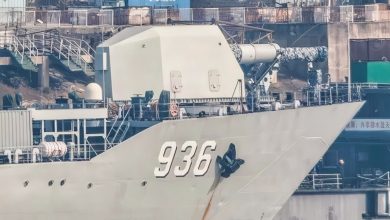
The Soviet Union Soft-Landed 8 Venera Spacecraft on the Surface of Venus Between 1970 and 1982, in 870 Degrees Fahrenheit and 92 Times Earth’s Atmospheric Pressure. The United States Has Never Landed on Venus Once.

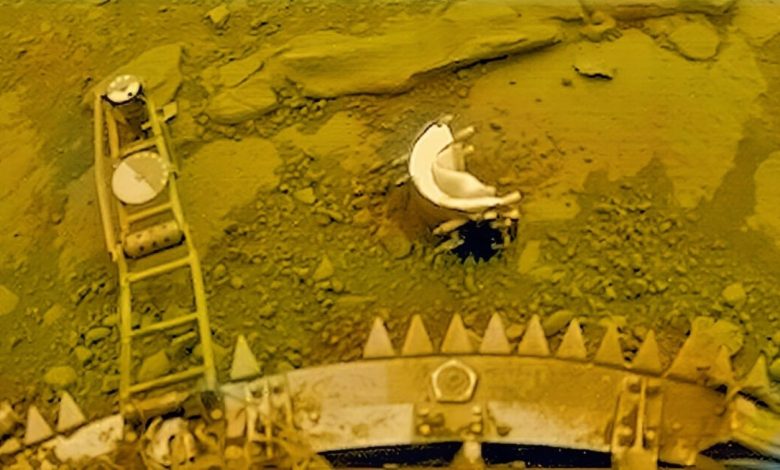
Summary and Key Points: The United States won the race to the Moon, has dominated Mars for fifty years, and has sent spacecraft out past the edge of the solar system. On Venus, it is a distant second to a country that no longer exists. Between December 1970 and March 1982, the Soviet Union soft-landed eight Venera spacecraft on the Venusian surface and got data back from every one — through 870 degrees Fahrenheit, roughly 92 times Earth’s sea-level atmospheric pressure, an atmosphere of carbon dioxide, and clouds of sulfuric acid.
The Race for Venus?
The US won the Moon race, has dominated Mars exploration, and has sent spacecraft across the solar system and into interplanetary travel. Without question, the US is the dominant nation in space exploration. But with respect to Venus, Earth’s “sister planet,” the US is a distant second behind the Soviet Union.
Between 1970 and 1982, the Soviet Union successfully soft-landed 10 Venera spacecraft on Venus, transmitting data from what is arguably the most hostile planetary surface ever directly explored—with temperatures around 870 degrees Fahrenheit, atmospheric pressure roughly 92 times Earth’s sea-level pressure, an atmosphere composed mostly of carbon dioxide, and clouds of sulfuric acid.
Despite the inhospitable environment, Soviet landers photographed the surface, analyzed rocks and soil, measured atmospheric conditions, and returned color panoramas that are still impressive today, decades later.
The US, meanwhile, has never achieved a successful, purpose-built soft landing on Venus, a fact that stands in stark contrast to the accepted Cold War space narrative that the US won outright.
NASA Space Shuttle Atlantis Exhibit at the Kennedy Space Center. 19ForytFive Image by Harry J. Kazianis.
Humble Beginnings
Early efforts to explore Venus went poorly.
Beginning in the early 1960s, when the USSR launched a series of Venus missions, failure became the norm.
Part of the problem was that scientists underestimated just how harsh the Venusian environment was.
Beneath the sulfuric clouds, Venus wasn’t just humid or hot—it was a planet that had experienced a runaway greenhouse effect resulting in surface conditions capable of destroying ordinary spacecraft electronics near-instantly.
Venera 4, for example, entered the atmosphere in 1967—and even returned atmospheric measurements—but was crushed before reaching the surface.
Subsequent probes gradually revealed to the Soviets just how challenging the engineering requirements would be for operating on the planet’s surface.
The Soviets doubled down, however, despite the challenge, opting essentially to just build tougher spacecraft.
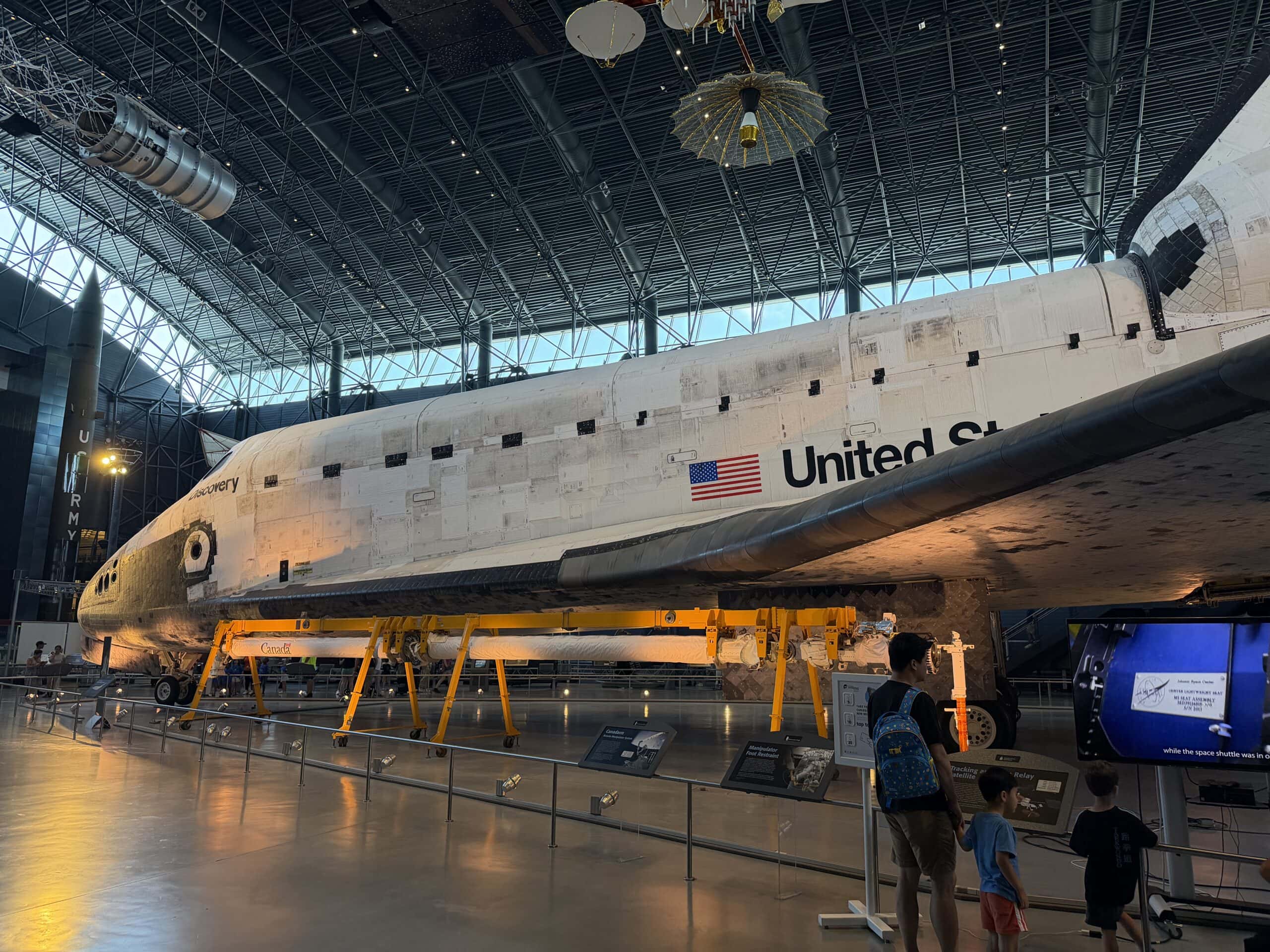
NASA Space Shuttle Discover. Smithsonian Visit Photo by 19FortyFive.com
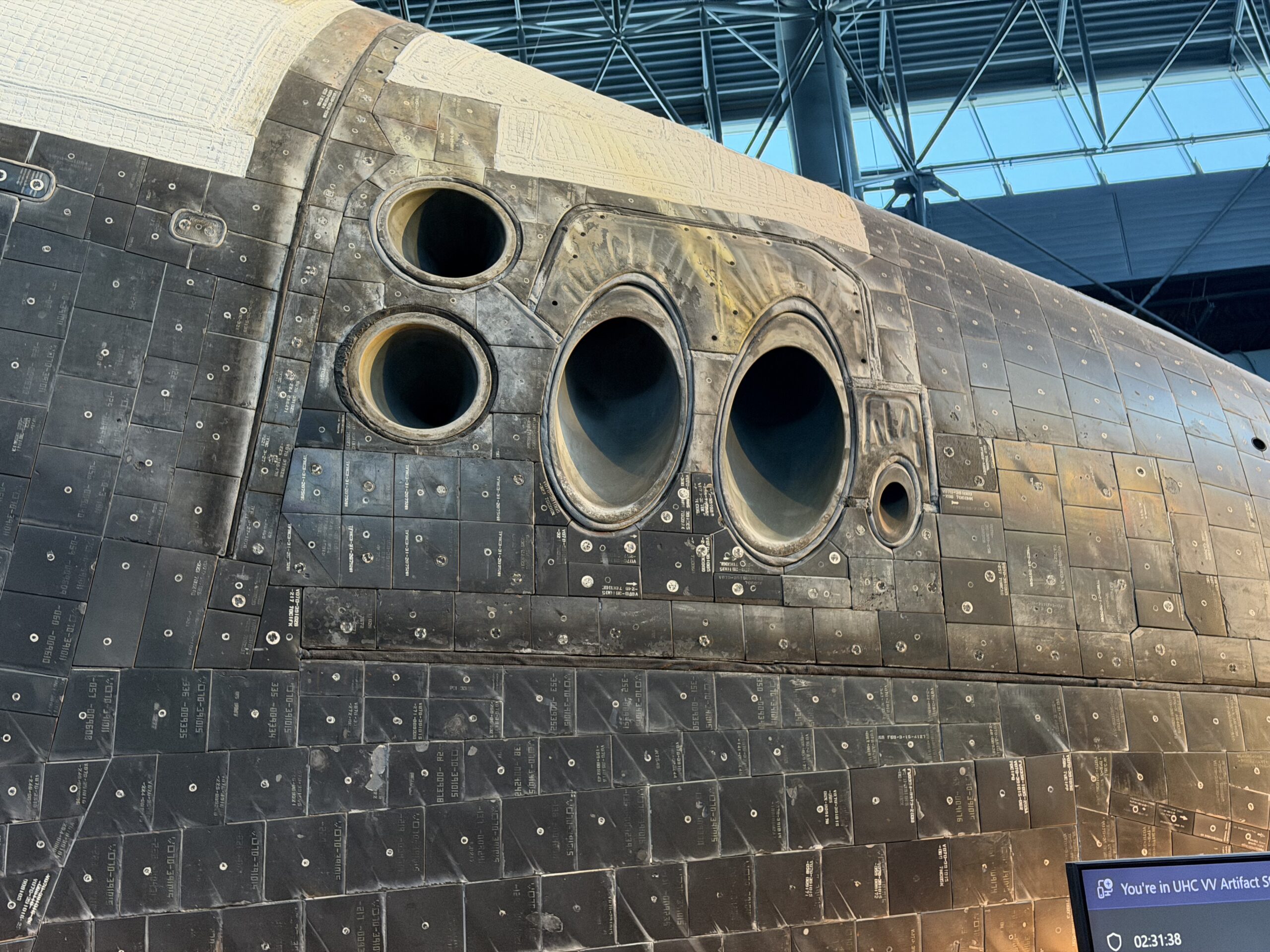
NASA Space Shuttle Discovery. Smithsonian Visit Photo by 19FortyFive.com
Brute Force Engineering
Crafting a successful Venus lander was difficult because it had to survive two very different environments.
First, during atmospheric entry, the lander had to handle enormous deceleration, aerodynamic heating, and a descent through a thick atmosphere.
Then, on the ground, the lander faced an entirely different set of challenges: 92 bars of pressure (comparable to being 3,000 feet underwater on Earth) and temperatures near 900 degrees.
Accordingly, Soviet engineers developed heavily insulated, pressure-resistant landers. These were essentially robotic deep-sea vessels, but built to explore another planet rather than the ocean floor.
Inside the spacecraft, components needed protection in robust pressure vessels.
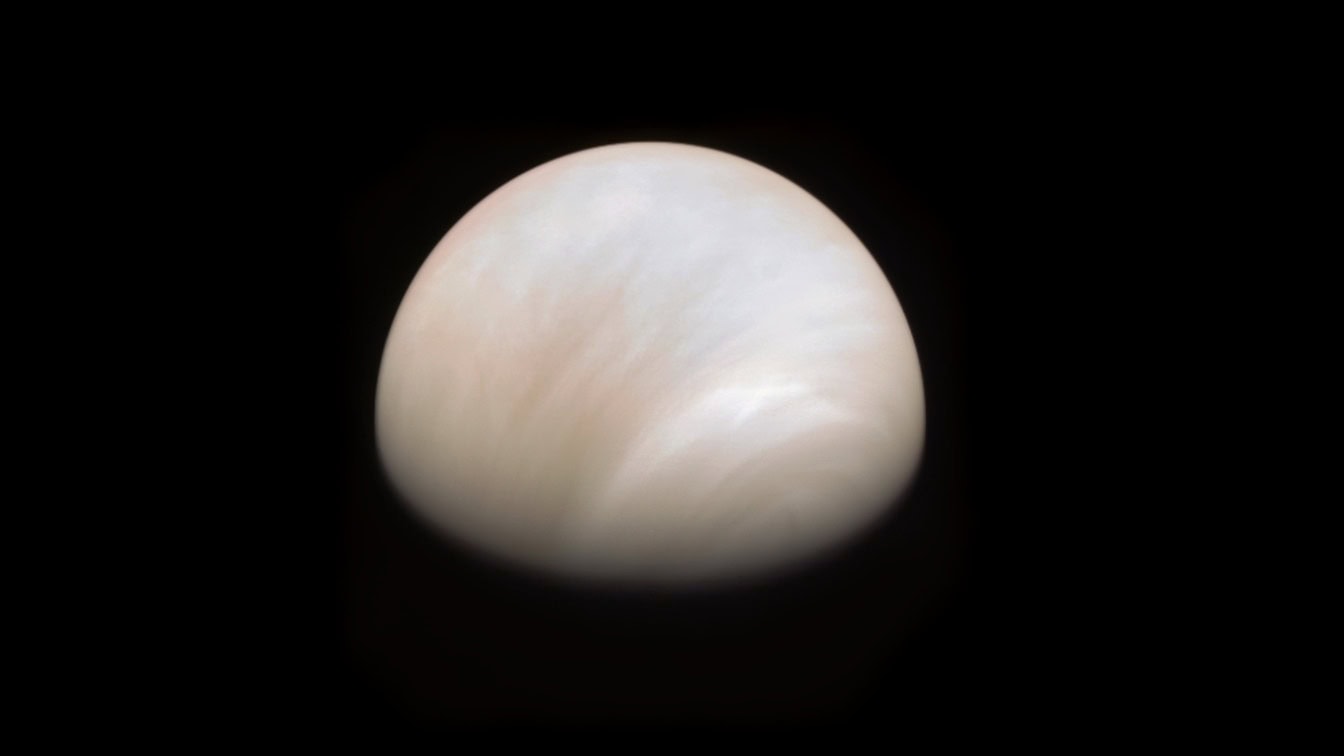
Venus. Creative Commons Image.
Thermal management was obviously critical, as surface temperatures could rapidly cook the spacecraft.
And these harms were accepted.
The objective was never to craft a spacecraft capable of surviving indefinitely.
The engineers set forth merely to buy a few extra minutes, so that the instruments could work and transmit before succumbing to the heat and pressure.
The Breakthrough
The breakthrough came in December 1970, when Venera 7 became the first spacecraft to successfully soft-land on another planet and transmit data from its surface.
The landing didn’t go perfectly—the parachute had problems, and the lander hit much harder than planned—but the spacecraft survived.
For 23 minutes, Venera 7 returned a weak signal from Venus’s surface.
This proved a spacecraft could operate from the surface, which inspired the Soviets to pursue future iterations.
American Reluctance
Soviet accomplishment on Venus raises questions about America’s relative apathy towards the sister planet.
Why didn’t the US follow? NASA, of course, had the capacity to reach Venus—the Mariner 2 spacecraft reached Venus in 1962, marking humankind’s first successful planetary encounter by any spacecraft.
But American priorities (and dollars) were committed elsewhere.
Mars, for example, offered much greater prospects for long-duration surface science and, importantly, the search for life beyond Earth.
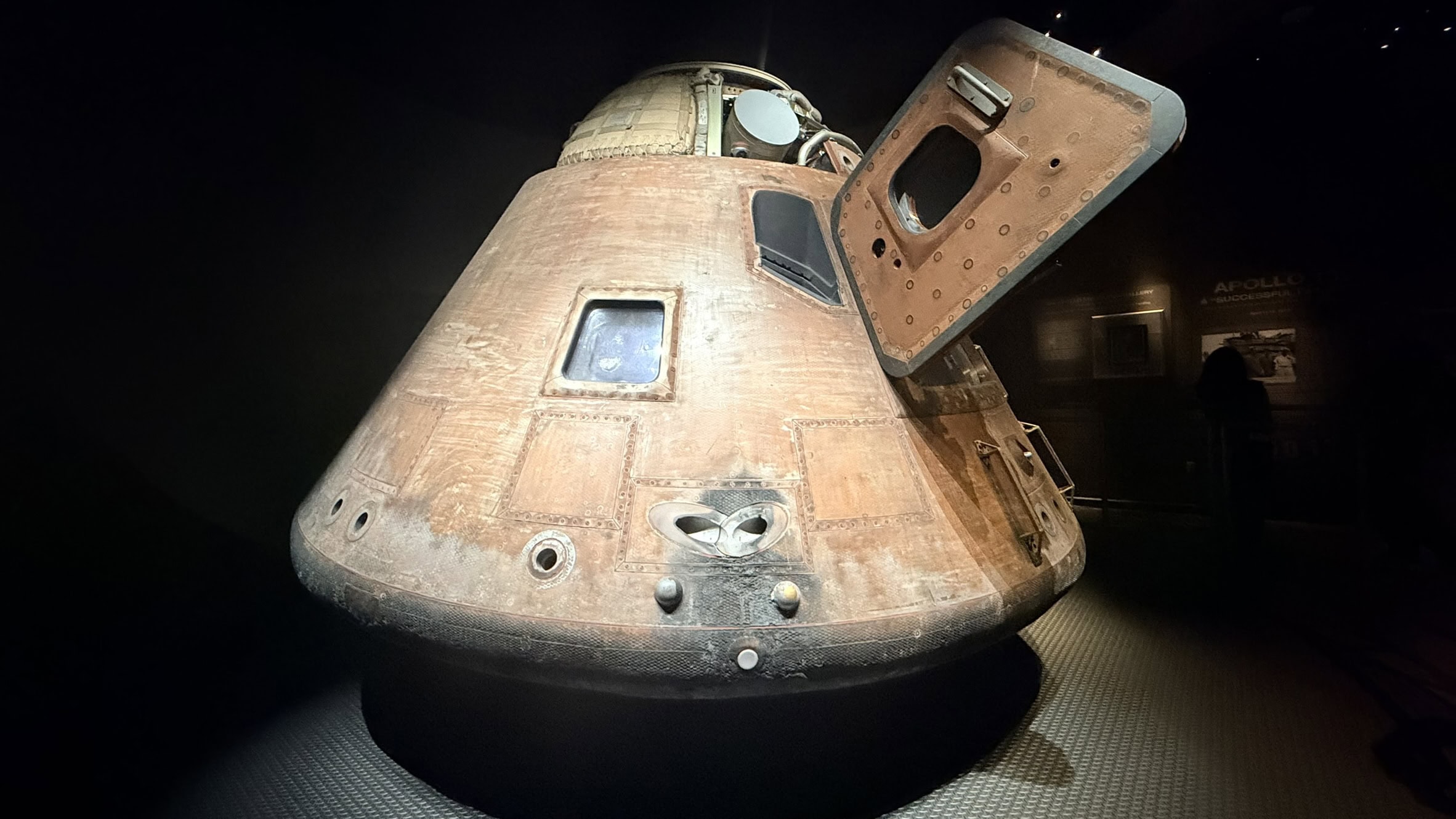
Apollo 11 Capsule. NASA Kennedy Space Center 19FortyFive Image Taken on June 28, 20226.
Still, NASA did send one exception to Venus: the Pioneer Venus Multiprobe, which sent four atmospheric probes to the planet in 1978.
The probes were designed principally to study the atmosphere during descent, not to function as soft landers.
Of course, Cold War prestige is mostly remembered through America’s achievements, i.e., Apollo, Viking, Voyager.
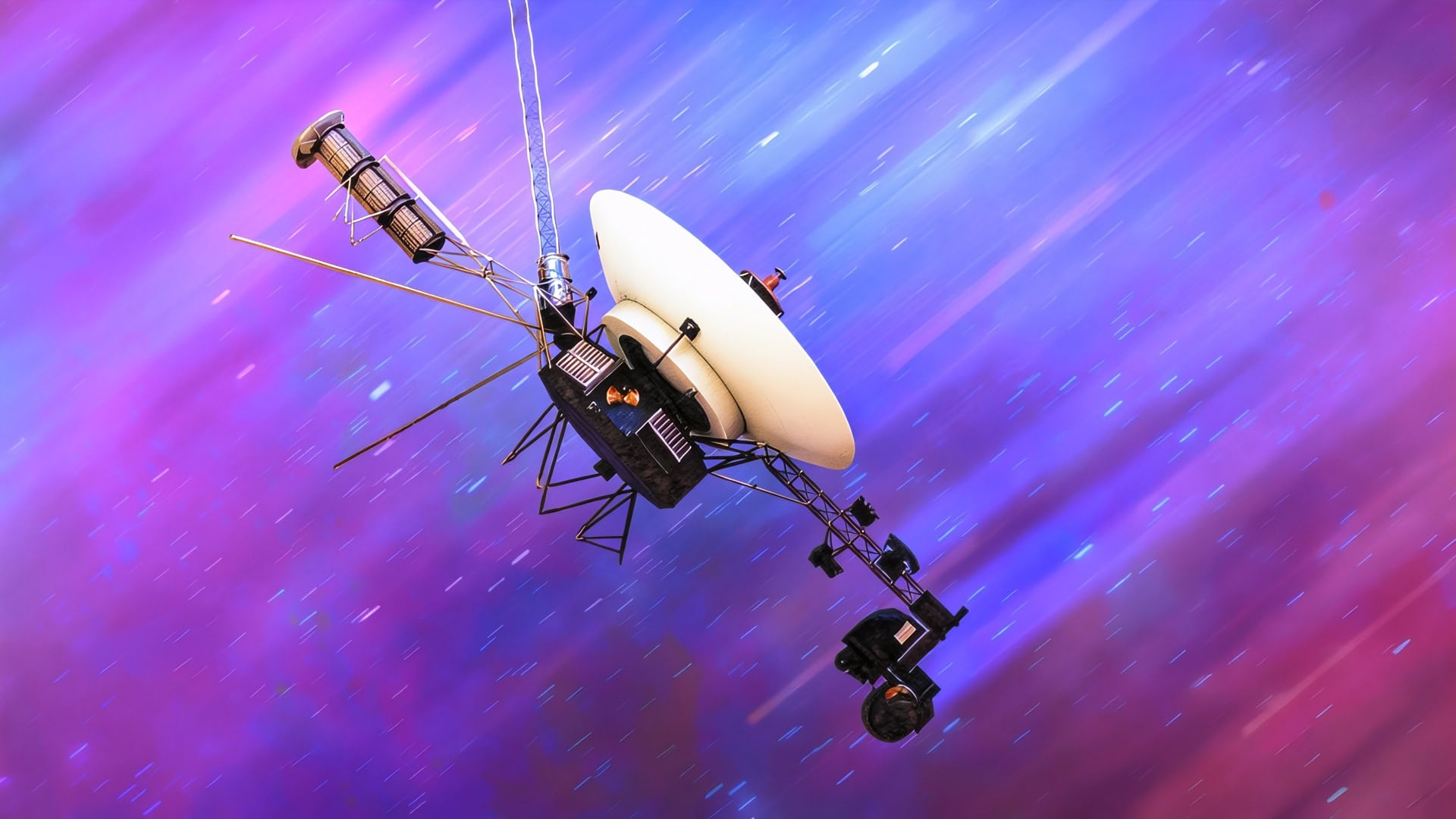
Voyager 2 Probe NASA Photo.
But the Soviet program also accumulated extraordinary firsts. And Venus was the USSR’s greatest planetary triumph.
About the Author: Harrison Kass
Harrison Kass is a writer and attorney focused on national security, technology, and political culture. His work has appeared in Tablet, City Journal, The Hill, The Spectator, and The Cipher Brief. He holds a JD from the University of Oregon and a master’s in Global & Joint Program Studies from NYU. More at harrisonkass.com.