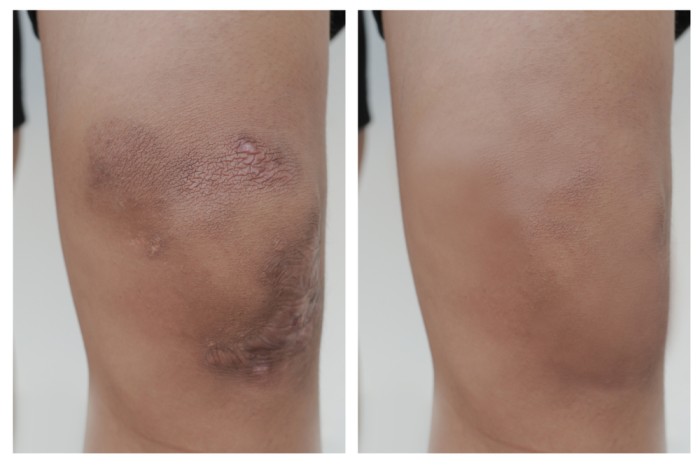
Long before anyone kept a cold pack in the freezer or had a pharmacy on speed dial, households relied on a handful of plants and a fair bit of ancient knowledge to get through a turned ankle or a deep purple bruise.
Grandmothers and farmhands alike knew how to crush arnica flowers, wrap a knee in a warm comfrey leaf, or soak a swollen wrist in salted water, and these habits got passed down the same way recipes do, by watching and doing rather than reading a label.
There is no need to treat these old remedies as magic, as some do today on the internet, and there is also no need to throw them out simply because they came before modern medicine. They were built on real observation, even if the science behind them was filled in much later, or in some cases is still being filled in today.

Today we will discuss these traditional supports that folks have used for centuries to handle bruises, sprains, and minor bone soreness. We will learn how to use them with a reasonable amount of caution, and where the line sits between a home remedy and an actual medical situation.
Keep in mind that none of this is meant to replace a doctor’s judgment, but plenty of these methods still hold up as gentle, low-risk ways to ease discomfort while your body does the real work of healing. I’m not encouraging you to pick natural remedies over modern medicine, but I do advise you to keep an open mind.
The Long History Behind These Remedies
Bruise and sprain care goes back further than most people realize. Ancient Greek and Roman texts mention plant poultices for swelling, and traditional Chinese medicine has its own long list of herbal wraps for soft tissue injuries.
European folk medicine leaned heavily on a small group of plants that grew almost everywhere, which made them practical rather than exotic. Arnica montana, a yellow flowering plant native to the mountains of Europe, became one of the most trusted names in this tradition, partly because it was abundant in alpine regions where farming and herding injuries were common.
Comfrey followed a similar path. It grows like a weed in damp soil across much of Europe and parts of Asia, and its old nickname, Knitbone, gives away exactly what people believed it could do. Whether or not it truly knits bone the way the name suggests, the plant earned its place in nearly every old apothecary cabinet.
These remedies were not chosen at random and were chosen because they worked well enough, often enough, that people kept reaching for them generation after generation.
Arnica: The Old Standby for Bruises
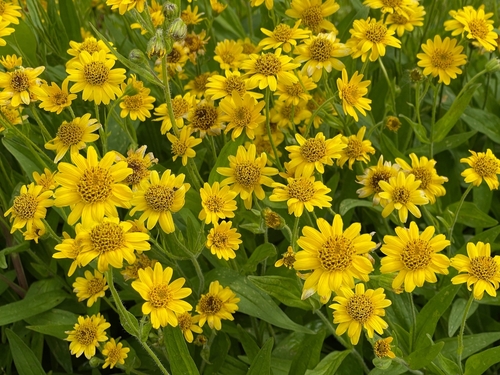
Arnica is probably the single most recognized name in traditional bruise care, and it still shows up in modern pharmacies as gels, creams, and homeopathic pellets. The flower contains compounds believed to reduce localized swelling and ease the ache that comes with a fresh bruise. Traditionally, the dried flowers were steeped to make a tincture, which was then dabbed onto unbroken skin over the bruised area a few times a day.
A word of caution matters here because Arnica is meant for topical use on skin that is intact. Taken internally in concentrated form, or applied to open wounds, it can cause irritation or worse, so the rule has always been to keep it on the surface and away from cuts. People with sensitive skin sometimes notice redness or a mild rash, which usually means it is time to stop and try something gentler. Pregnant women and those with known allergies to ragweed or daisies, since arnica belongs to the same plant family, should check with a doctor before using it at all.
In practice, arnica works best applied as soon as possible after the injury, then reapplied two or three times daily for the first few days while the bruise is darkest. Many people layer it with cold therapy in the first 24 hours, then switch to gentle warmth once the initial swelling has gone down.
Comfrey Poultices for Sprains and Soreness
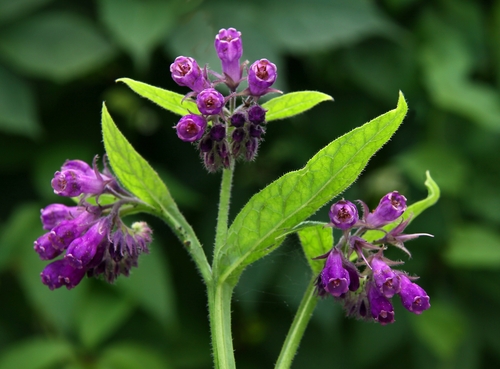
Comfrey has a reputation that goes back centuries, and the poultice method is probably its most famous use. To make one the old way, fresh comfrey leaves were crushed or boiled briefly to soften them, then wrapped in a thin cloth and pressed against the sore joint or muscle while still warm. The warmth itself helps relax tight tissue, and the plant compounds were believed to support faster repair of the area underneath.
There is a real caution with comfrey that anyone trying this should know. The plant contains pyrrolizidine alkaloids, which can be hard on the liver if absorbed in any meaningful quantity, particularly through broken skin or if ingested.
For this reason, I advise you to use comfrey only externally, only on unbroken skin, and never for extended stretches of time without a break. Many herbalists today recommend limiting use to short courses, perhaps ten days at a stretch, followed by a rest period, rather than constant daily application for weeks on end.
Despite that caution, a comfrey poultice applied a couple of times a day for a mild ankle roll or a stiff shoulder is a method that has stood the test of time for a reason. The warmth, the gentle pressure, and the ritual of wrapping the joint all play a part in how it helps, separate from whatever the plant chemistry is doing underneath.
Witch Hazel, Epsom Salt, and Other Old Favorites
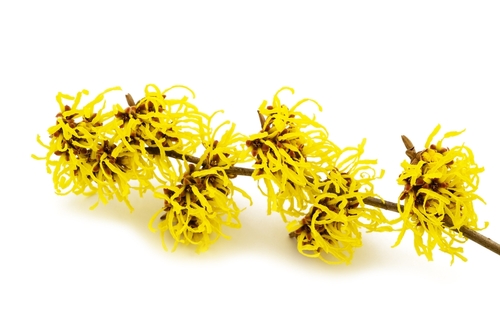
Arnica and comfrey tend to get the most attention, but they were never the only tools in the old medicine chest. Witch hazel, distilled from the bark and leaves of a shrub native to North America, has long been dabbed onto bruises and minor swelling thanks to its astringent properties, which seem to tighten tissue and calm inflammation at the surface level.
Epsom salt soaks are another staple that has barely changed in over a hundred years. A warm bath with a few cups of Epsom salt dissolved in it is still recommended by plenty of physical therapists today, not because the magnesium sulfate gets absorbed in any dramatic way through skin, but because warm water itself loosens stiff muscles and the ritual of soaking encourages rest, which is half the battle with any soft tissue injury.
Ginger and turmeric pastes show up in a lot of Ayurvedic and South Asian traditions for similar reasons, valued for their warming and anti-inflammatory reputation. Cabbage leaf wraps, oddly enough, have their own following in parts of Eastern Europe for reducing swelling, and while it sounds unusual, the cold, broad leaf does provide a simple form of compression and cooling that mimics what a modern compress would do.
How to Use These Remedies Safely
The biggest mistake people make with traditional remedies is treating them as a free pass to skip basic caution. A few practical habits go a long way toward keeping things safe.
Always do a small patch test before applying any new herbal preparation broadly, especially arnica and comfrey, since skin sensitivity varies a lot from person to person.
Keep these remedies away from open cuts, broken skin, or areas with visible bleeding. They are designed for closed, intact skin over a bruise or strained joint.
Do not exceed the amount of time recommended for any single remedy, particularly comfrey, which carries real risk with prolonged or internal use.
Pair traditional remedies with the basics that still apply today, such as rest, gentle elevation, and avoiding heavy use of the injured area for the first day or two.
Stop immediately if you notice increased redness, blistering, itching, or any sign the skin is reacting badly rather than calming down.
As a forger and herbalist, I always tell people there is no need to choose between old remedies and common sense. The two work fine together, and most traditional practitioners from generations past would tell you the same thing if they were still around to ask.
Signs That Call for Real Medical Care
This is the part that matters most, and it is worth saying plainly. You’ve probably notice that a lot of folks on the internet recommend these remedies as the “sure thing” and they don’t bother to tell the downsides. Traditional remedies are suited to minor bruises, mild sprains, and general soreness, the kind of injury that improves steadily over a few days. They are not a substitute for medical evaluation when something more serious is going on.
A few warning signs should send you to a doctor or urgent care rather than to the herb cabinet. Severe pain that does not ease at all with rest, a joint that looks visibly out of place, an inability to bear any weight on a limb, numbness or tingling beyond the injury site, or swelling that keeps getting worse rather than better over 48 to 72 hours all point toward something beyond a simple bruise or sprain. A bruise that appears for no clear reason, especially if it is large or recurring, can sometimes signal a blood clotting issue and deserves a proper check rather than a guess.
Fractures in particular are easy to underestimate. A hairline crack in a bone can sometimes feel like a bad sprain at first, and the only reliable way to tell the difference is an X-ray. If there is any doubt about whether something is broken, it is far better to get imaging done than to wrap it in comfrey and hope for the best.
Children and older adults especially should be seen by a professional sooner rather than later, since their bones and tissue respond differently to injury than those of a healthy adult in their middle years.
Blending Old Wisdom With Modern Sense
The most sensible approach treats traditional remedies as part of a toolkit rather than the whole toolkit. Ice or a cold pack in the first day, gentle compression, elevation when practical, and rest still form the backbone of caring for a minor injury, and a swipe of arnica gel or a warm comfrey wrap can sit comfortably alongside those steps rather than instead of them.

Plenty of people today use both worlds without thinking twice about it. They will pop an over the counter pain reliever and also reach for the arnica gel sitting in the same medicine cabinet. There is nothing contradictory about that. The old remedies earned their reputation through long use and careful observation, even if they were never tested in the kind of clinical trial that modern medicine relies on now, and that gap in formal testing is exactly why they should be used as a complement to, rather than a replacement for, proper medical attention when an injury is serious.
My honest opinion
After more than two decades as a herbalist and experienced forager, I keep landing on the same conclusion. These old remedies survived for a reason, and dismissing them outright feels just as misguided as trusting them blindly.
Arnica and comfrey have earned their spot on the shelf through generations of people who paid attention to what helped and what did not, and that kind of accumulated experience deserves some respect even without a stack of clinical studies behind it.
That said, respect is not the same as blind trust. Use these remedies the way they were meant to be used, on minor bruises and mild strains, with reasonable patch testing and sensible limits on how long and how much.
The moment something feels more serious than a bruise should feel, or a sprain refuses to improve the way a sprain normally does, that is the moment to set the herbs aside and call a doctor. Old style care has its place, and so does a proper diagnosis. Knowing which one a situation calls for is really the whole skill worth learning.